We have grown up with the internet and have seen the huge impacts that technology has had on our lives.
What would you like to be doing that you are not doing within your work? This question was put to a series of designers who all seemed to give the same or similar answer. Simon Manchipp summed this up by suggesting that engaging with diverse clients and demands he is able to explore a wide range of processes and has the opportunity to develop interesting work. He goes further to suggest that within his team, people stay and are doing work that they find interesting and challenging. It is interesting to think of design as a series of problems that you are able to impart your own style and techniques onto. I guess this is why clients approach different studios, each has their own approach and style and will inevitably produce different outcomes to the same brief. Simon Winston claims that if he had to work in any other area than that of the Arts and Cultural sector he would rather go and watch trees grow. Despite the tranquility of this, Winston is giving an extreme scenario that suggests he is able to do work and explore a wide area of possibilities within his work and almost refuses to work in any other areas. He suggests that working in this sector is like being a part of it, influencing Art and Culture, or at least or perception and interaction with it. Sarah Boris presents a more interesting approach to this question. Boris suggests that she would like to test more materials and collaborate with other designers to gain a new perspective on projects. Winston and Manchipp, I’m would assume do this too within their studios however the working practice of Boris maybe requires her to seek out others to collaborate with. Is there something in the areas, workspace in that we work that can dictate our approach to a project? Tom Finn and Kristoffer Solling are able to collaborate and bounce ideas around on each project. Their approach and size of their studio enables them to work collaboratively and can dictate the approach a problem. Stefan Sagmeister and Jessica Walsh, as discussed last week, highlighted that their success could be due to their collaborative approach and the decision to keep the studio small.
This is my side hustle.
Side hustles, side projects, gig work have become buzzwords in recent years, with books and podcasts such as CTRL ALT DEL from Emma Gannon and Join up Dots by David Ralph talking us through the steps they have taken to develop their side hustles into their full-time work. Gannon is an advocate for this idea and tells the story of her process in becoming her own boss through side hustles or gig work. There has been some research that suggests that millennials have different priorities to that of our parents. Owning a house is not necessarily on the top of must haves. There are a number of factors in this but if we consider just one here, it is suggested that Millennials have a lack of respect for hierarchy and believe that they can do the jobs of their seniors just as well. Millennials have are said to be the result of bad parenting decisions, being told they can have anything, you can be whatever you want. We have grown up with the internet and have seen the huge impacts that technology has had on our lives. Gannon explores his ideas further in her book and suggests that Millenials, currently in their 30s are carving their own path and making themselves ‘unsackable’ by working harder and better than their peers. Gannon suggests that the art of the side hustle had been kicked into focus for her due to an unhappy work environment and the feeling of being trapt. This I think most people, myself included can relate to. she talks about owning your work and through other podcasts such as join up dots or eat sleep work repeat, I too have developed this mentality of wanting to take more ownership of my work and develop something for me. I think in part this is why I am undertaking this degree. At the moment this is my side hustle. Finn and Solling talked about a sub-folder in their server that was filled with projects they would like to undertake and that we have to carve out the time to indulge ourselves with this. I agree with Finn here, I have to really carve out and make time to complete my work for this degree, my side hustle. Gannon suggests that a side hustle can make you money, but it can also be something that adds value to your life or work. I think it is interesting to hear the difference in opinion from Simon Manchipp who suggests that he doesn’t necessarily have a side hustle as they all seem to feed into his work. Is it that Manchip is content with the diversity of his work, does this come with experience? or could you argue that Finn and Solling are like me, of an age where they are striving for more and have ideas that they would like to develop?
Until this point, I have taken a lot of time to research and read around a subject in the hope that I am able to find a solution rather than generate a solution though investigation and conscious design decisions.
Mind the Gap, my skills and areas that I wish to develop. Without any serious consideration, I immediately knew where I wanted to take this idea this week. I aim to continue my development and carve out a working style, pattern that revolves lesson on the digital and more on the handmade and made. I believe that there is a trend in some designs I see online that the digital is the first and only process undertaken. Design inspiration posts on Instagram seem to showcase designs that have a heavy influence of digital process, filters and the such. This result is some really visually appealing work and I do admire it, but for me, I am more interested in using the digital as a tool to bring ideas together. I say this but I believe my practice purely depends on the digital and I am not engaging with the things I wish I could. This week, I aim to do just that. To produce something that focuses less on the use of digital and encourages me to design and make something that is brought around through the exploration of models, sketches and materials. I have, to some degree been using pen and paper more in my practice since I have started this course. This has been a conscious effort to get ideas down on paper and try to explore options. Until this point, I have taken a lot of time to research and read around a subject in the hope that I am able to find a solution rather than generate a solution though investigation and conscious design decisions. The oblique strategies present an interesting view of the development of an idea and actively encourage different ways of thinking. While I have started to focus more on the design process and outcomes this last two weeks I can down adopt these strategies into my work to present a range of iterations and more thought out, sophisticated ideas. The oblique strategies, first developed by Brian Eno and Peter Schmidt as a response to help artists, particularly musicians get over, around, through their creative block. Eno studied at art school and claims that spending three years making art was better than going out and ‘getting a job’ he actively promotes the idea of not getting a job, but making your own way, doing the things that you want to do. This view is echoed through the podcasts and books discussed above by Gannon and Ralph. It is the mentality of the artist to develop something new, to be innovative in some way. This could be the way we work, the outcomes we present but I believe that creatives have an inner desire to present ideas that can change. This could be peoples minds, change viewpoints, or as Michael Bierut suggests in his book: How To, can we change the world. It is fair to say that Artists, Designers, and creatives have changed the word, influenced culture and carved paths in history that have changed peoples view or working life. I am not sure If I am there yet, not so confident that I am able to change the world or way people work but, never say never. I guess some of the greatest minds and inventions were the result of investigation and exploration.
This week then, I need to focus. It seems that I can become easily distracted by this process of writing and I am enjoying it. It is something that I did not think I would but I have. Here I go again. waffling on. This week, looking at my skills and gaps, as suggested above I would like to focus on the handmade and not use the digital as my only resource. As a result of this thinking, I began once again thinking about circles. I am going round and round. I say I want to do something and then find a way of not. I plan for the handmade but then result in the digital. While at college and university I was encouraged to make things and explore ideas with mark making, scanning in ideas and taking photographs of obscure objects. Maybe it is the designers I find the most influential that has sparked this obsession. Erik Spiekermann, Neville Brody, David Carson, Micheal Bierut. I guess you could suggest that these icons of design are the originals, the last of a breed, the ones who learned their trade (less so with Carson) of the printed and then developed their skills and understanding of design in the digital. We see that Spiekermann is returning to his apprenticeship of the printing press and producing work that is guided by the limitations of his medium. It is too easy he suggests getting lost in your ideas when working digitally. Everything is there at your fingertips and the parameters are too wide. David Carson famously admits that he is not a designer by choice but by accident. He developed his work and style through the exploration of the software that was available to him. It is almost the ideas he has but the uncertainty of the possibilities that define Carsons work. This whole Idea of the handmade and my obsession with printed material goes back to my first experiences of art classes and given the opportunity to explore an idea without any real sense of where it will take me. I will take this approach this week and aim to present work that is focused on the handmade and that enabled me to explore materials and processes. With the guidance of a graph or a visual representation of my skills and the gaps, this is my starting point. Initial ideas were to use circles, as I feel I am going around and around in search for a way of working by doing the same thing and expecting change. Now I can break the mold and do something different.


I thought about how I would make this. I wanted to print it, so where do I start?
To look at other examples of graphs in Pinterest seemed a little too obvious but I as began to scroll through I soon decided that this would only lead me down the path of designing something rather than making and designing. I had seen some examples that required a little input from strips of paper or cutting shapes but this didn’t really get me fired up and inspire me for skills gap I wanted to fill. I needed to start in the same way, Pen and paper. A mind map or some sketches seem to be my starting point and I think that I am happy with this, I can’t break out of this habit. I feel it is the best way for me to start any work, gives me the opportunity to explore a range of options. I had already written down a few ideas but then decided to start sketching, drawing ideas onto this mind map. I had written a few things down but seemed to be going back to this idea of circled. Concentric circles, as I believed I was ground around and around, these circles then started to wabble, to deviate from the center as if I was maybe trying to branch out of a routine. These drawings started to look like trees and the rings inside. I was at a point where I began to reflect on where do I go now. I can continue this idea and develop a graph, or graphical representation of my work through these circles. I took a break from this work and while I was out I started to notice patterns, ether interlocking or repeated patterns, this made me think even more about what I had started. I seem to have become interested in the patterns and shapes in the graphs and the repeated patterns. I do like the idea of designing repeats for the use in textiles.

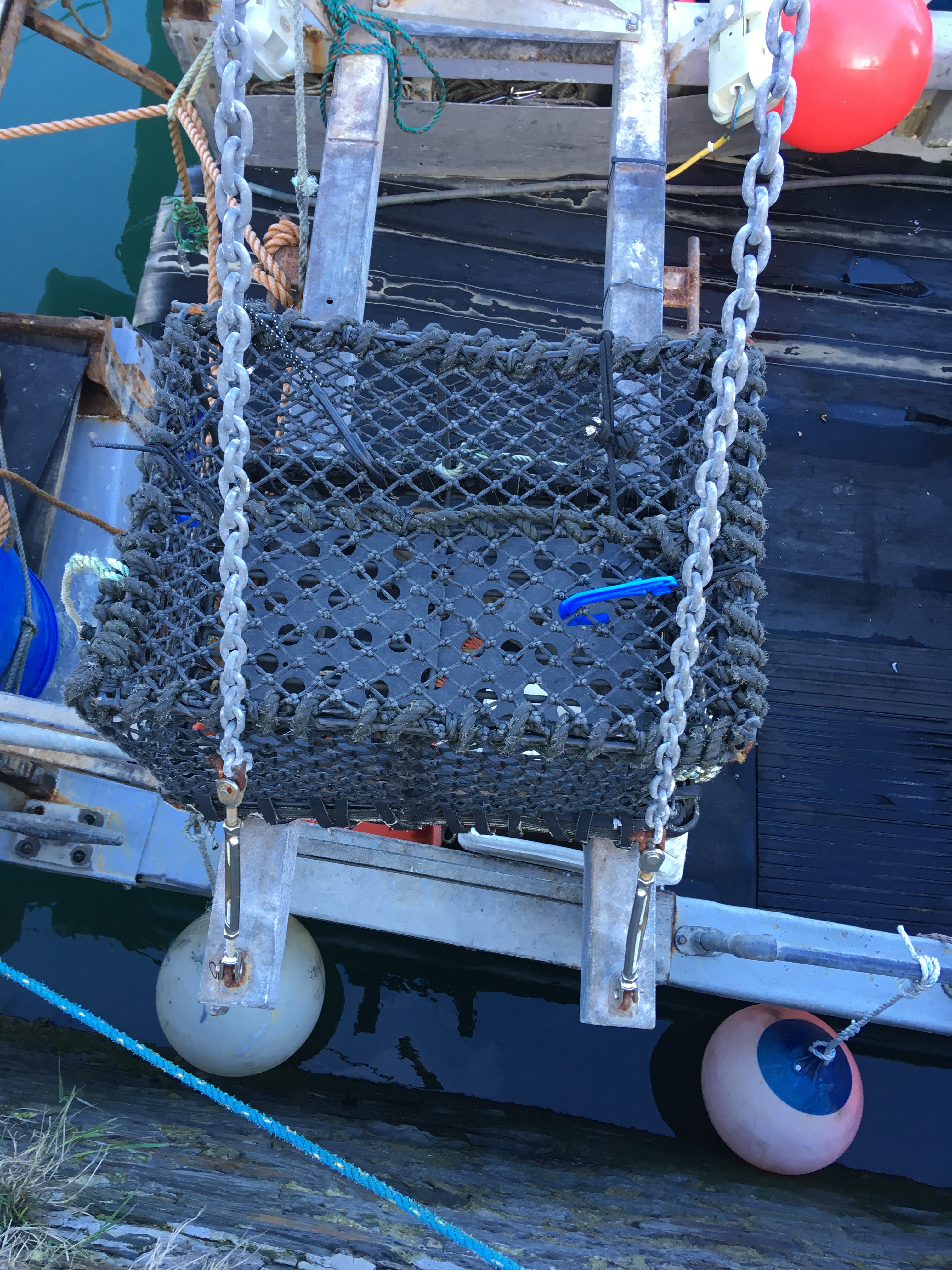


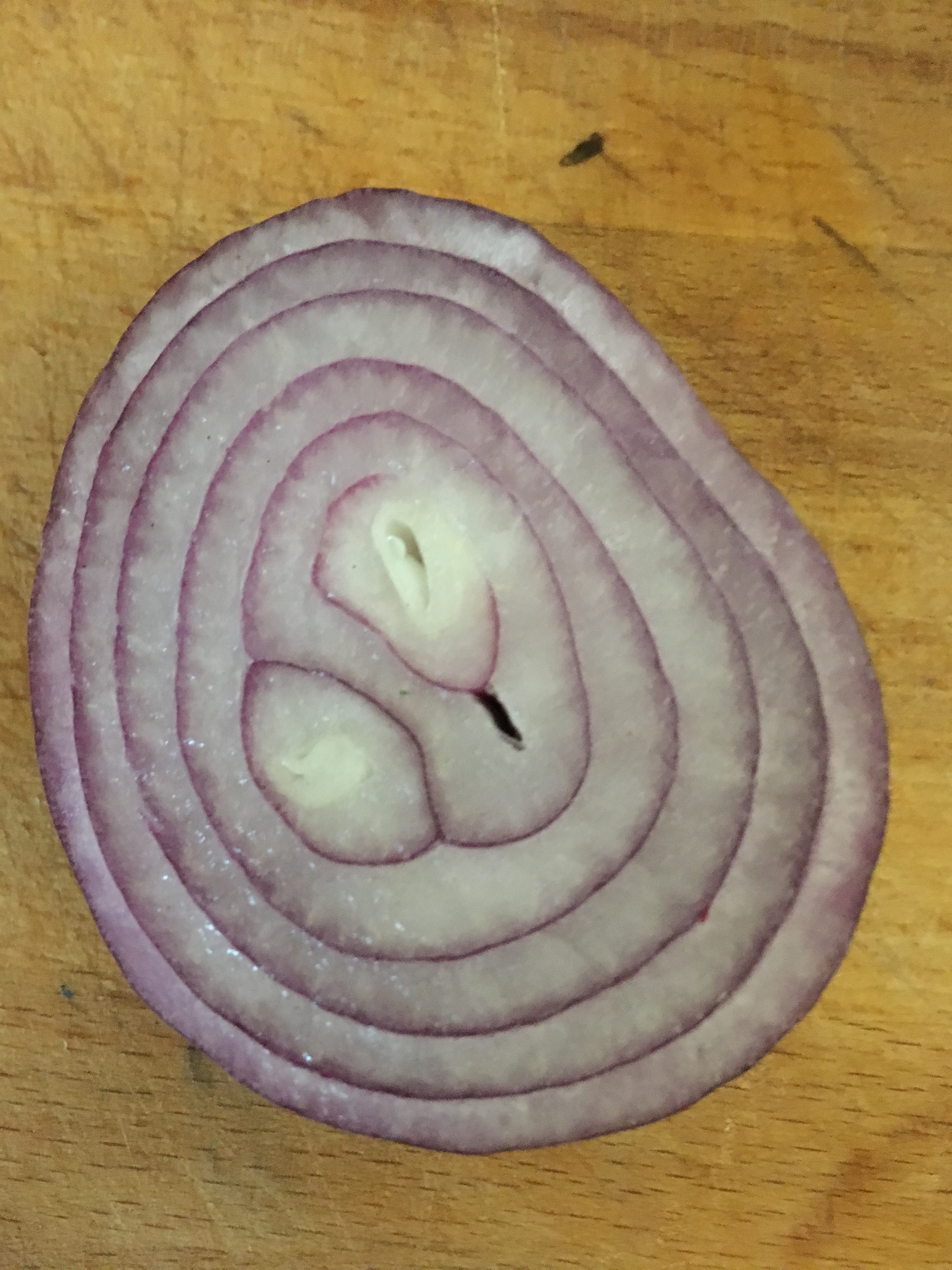
I thought about how I would make this week’s outcome and immediately wanted to print it, screen print that is. So where do I start? I aimed to draw a series of patterns and planned out a visual representation of this idea. Going in circles, trying to break out. However I began to question this further, is this still within my routine, do I do this and not follow it through. Not this time I have to explore this idea and keep going until I feel I have exhausted it. No more thinking about diversifying at this stage I needed to focus on my intentions and see how it goes. While I don’t have a final outcome in mind I do like this idea of on concentric circles and like the illustration/pattern that has come out of it.

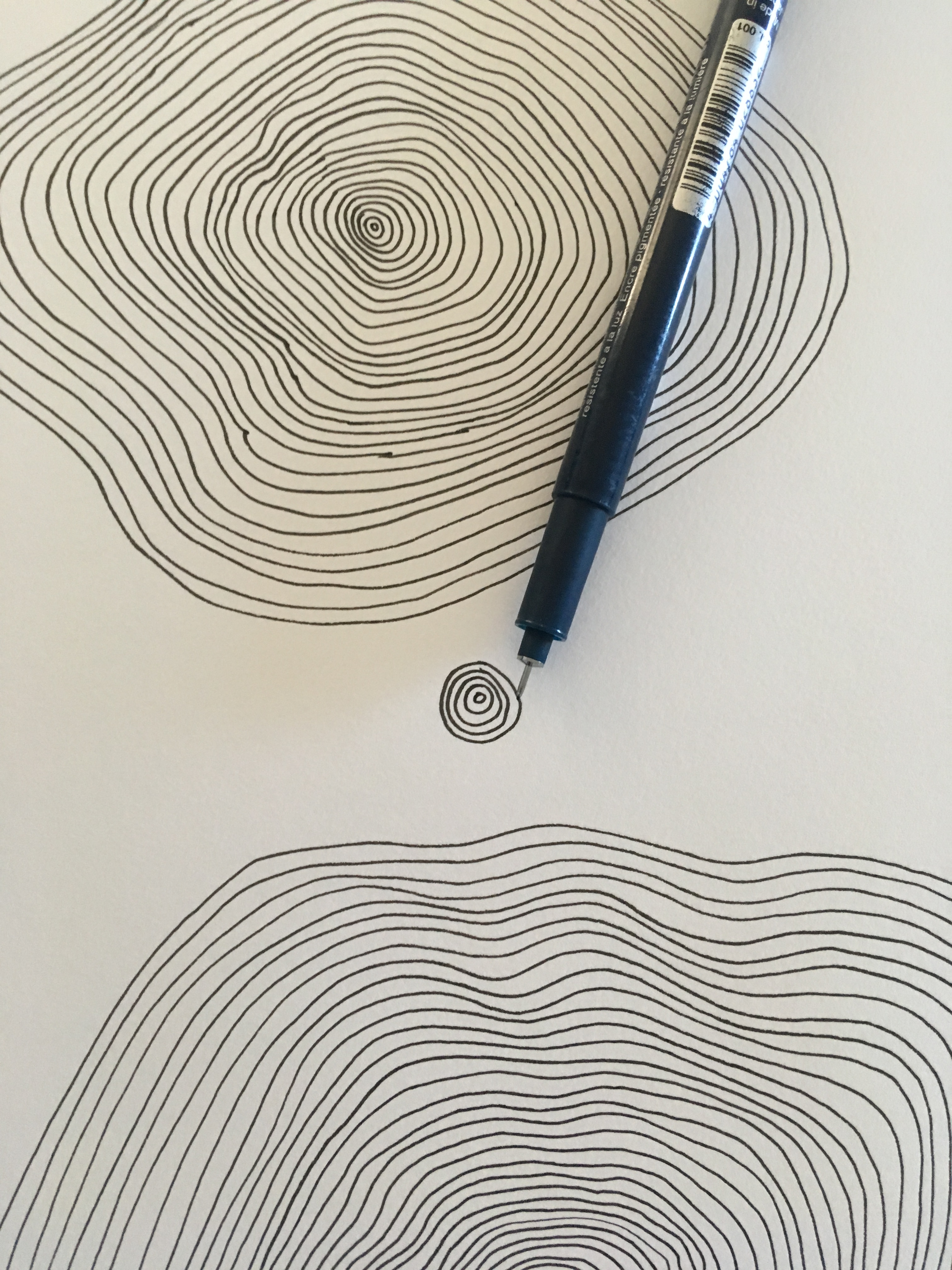

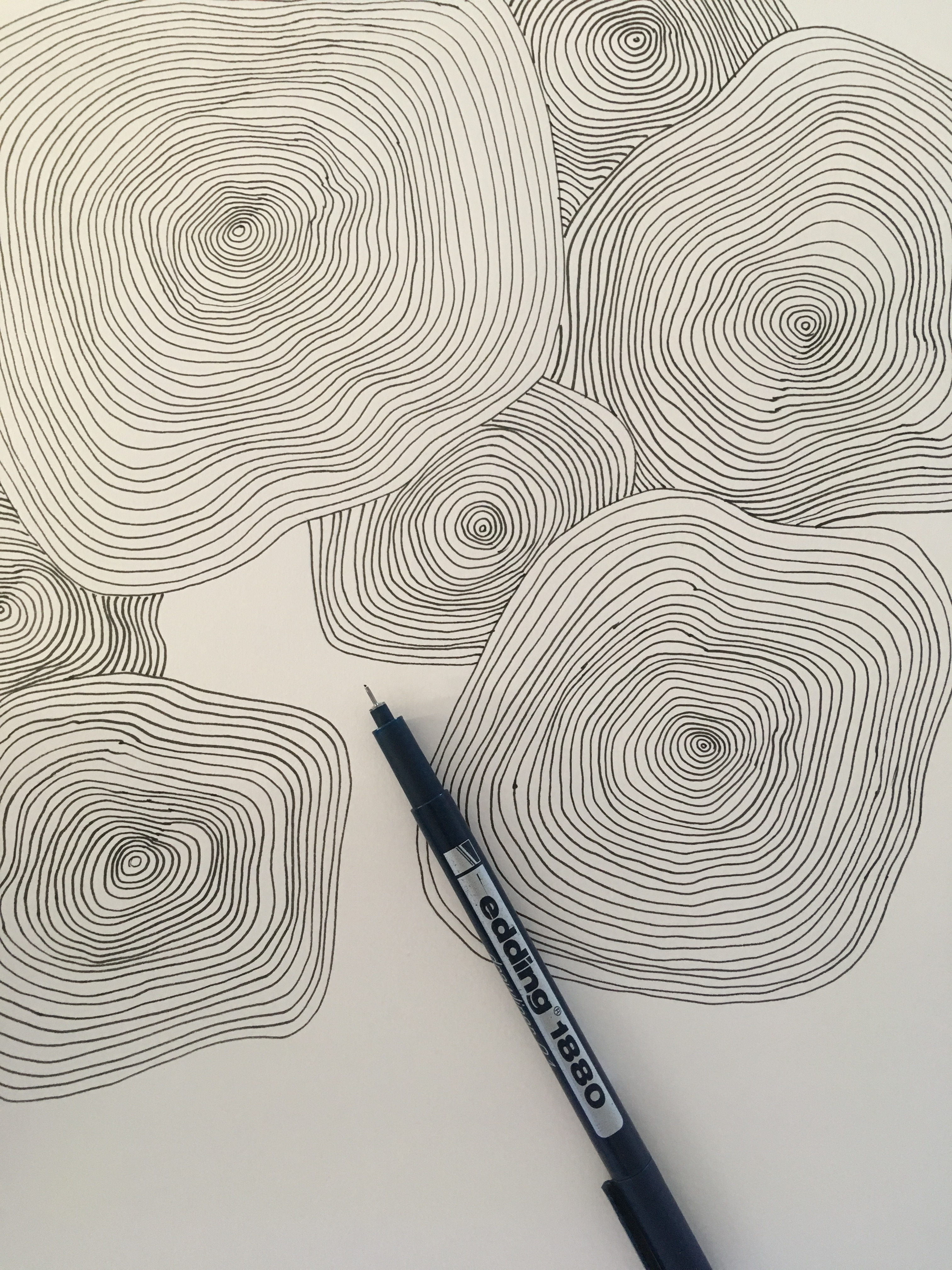
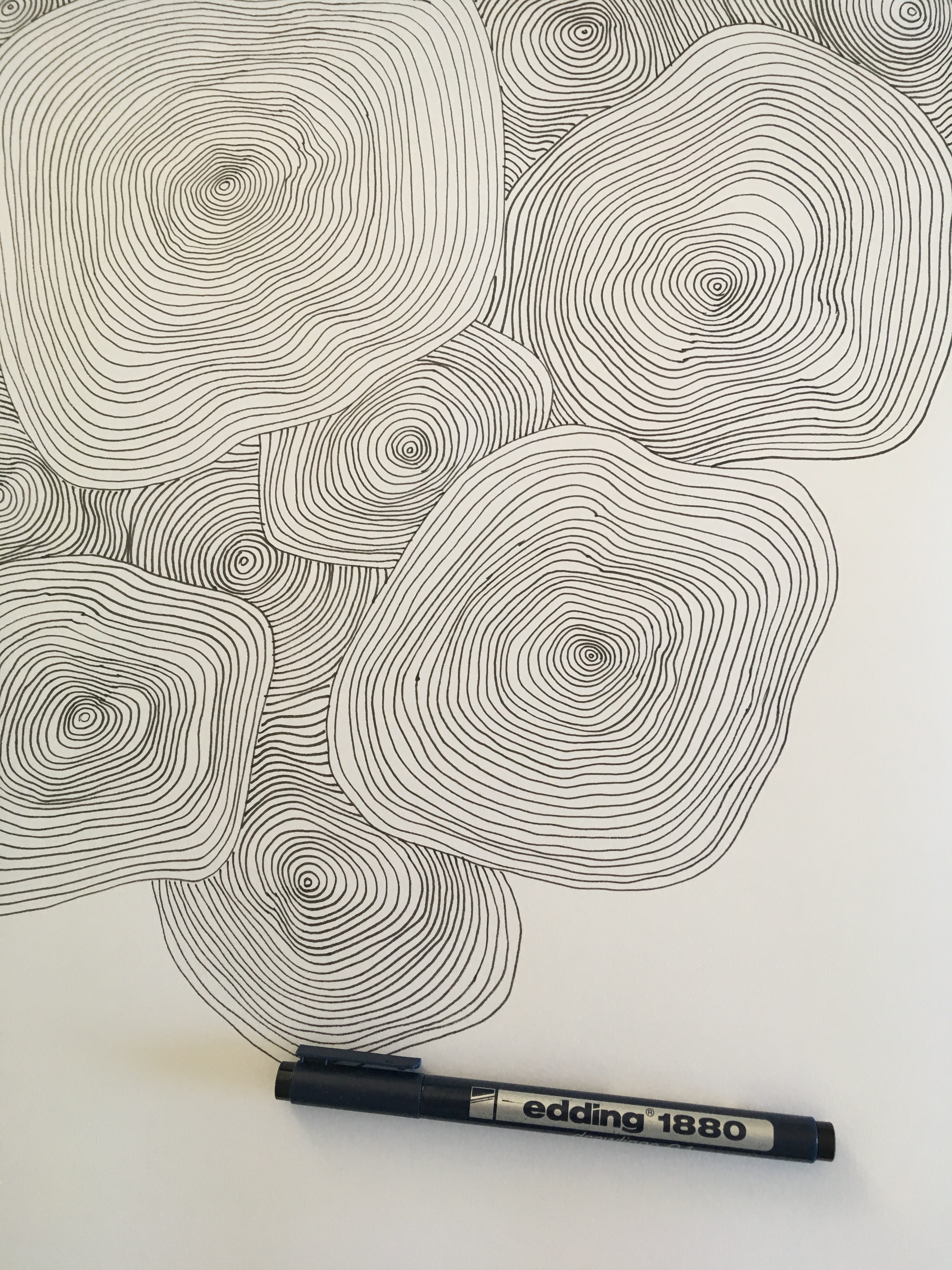
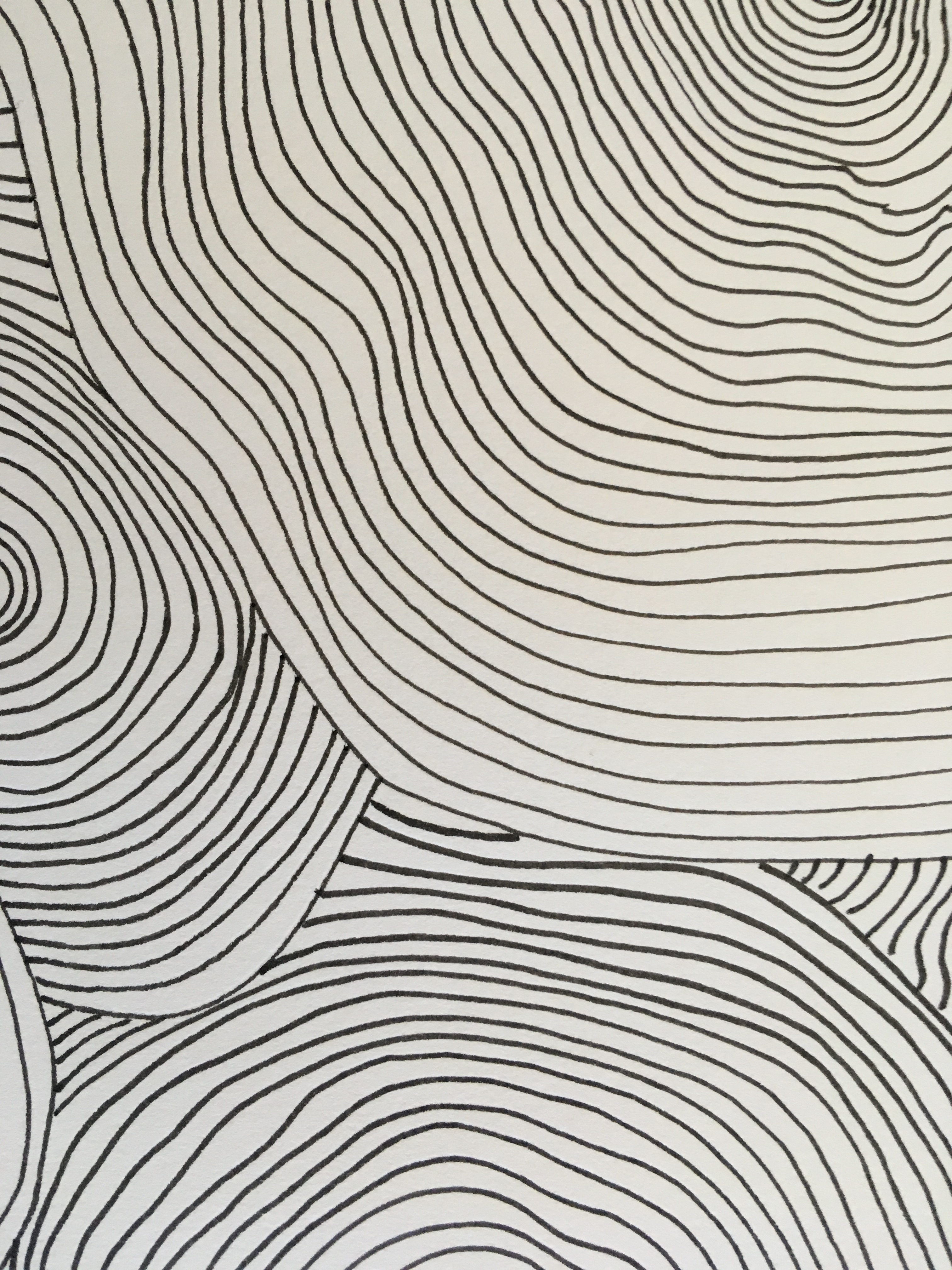
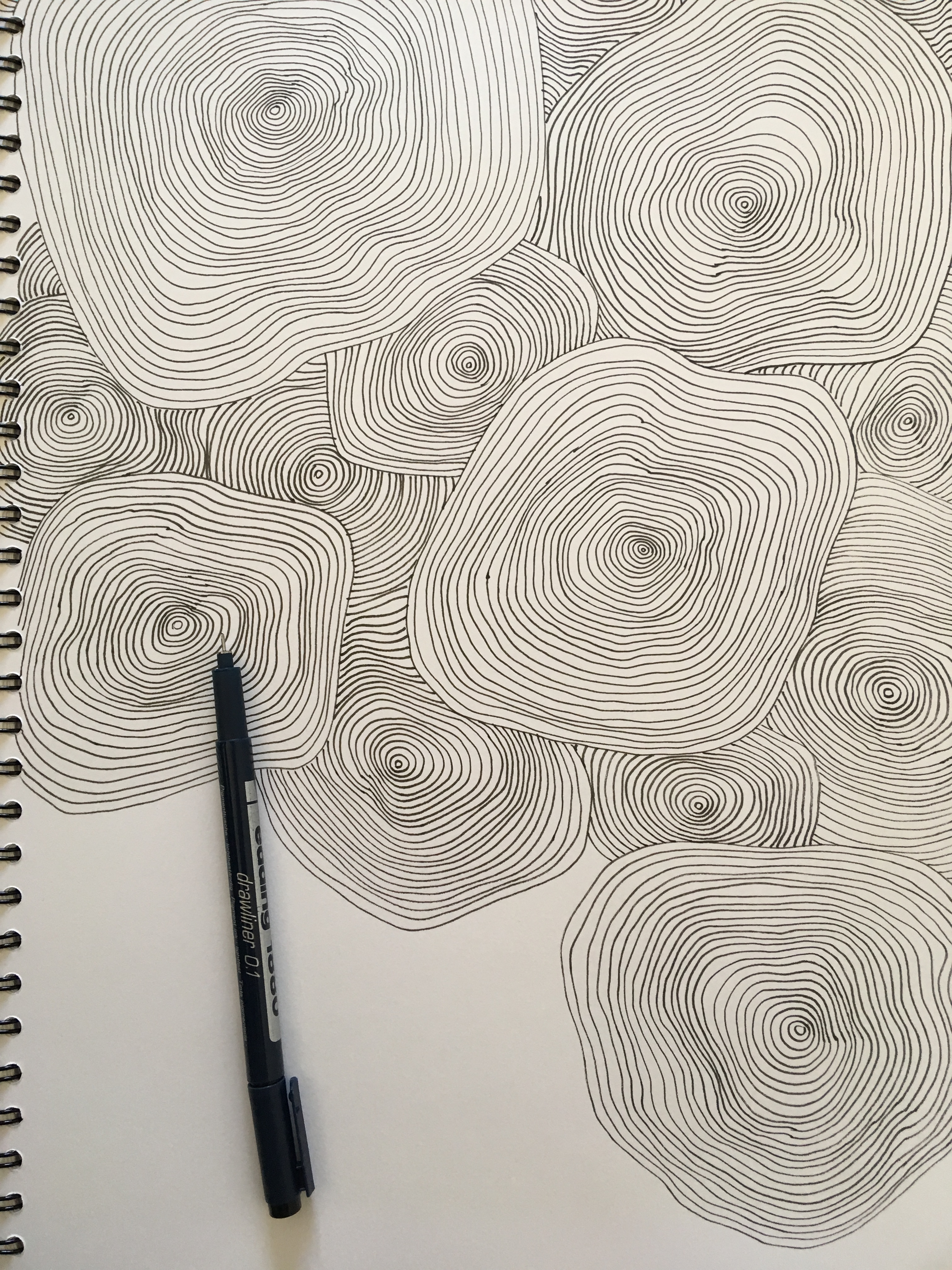
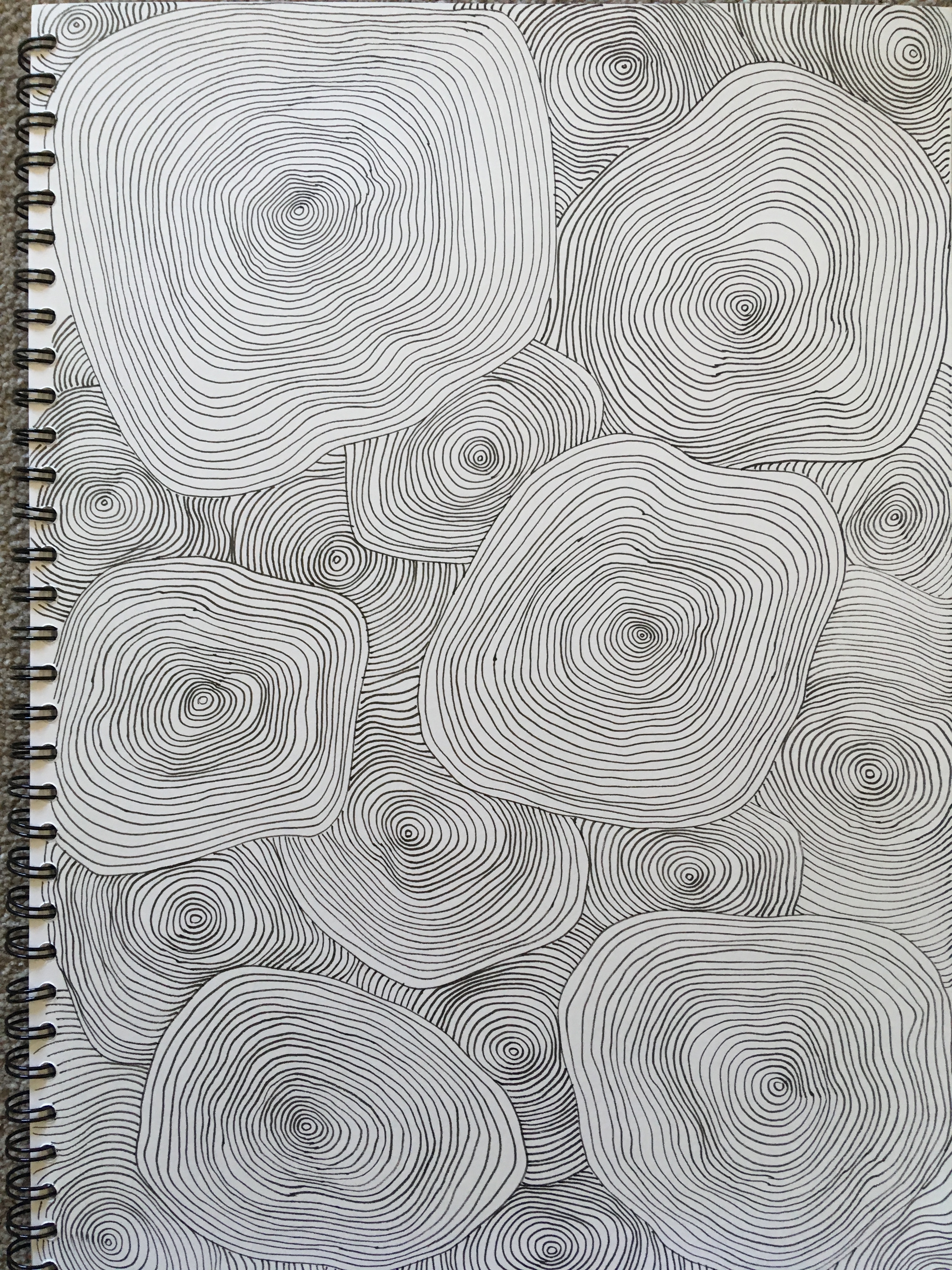
I really enjoyed, despite being slightly tedious at points his illustration. I did not feel the pressure to make it ‘perfect’ I was able to just go with it and hope that my pen did not run out. (it made it, but only just) This has been a strange process so far, I almost had an idea of what I wanted to do and then I am now left with what to do with it. In its current state, It does not represent a graph or shows the skills areas that I wish to develop. I have been thinking about this and went back to my pen and paper, what if I printed the circles with a border and then added type and lines to the circles that show my areas for development. Only one slight issue. I would end up using illustrator. That’s fine though right, it’s just a tool, I am not basing my whole design around it and trying to do something crazy, I just want to be able to print clean straight lines with some type.


Harry Beck and the London tube station anyone? The arrows or skills indicators started to look little like tube lines but I think that once I start to build the whole image It should look better. Before I could scan in my illustration I was too excited and started to play around with the photograph and took it into illustrator. Yes, I broke the rule here but in a way, I am happy I did. I now know I don’t want the lines with the annotation, I just want the circles and I think that layering up the colour when printing will give add more depth to the image. The lines with annotation seem to spoil the image and I did not feel that they added anything to the ‘graph’. I have screen printed the illustration with some success but I still need to add more of a graphic element and improve on my skills overall.


In some ways I am a little wiser for these experiments, I now know what I don’t want my graph (in its loose sense) to look like. I found that I liked this layering up of the image. I turned the opacity down after a live trace of the image. The layering of the colours made me think of the CMYK or RGB colour processes. My interest in traditional type is fueling this week’s work and am enjoying experimenting with something that I have been able to draw by hand. I do think that at some point I will need to develop a digital element and I am now thinking that this would be okay. The nostalgia of printed type or the printing press the designs that have a little texture and aren’t so clean and precise, that’s what I like. As I wrote that I thought, well no I do like the clean and precise but I think mixing this with something that has genuine texture and is more than a PSD layer. From my drawings of circles, I end up going around in circles drawing circles. I took the opportunity to explore other printing techniques and made a simple linocut print. An enjoyable process for sure but I am not so sure that It will add any real value to this journey of discovering my skills gap.
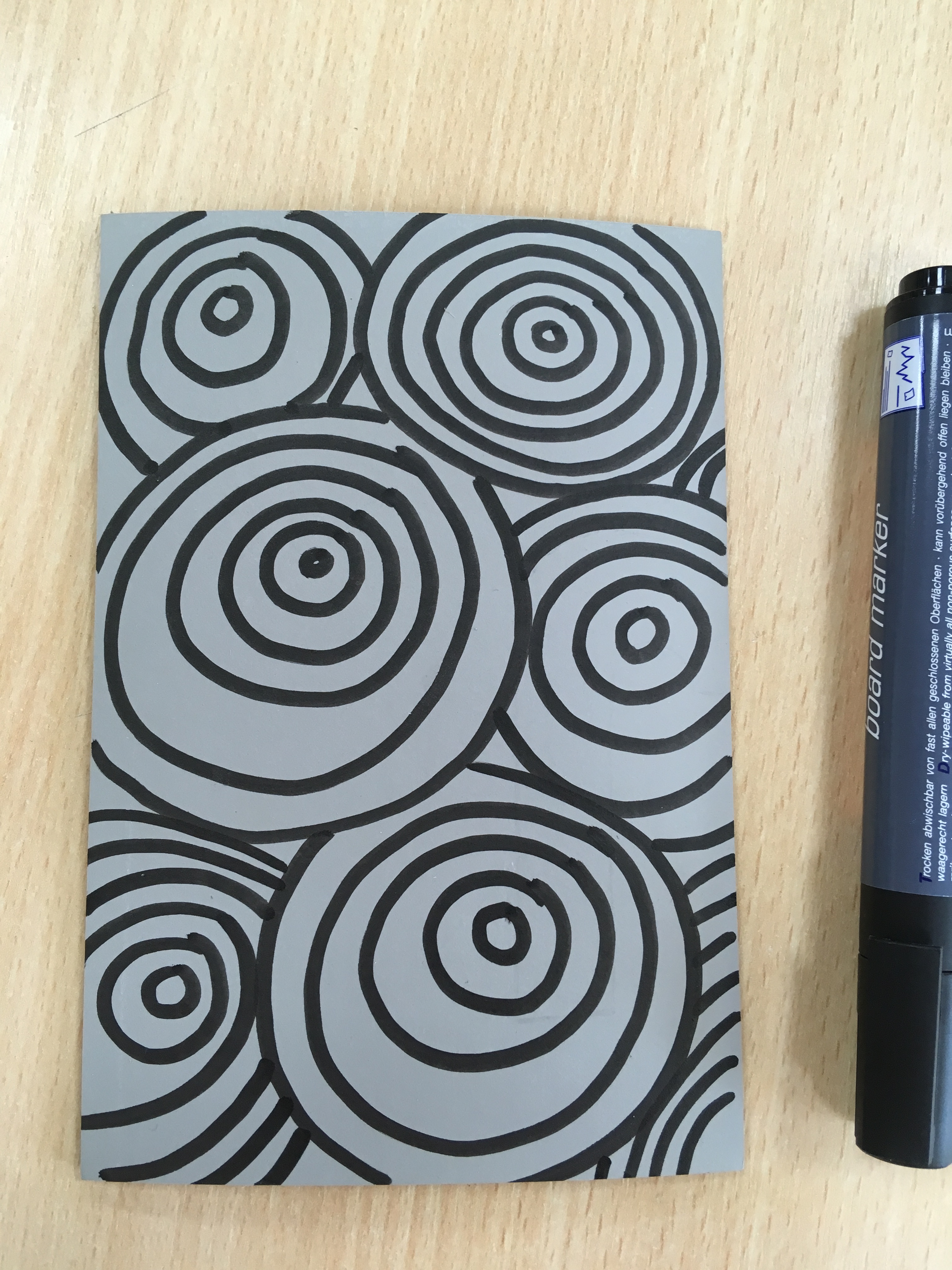


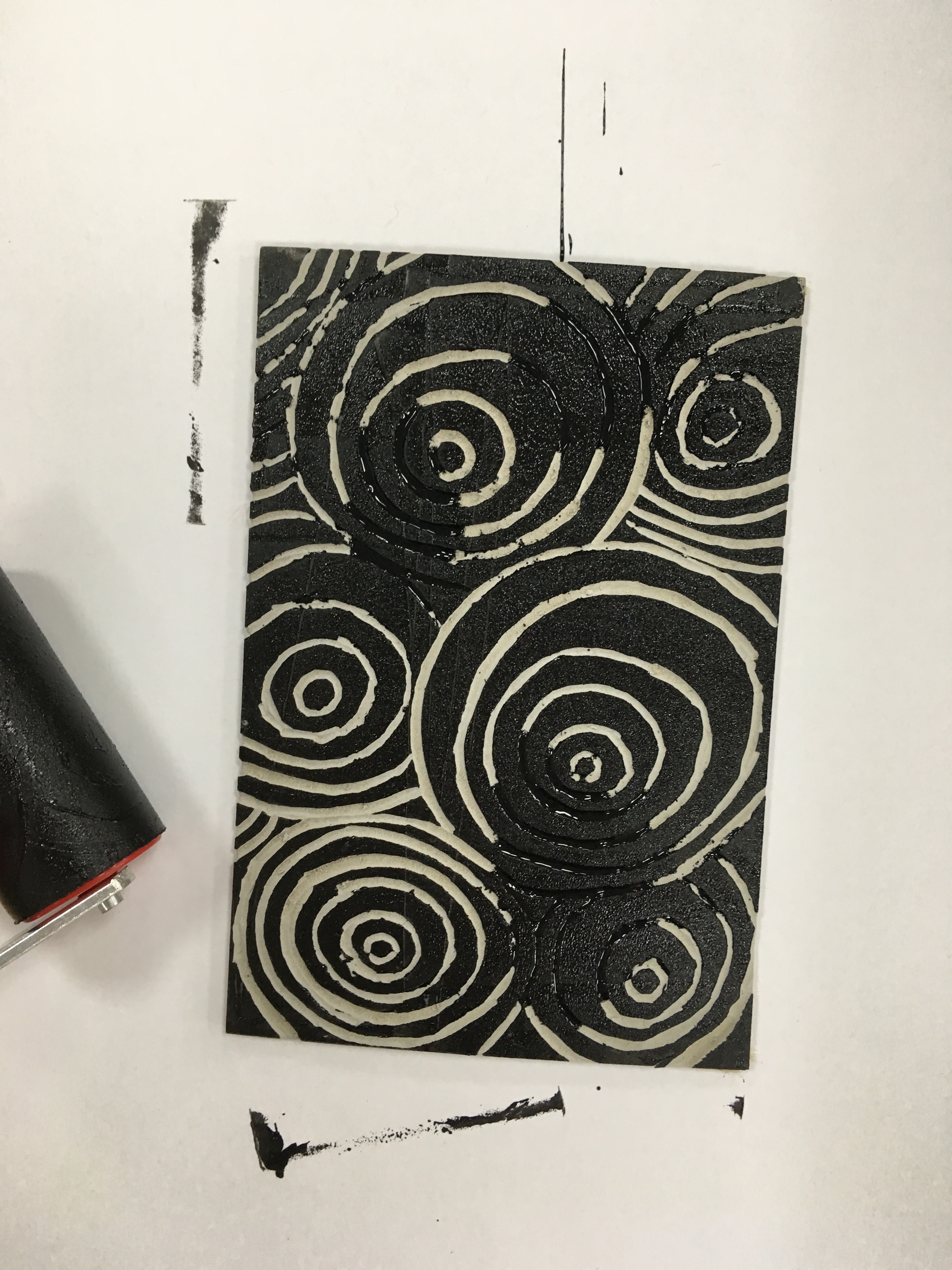
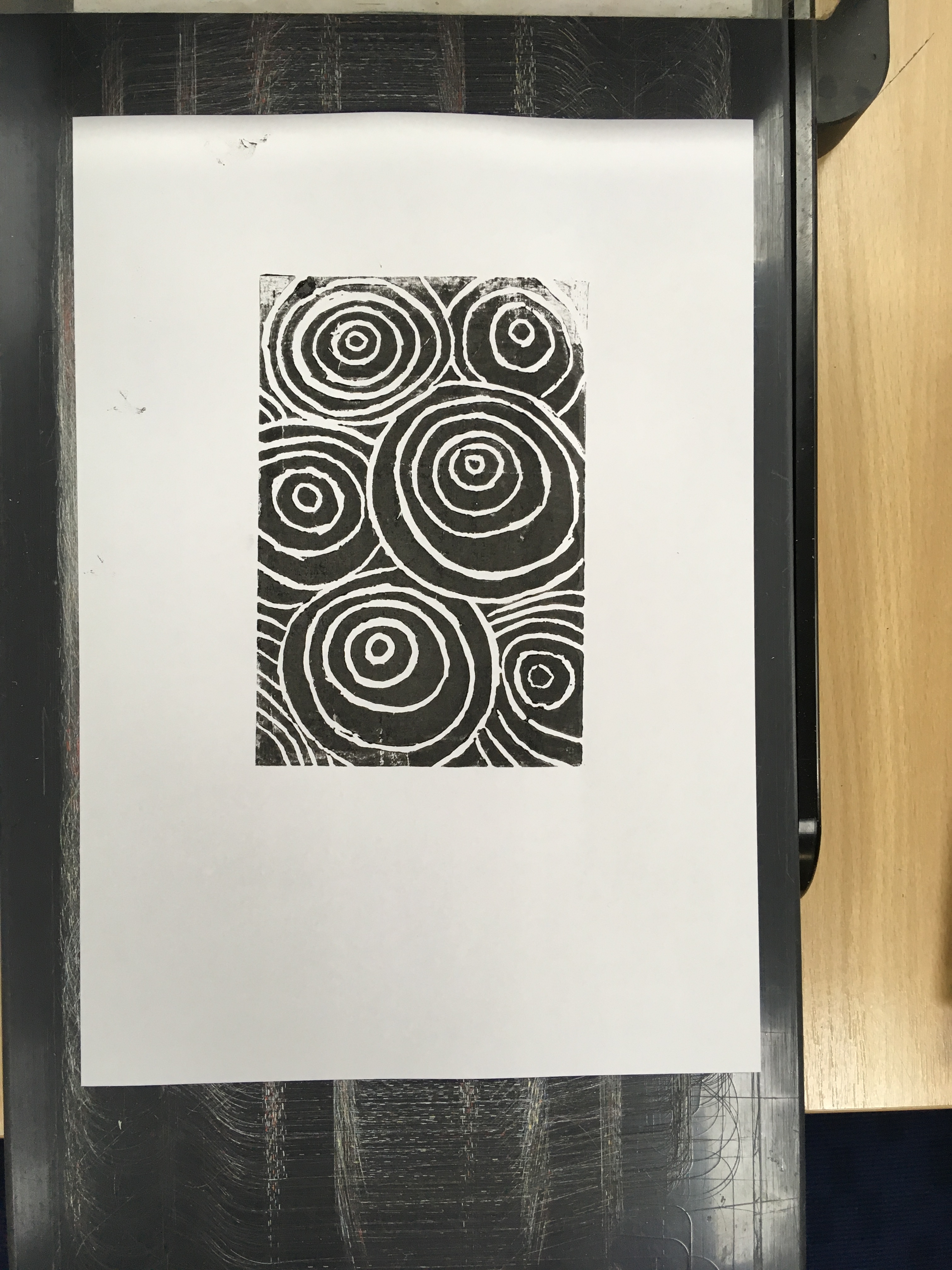
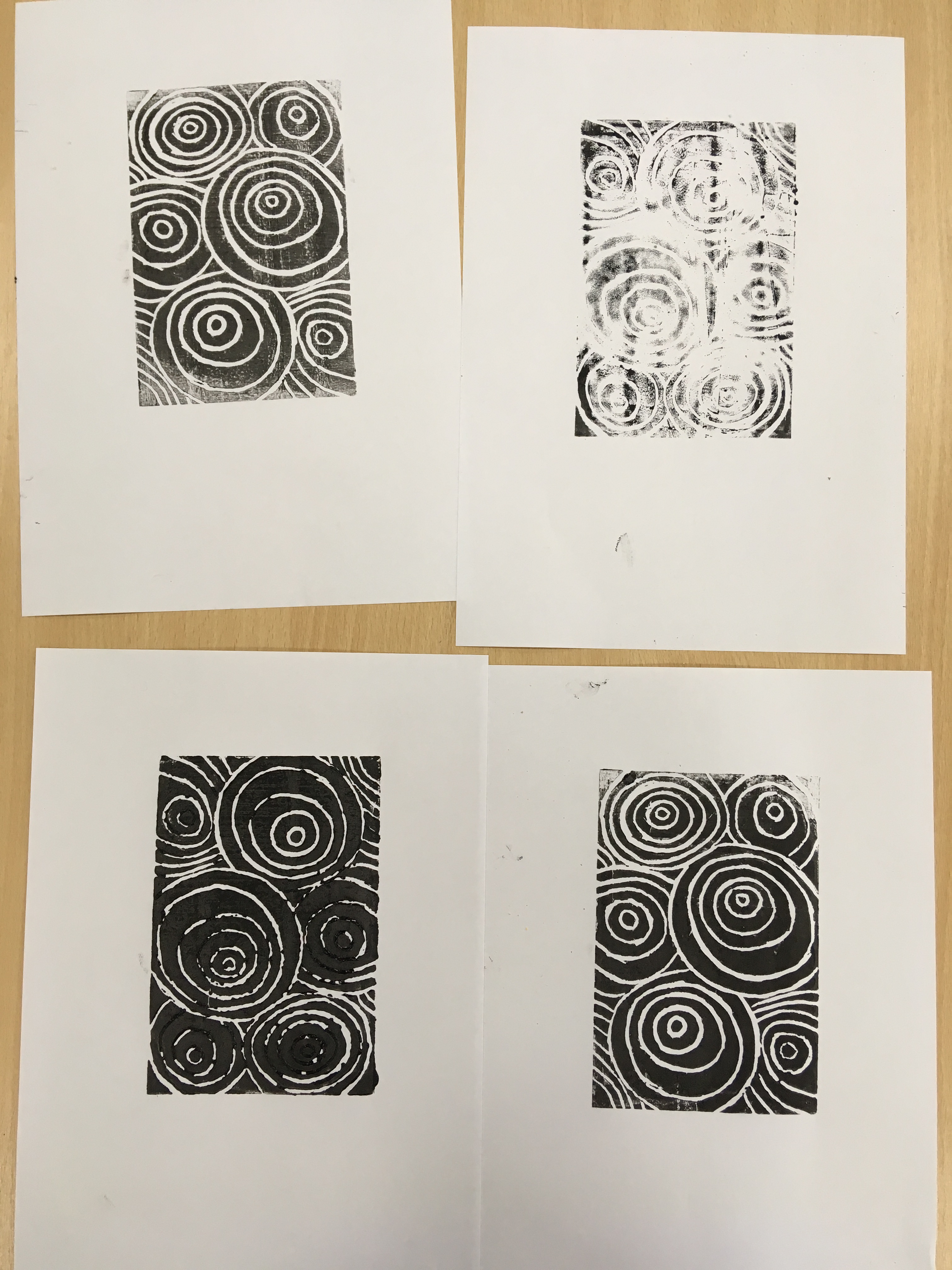
I am beginning to think that while my interest in the printed, the traditional design process has fueled a lot of this weeks work, It is digital elements that I really should give more time to. I find it easy to get ideas down on paper and sketch things out. I enjoy the research developing new sources of information. But what I seem to miss is using this to influence and develop my digital skills. When I say digital, I feel comfortable with the software and to an extent know my way around but this is not really the point, it is using these software packages to present designs and develop something meaningful. Maybe the printed element doesn’t need to exist in this instance and what I need to do with my scanned circles is go back to digital and use it in a way that adds value to a design. These designs started to look a little psychedelic and resembled the work of Victor Moscoso.


Developing my skills and reflecting on this weeks idea I have been able to combine elements of hand drawn and focus a little more on the digital, mainly my use of type. while I set out to do something handmade I have concluded that my skills gaps are in the designing and making decisions. Mainly making decisions, I need to focus and have a clear plan of what I want to produce. But saying that, this week I had no idea what I was going to produce the outcomes have come about due to experimentation from an initial idea. I guess that this is something that I would like to continue to develop. I will continue to experiment with this illustration and applying type to it. In a reflection of this weeks challenge I really have gone around in circles and not completed what I thought I would but then I didn’t really have an outcome in mind.


 Pixels and Serifs.
what a great journey in a week
LikeLike