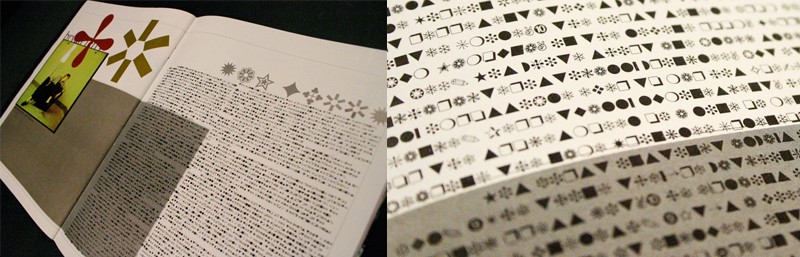
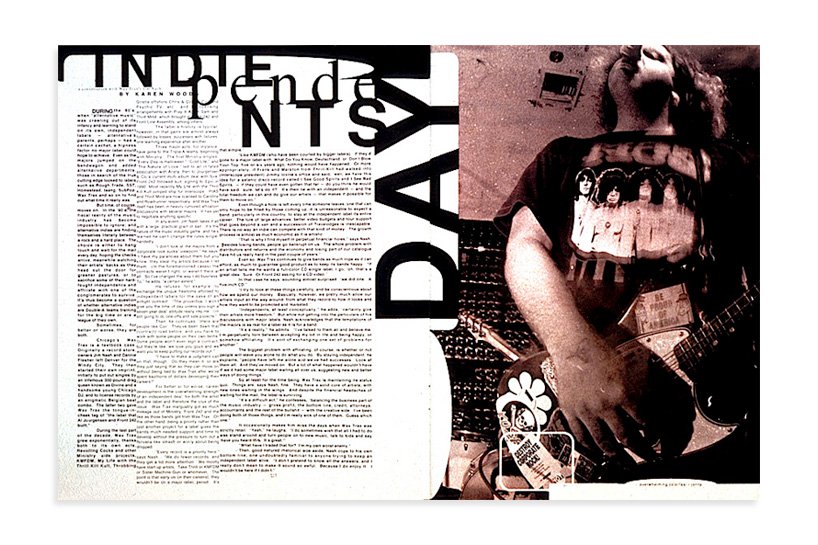
This weeks lecture, a conversation between Susanna Edwards and Sam Winston circled around the idea of form and function. Straight away I began to think Bauhaus. The fundamental question and themes and the teachings at the Bauhaus were about challenging form and function. The idea was that each is just as important and that without one, you couldn’t have the other. I guess there are still elements of this in design today however designers may aim to push these boundaries further. David Carson says we should not mistake legibility and communication, he presents ideas and uses type in a way that gives us more information about the subject that is given by the words themselves. Copies of RAYGUN magazine had articles that were set in the Dingbat typeface because Carson felt that it was more interesting than the article itself. Type can say more than the written word and its communication seems to be judged in the legibility of each word.
Chipp Kidd, during a ted talk, spoke about doing one or the other: you either say apple or show an apple. Don’t treat your audience like an idiot. I find it interesting that both Carson and Kidd challenge the reader to really engage with the material and create an emotional response within their work. This is the good design I guess and something that I really feel I need to work on. My designs to date seem to be too obvious and don’t necessarily challenge the audience to think or create an emotional response. How do these ideas manifest and are they a response to years of work and a solid grasp of the design fundamentals? Its hard to see that Carson is using rules within his work, his attitude to design is that of an anarchist. He seems to know that there are rules but purposely breaks them and creates his own patterns of working. Maybe that is my problem here than with creating work that challenges. I understand that there are rules we should follow but maybe I’m not breaking out of these or really challenging these conceptions. Reflecting on my work I think that I favour the clarity and function. I seem to focus too much on these ideas and not really challenge the form or try to break any boundaries. A recent conversation with Tom Finn really made me think about the way I work and challenged me to develop new patterns of working and I believe that this will enable me to break out of the guides that I have created for myself. Even last week where I thought that I was exploring new areas, I was not. I was working within parameters that I know and understand, Tom suggested that I really explore these ideas further and aim to stray away from the routines I have made. It is not until I have noticed these guides and rules that I seem to be working with that I am able to break free.
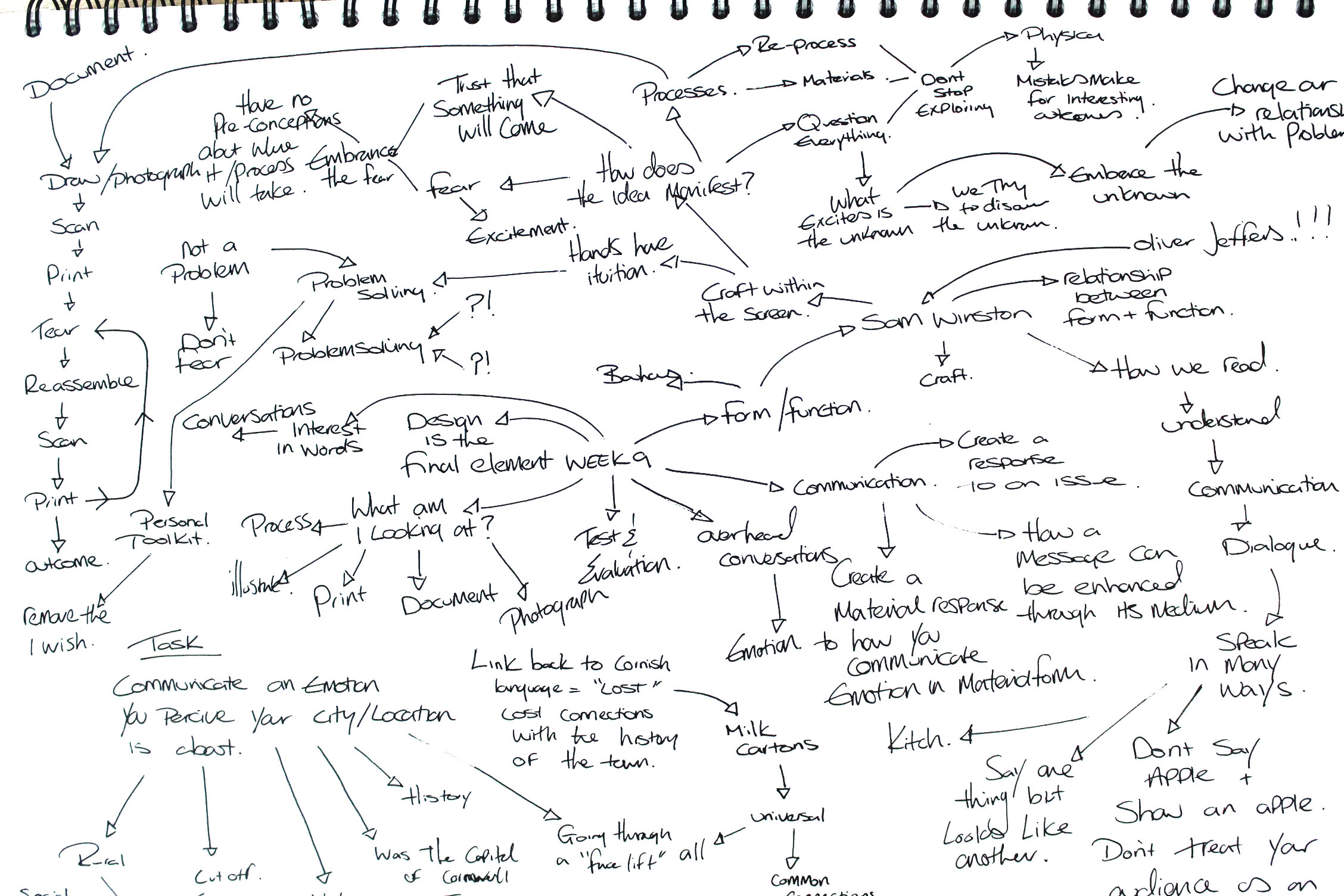
The hands have intuition.

Sam Winston spoke about the craft of working on screen and this is a skill that I need to develop but before I am able to do that I need to continue my practice of hand-drawn ideas. As Winston says, the hands have intuition and are able to develop ideas and make the mind work in ways that enable new and innovative ideas to prevail. There is a kind of mindlessness to making ideas with your hands, last week I started drawing and seemed to just let it flow and then with the outcome I was able to develop something. I think the illustration itself was better than my outcomes and I should have gone back to that and developed it further rather than resorting to the processes I know, the software. These are the habits I need to break. Winston also spoke having no preconceived idea about what the final outcome would be, this worked well for me last week. Again this goes back to a conversation I had with Finn about working towards an end product with no clear goals, just explore a process. This week I seem to be struggling to not have a clear goal but to have an idea about the end outcome. This I think is partly due to constraints on my time, knowing that work commitments dictate my time and despite I would much rather be exploring printing and what would happen if I broke the rules of screen printing, what new and interesting outcomes would be presented. This week I find myself working towards what I think I want to make but at this moment have no real idea about how I will link it to the workshop challenge. It’s interesting then that this week I seem to be working backwards. In previous weeks I have researched until I found an idea or concept to explore and left myself with no time to develop. Last week I worked aimlessly towards something that I’m still not sure what it really represents but had enjoyed a process or way of working. One thing that really stuck out to me in this week’s podcast was this concept of having a personal toolkit to deal with problems or problem-solving. Is this gained through deep reflection or having the experience to know what works. I guess both would help when presented a design brief.


I need to develop my own toolkit and I think that I also need to explore ways of working. For this weeks workshop challenge, we have been asked to give an emotion to our town/city. Thoughts reflected back to previous weeks where I have explored the lost language of Cornwall and could I develop this further? I had some ideas but felt that they would be best concluding that given project. I thought about connections to Cornwall and what brought people here, or how people are connected to the landscape, the language and the identity of being Cornish. A rural, farming community that also has a long history of mining and manufacture. While the mining industry no longer exists Cornwall still has a strong manufacturing industry, this stretches from food and drinks to engineering. I questioned that this weeks response should be something physical and that holds some connections to the landscape. I started to think about the connections with traditions of my location and again wondered if these were lost over generations of ‘non-cornish’. I looked around me and observed the obvious, space, grass, trees and the sea. These are the things that brought me here, the connection to emotional responses of memories that made me want to move here. The theme of connectivity was circling around, at this point I did not have an outcome in mind or even a process that I wanted to explore. I really had hit a brick wall on this one. So, to break out of my routine I started to make something, use my hands in different ways. I had already started with a mind map but I wanted to use materials and processes to make a physical item that I hoped would spark further ideas. The more I become involved in the process of making a product the more I become blurred about what emotion I could link back to Cornwall. I had this idea of connection but I just couldn’t seem to make it work, not that I had explored it in any depth or detail but it just was not hitting me with any sense of spark or intention. I continued to use my hands to make my product and began to really think why I had moved here and the experiences that I have had over the last three years.


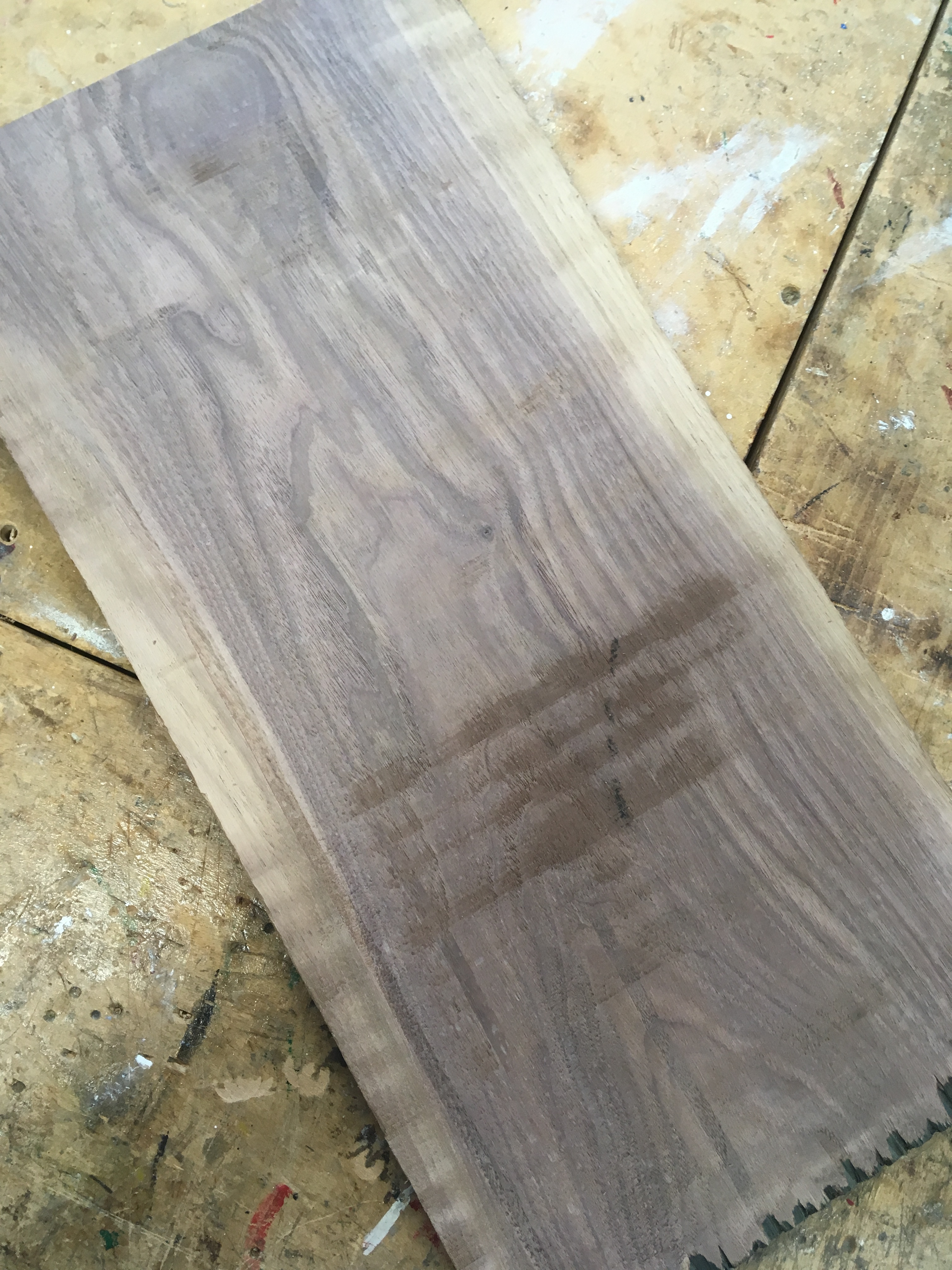

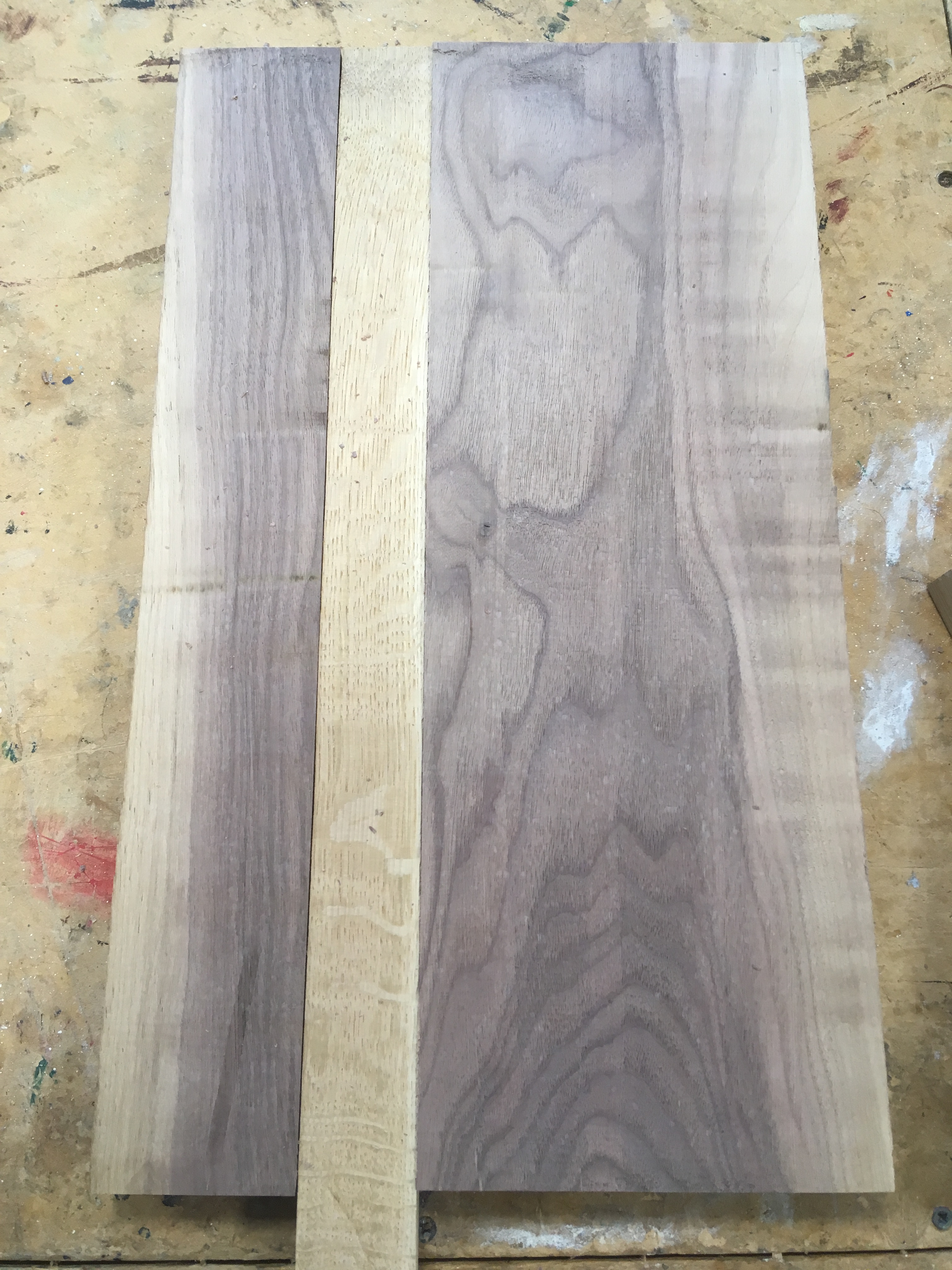
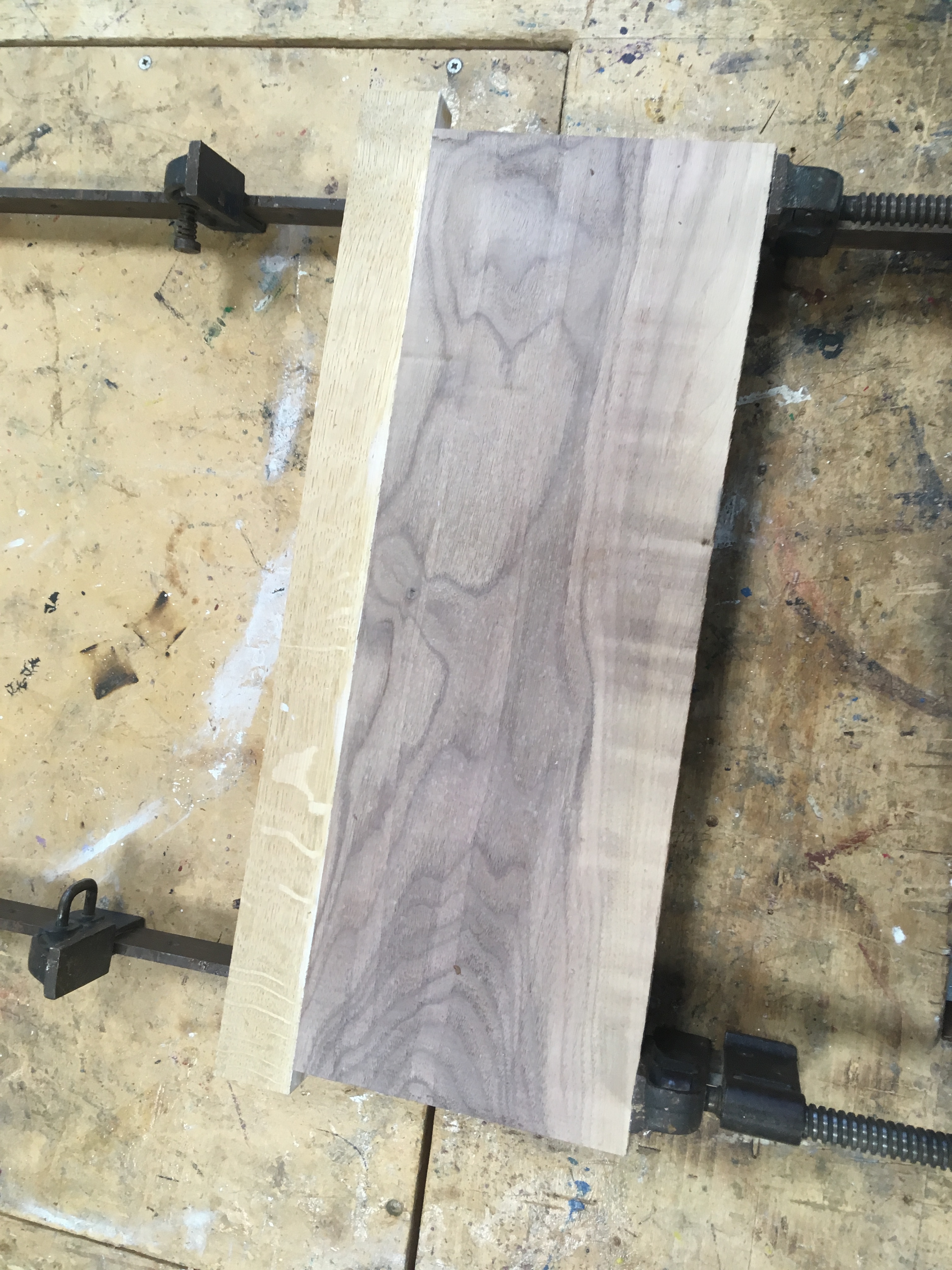
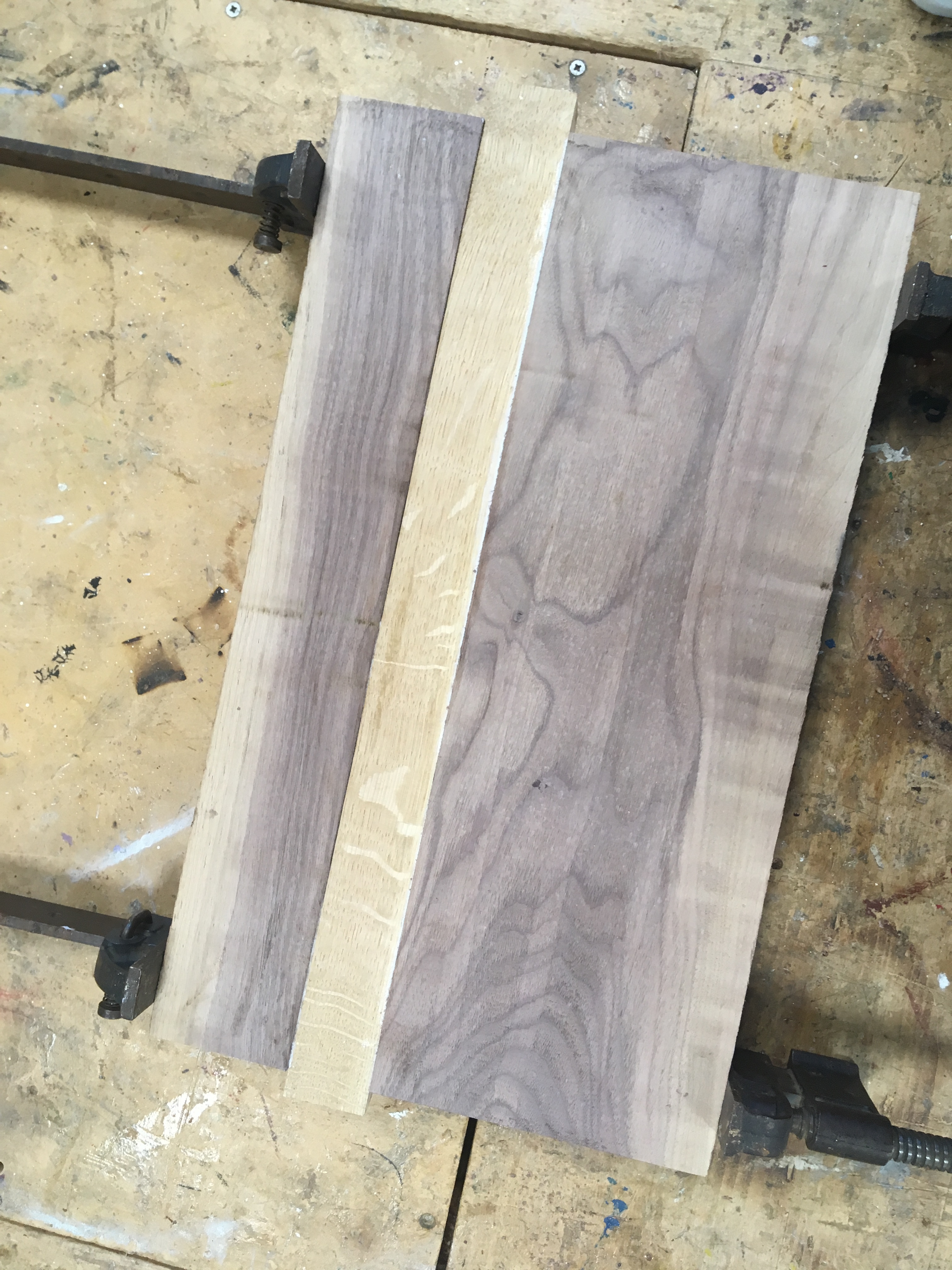
Making this board, bread, chopping or cheese board came about after making my sister one for her new house. I thought this is easy enough I could make another. For who or what I had no idea at points I seem to be really struggling to see how I could develop this lump of wood into something meaningful without forcing something upon it and generating a concept that was a little too complex for its being. After all this weeks focus really centred around form and function. As I continued to work on it, having to leave it for the glue to dry or even to teach a class my mind still continued to wonder.

I returned home from work to find a little red note through the letterbox. A package awaits. I had ordered Thomas Heatherwick: Making after tom had suggested it. The moment I opened the box and saw the image of the Nanyang Technological University Learning Hub staring at me on the front cover. Two things come to mind: plywood and design something architectural. This idea did not just jump out of thin air, the building and this image, resembled a model that I helped a student make to experiment with some vacuum forming. The student used scrap plywood, glued together and shaped. This mould sits on top of my filing cabinet in my classroom and something just clicked. It hit me what I wanted to do. My theme and name for Cornwall still sits with the idea of connectivity or disconnected for multiple reasons. As suggested before I think that there are disconnections to the language and the history of Cornwall. The dilution of a culture is making the identity of Cornwall somewhat lost. Tourism is the biggest industry in Cornwall, there is one main road in and out and one train line in and out. I guess there isn’t much need for more but after reflecting on my routine in a morning of dropping off my partner at the train station. I started to think about designing a newly connected Cornwall. A connection to the rest of the country, to support the tourism all year, to prevent the congested roads in summer. What about a better-connected Cornwall? A Cornwall that steps into the future but still holds its heritage close to its centre. As I started this project by making and using the material as a process of reflection, it was an opportunity to do something that I hoped would spark an idea. I continued this theme by using scrap wood to make quick design decisions about the structural identity of the proposed train station for Cornwall. Using the plywood as building blocks like a child would play with their wooden blocks I was able to quickly decide how the building would take shape. Some of the shapes were not defined by me but by the remains of scrap that I could put my hands on. This was a great way to get my ideas down visually and really allowed me to see first hand how the material and the shapes would dictate the final outcome.

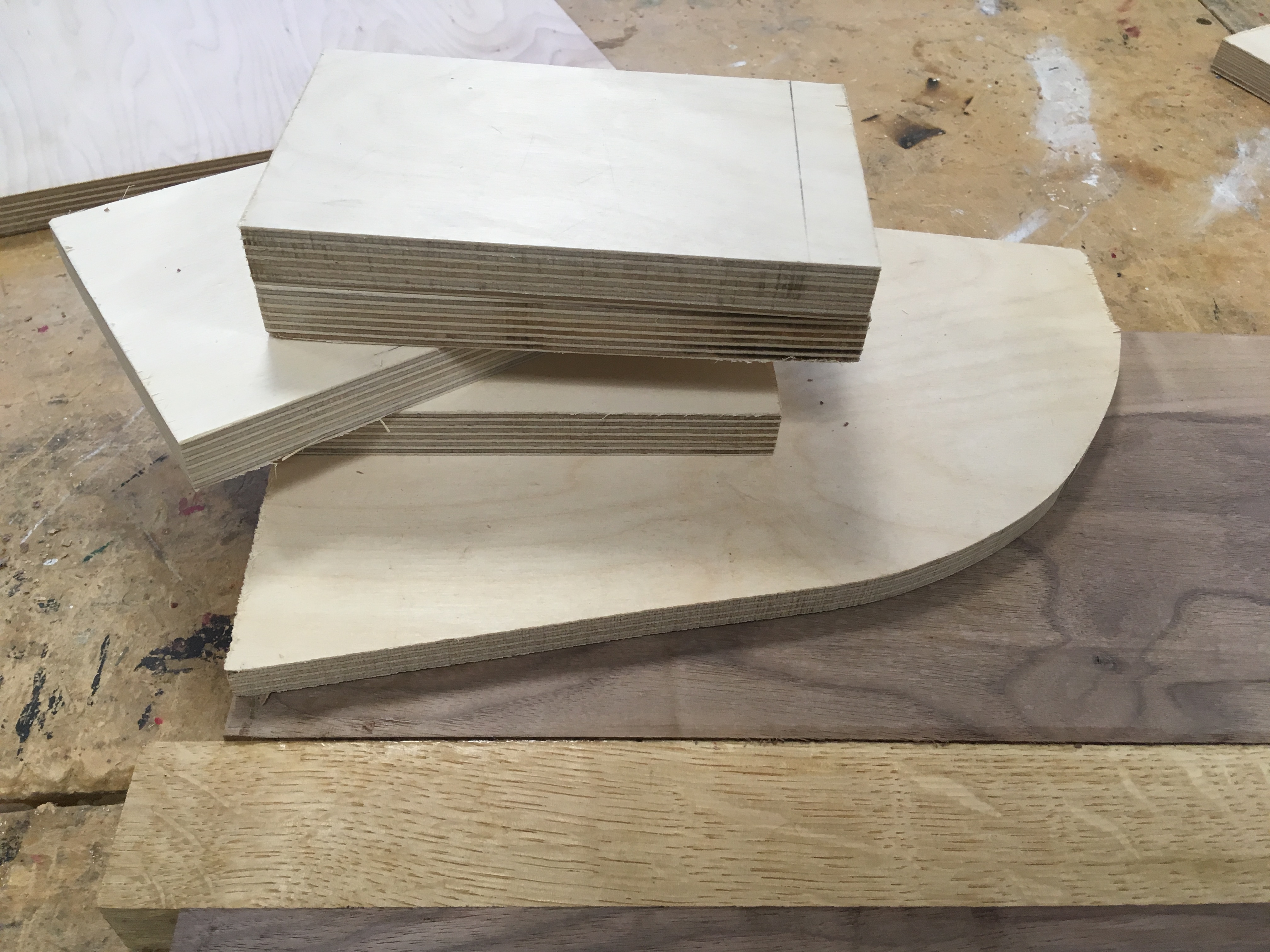

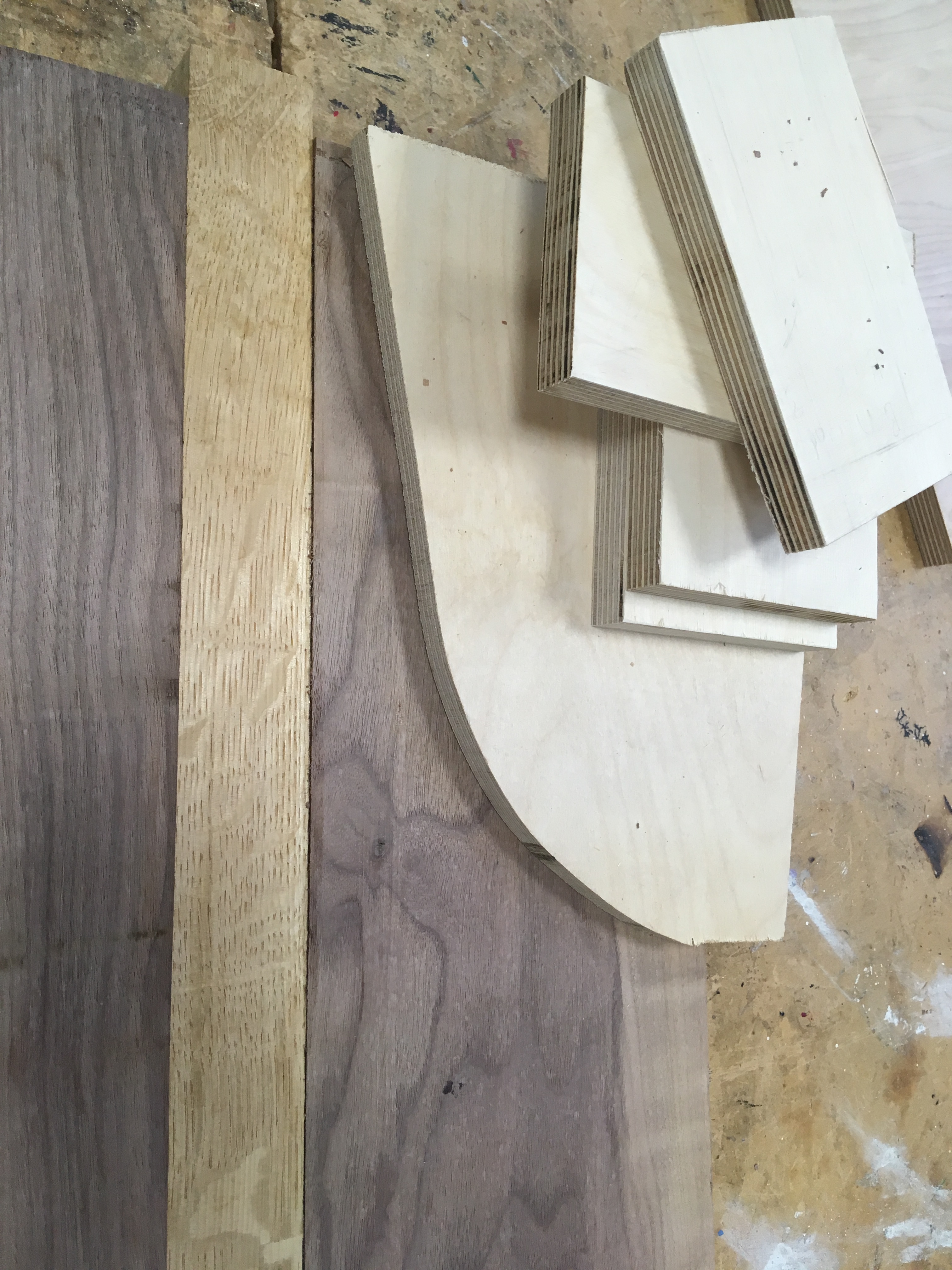
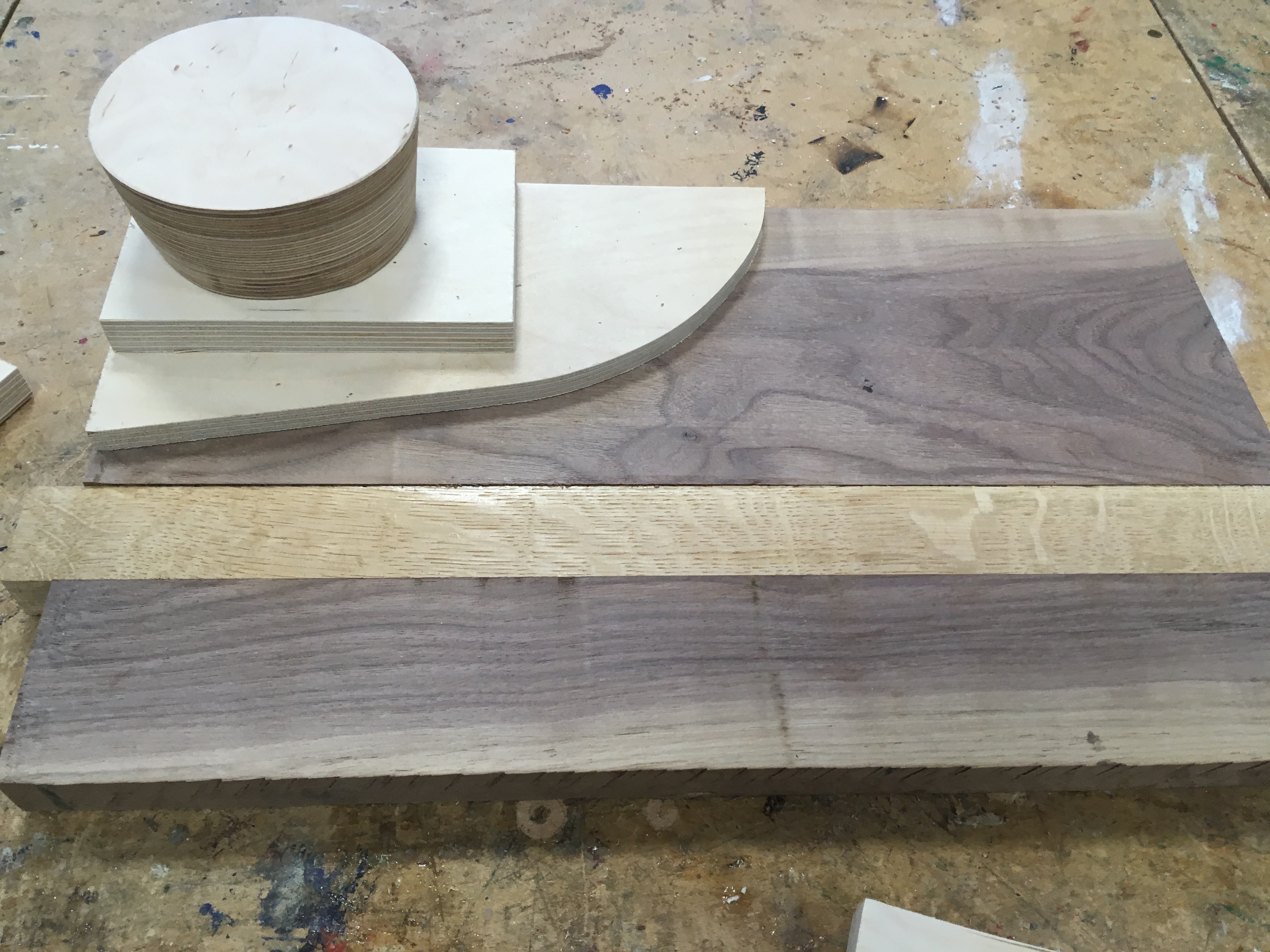

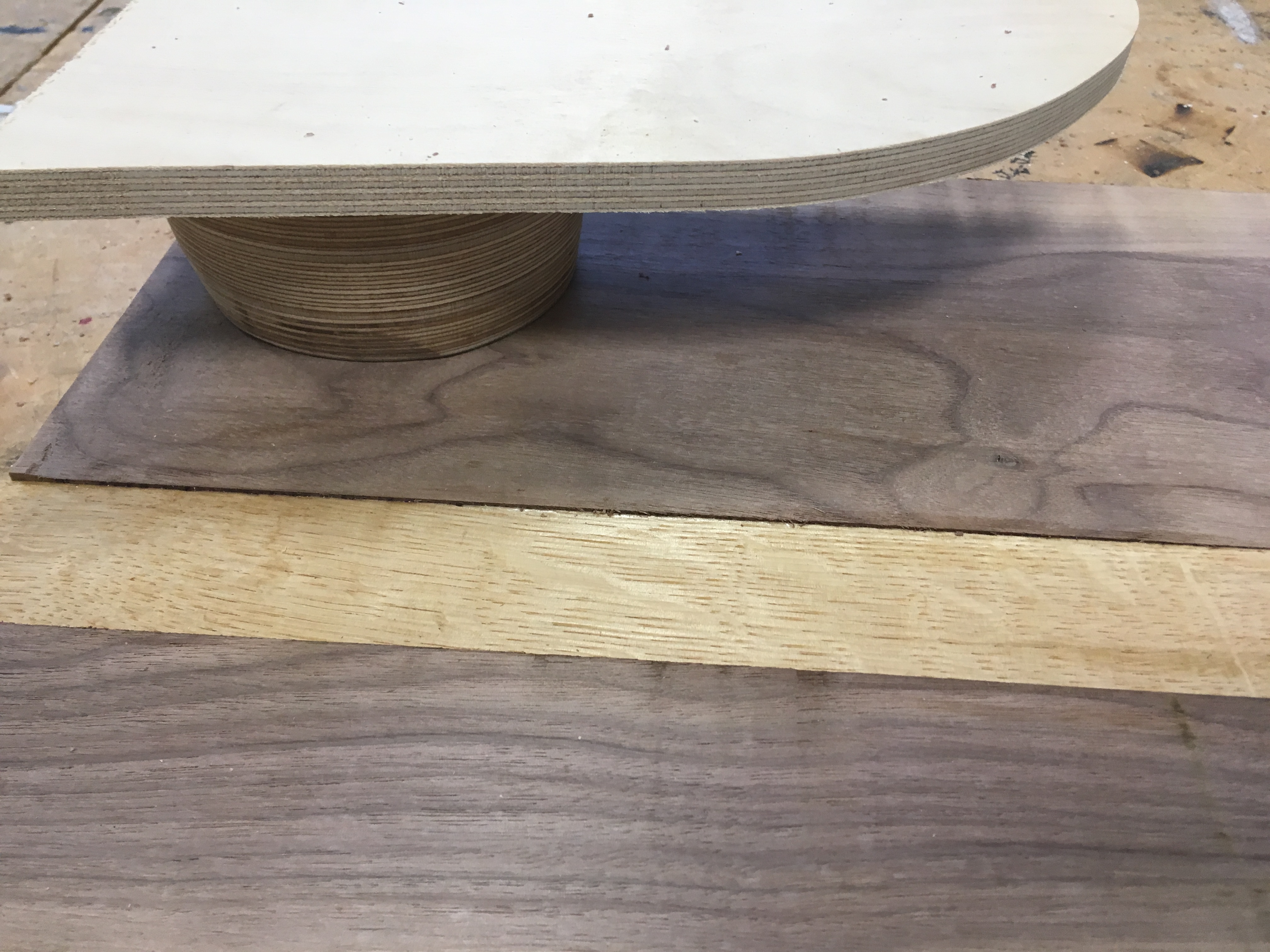


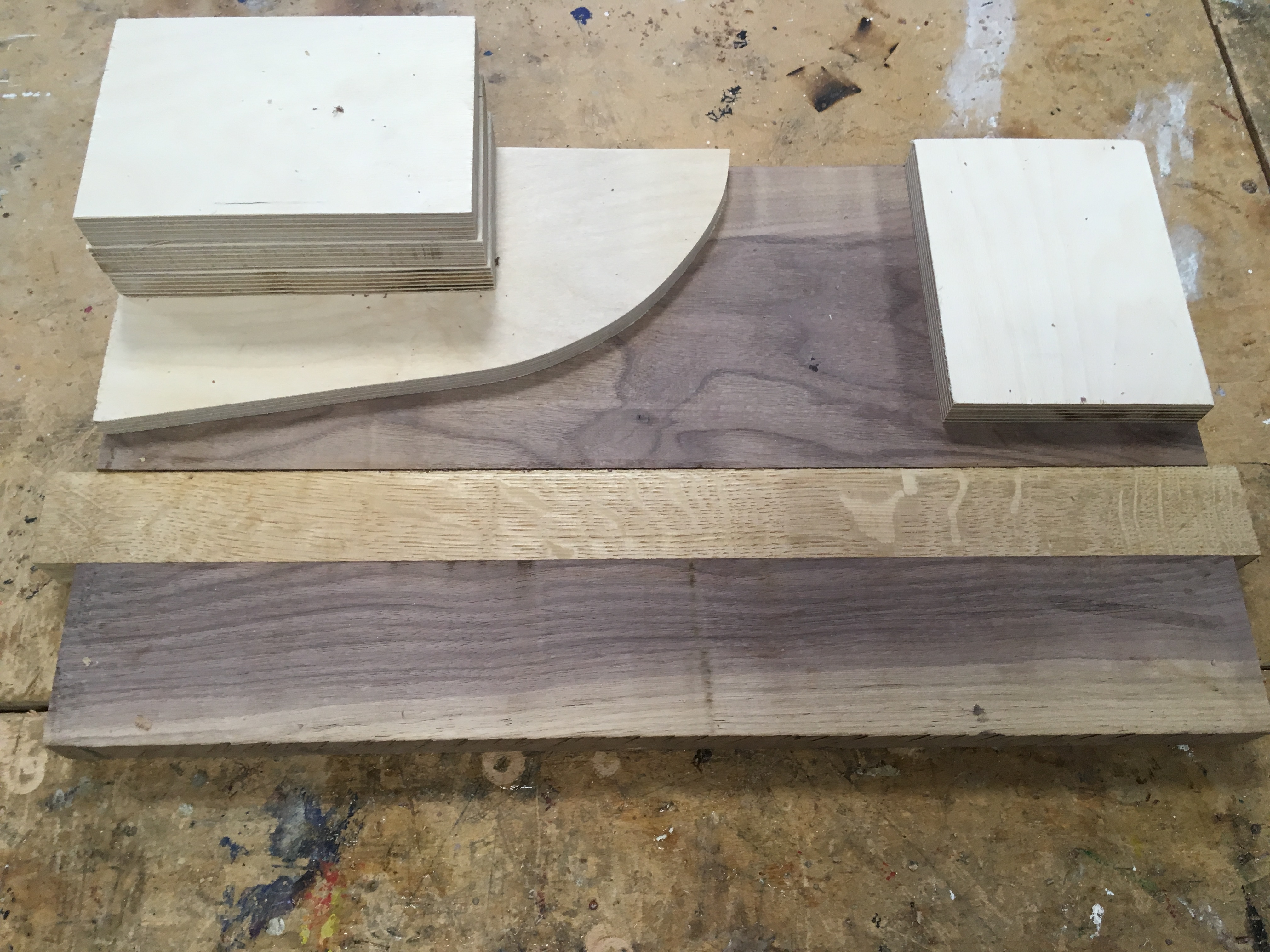

From this I was excited about the prospects of doing something different, using the material to give an instant image of what the model could look like. I needed to do more sanding and finishing to the material but at this point, I was more concerned with the form of the building. It wasn’t until I took pen to paper did I really start to explore some ideas further about what the train station could look like and the usability. I began to think about how users may interact with the area and what their needs were. For example, there is a need to access the opposite side of the railway but a bridge seemed too messy and would obstruct the building itself. Easy solution then, underground passage. I found it a lot easier to make these kinds of decisions as I had the flexibility to move the building blocks and had some parameters to work around. Continuing to sketch out these Ideas I thought about the building and space and questioned how it would interact with the landscape. I started to blend the area and surrounding areas together with trees. I then reflected upon the number of times I have had trains delayed due to things on the tracks, and thinking too about the growth of trees, would the roots grow and disturb the train line? Could I then add tree sculputures? would this give the same feel and connectivity to the surrounding areas? Designing in this way seemed a little easier for some reason, the problems seemed more tangible. The issue of too much text for the given space seemed a trivial matter when I was looking at my blocks of wood. This seemed to be working for me. Maybe it was due to having an idea or one that excites or maybe it was because I had found a break from my usual routine and had started to genuinely question the way I work and had approached a brief in a totally different way. I had started this week with the same intentions, maybe with a slight idea but nothing solid. I started making something with no real direction, just as I did last week. However this time it felt different. If I think back to the last time I was screen printing, I enjoyed the unknown and the reveal. The opportunity to make and never really know how it will look until it is out there. Sometimes a design can look better after walking away from it for a while, on the other hand, it could look worse and when working digitally I think that ideas are thrown out too quickly. Working with physical objects or at least something tangible I am able to return to an idea and further question its form and function.


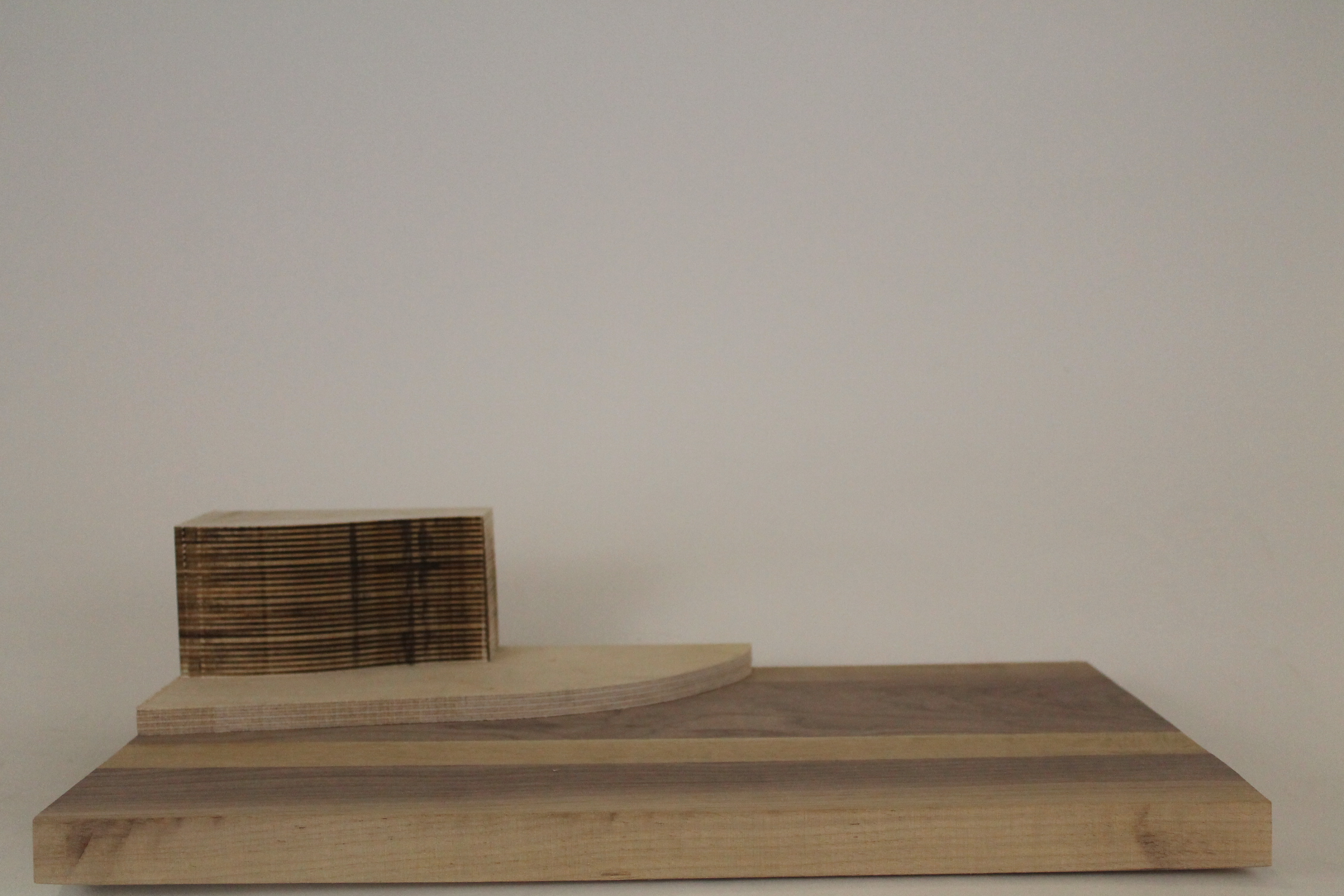
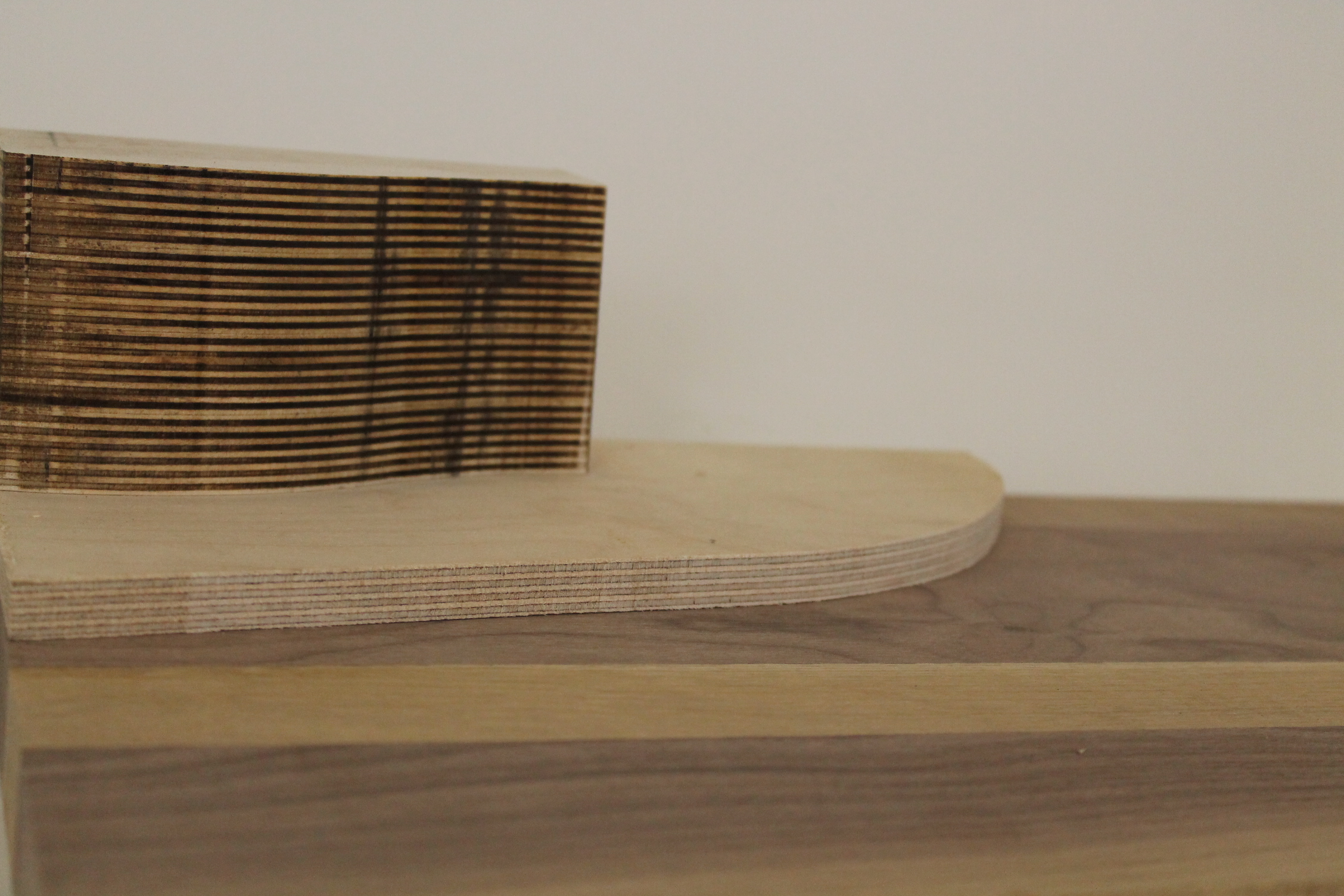

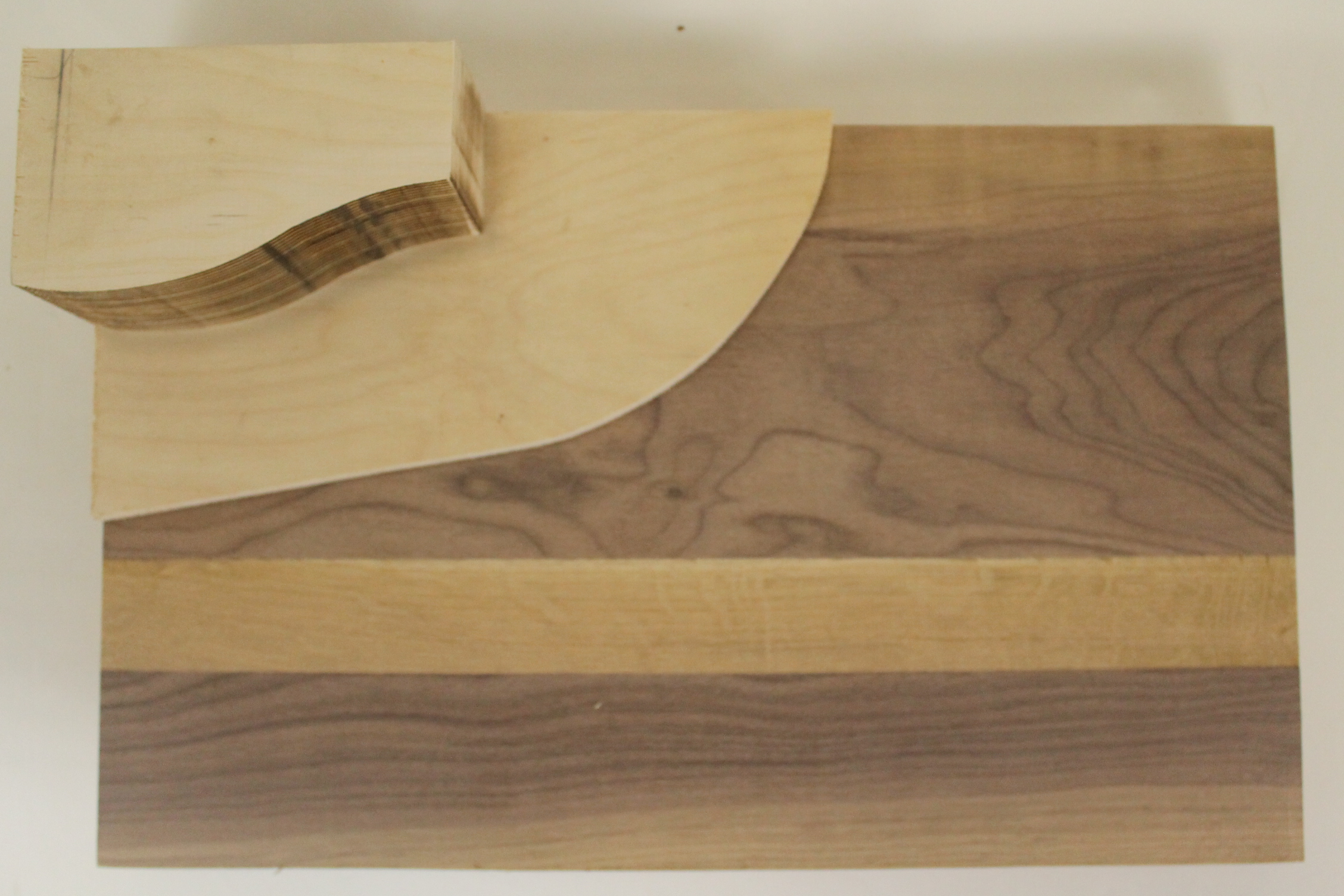
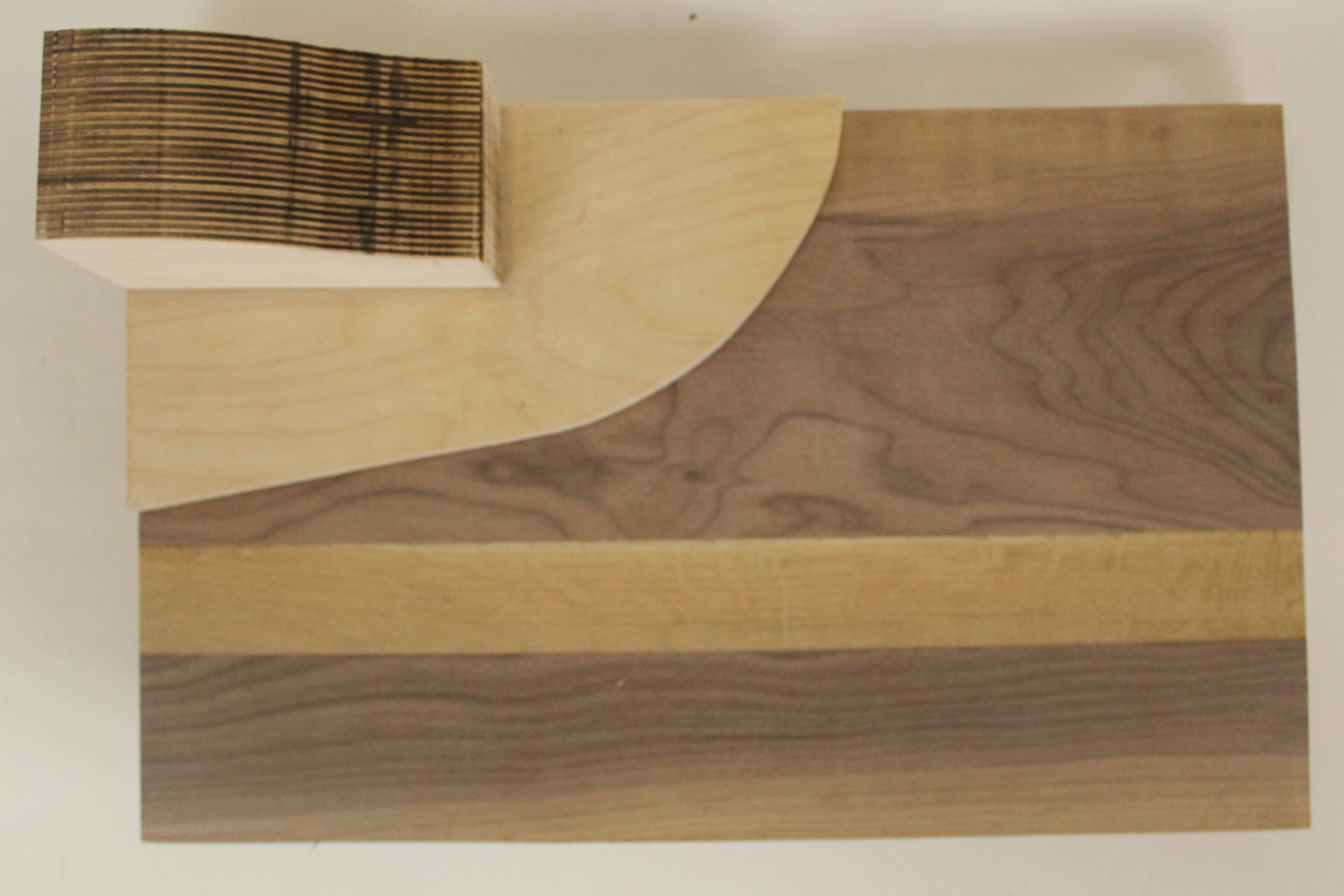

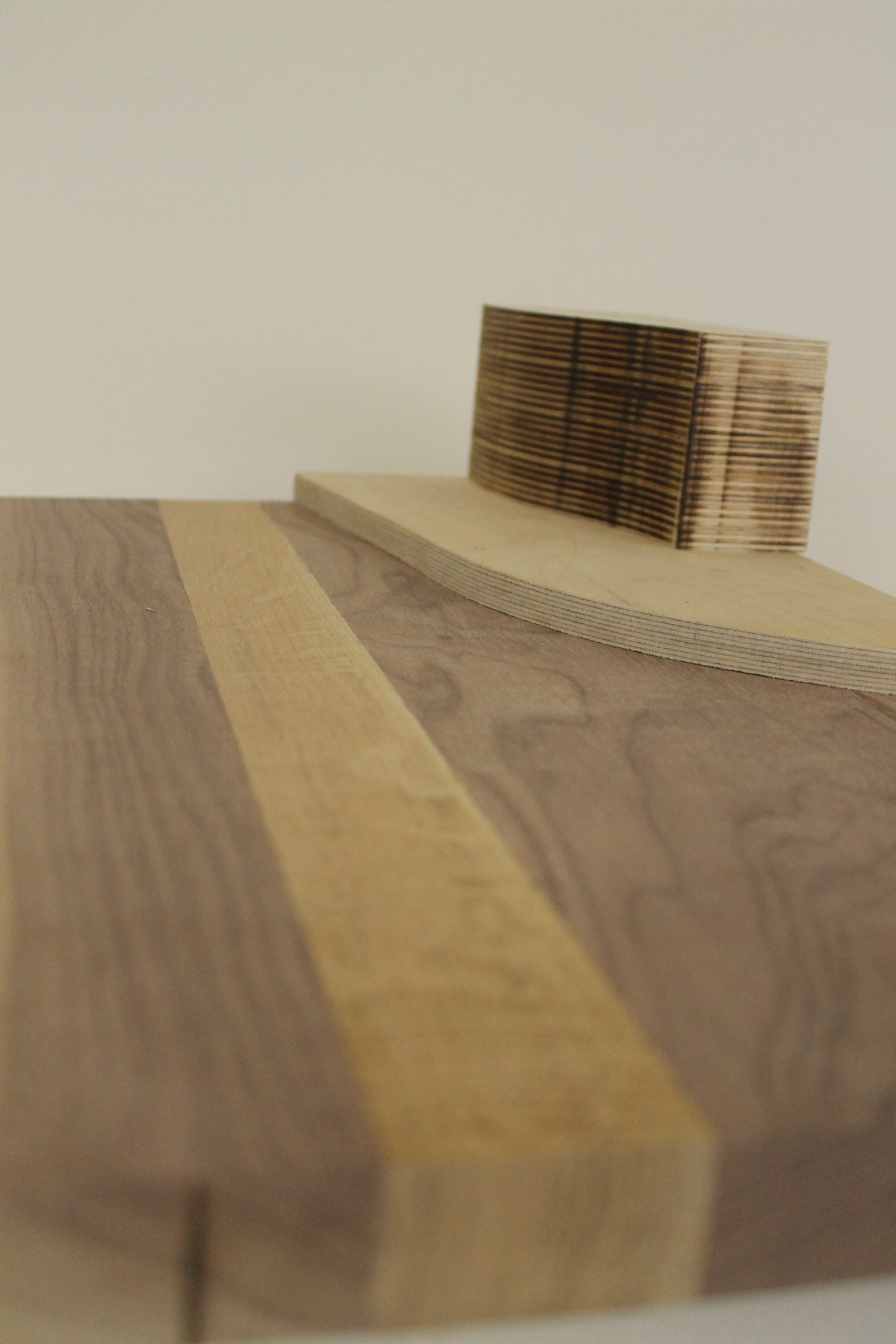

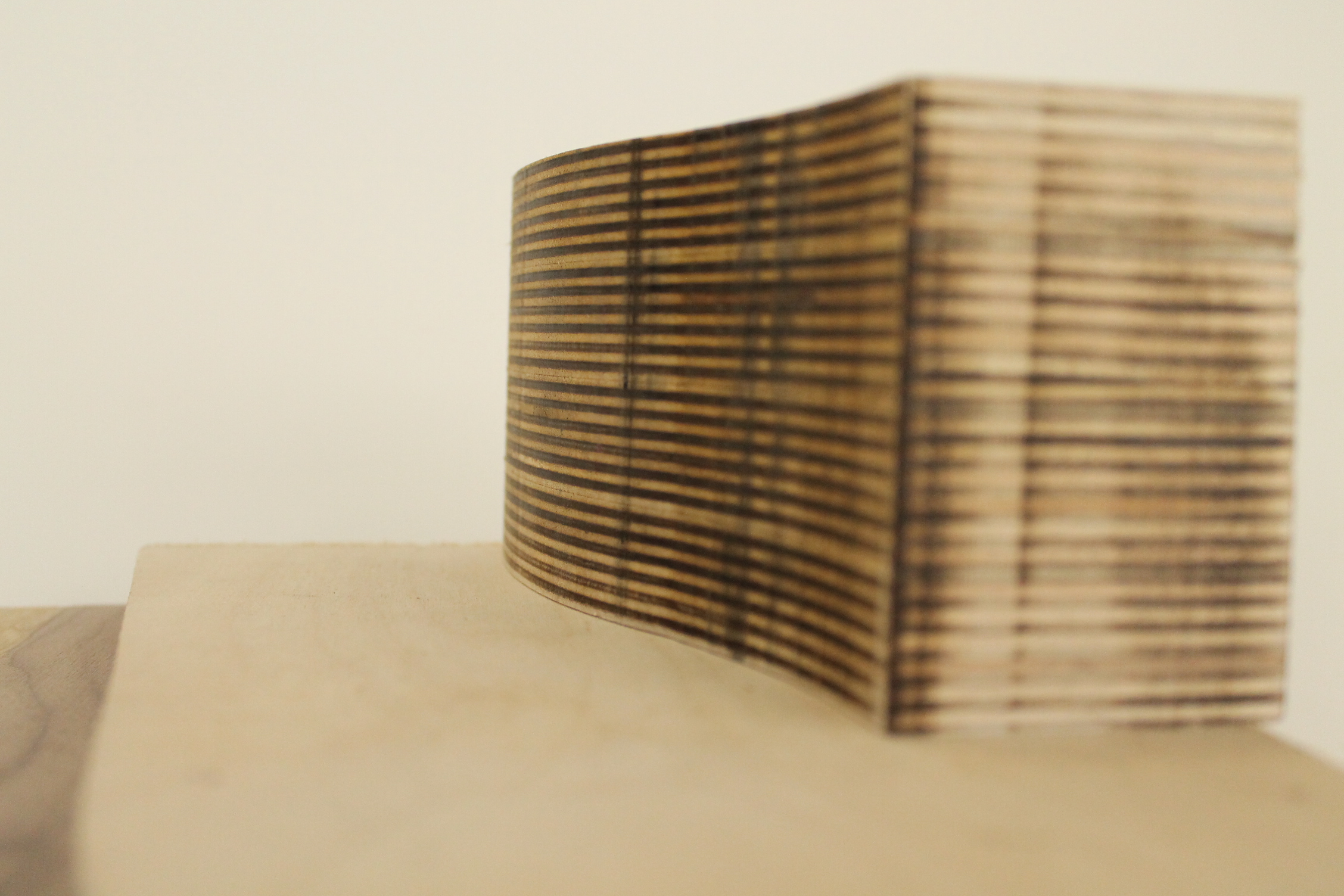

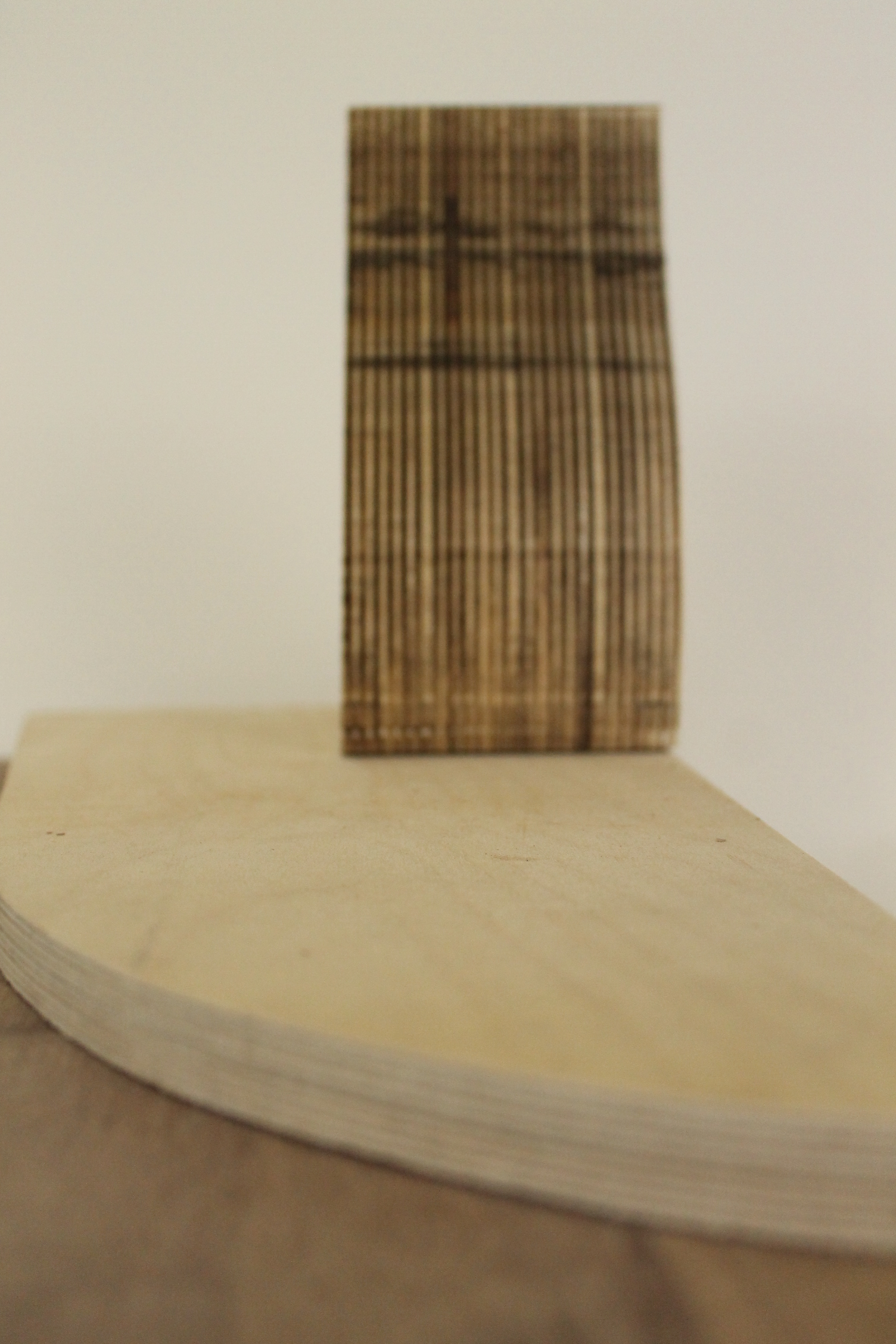

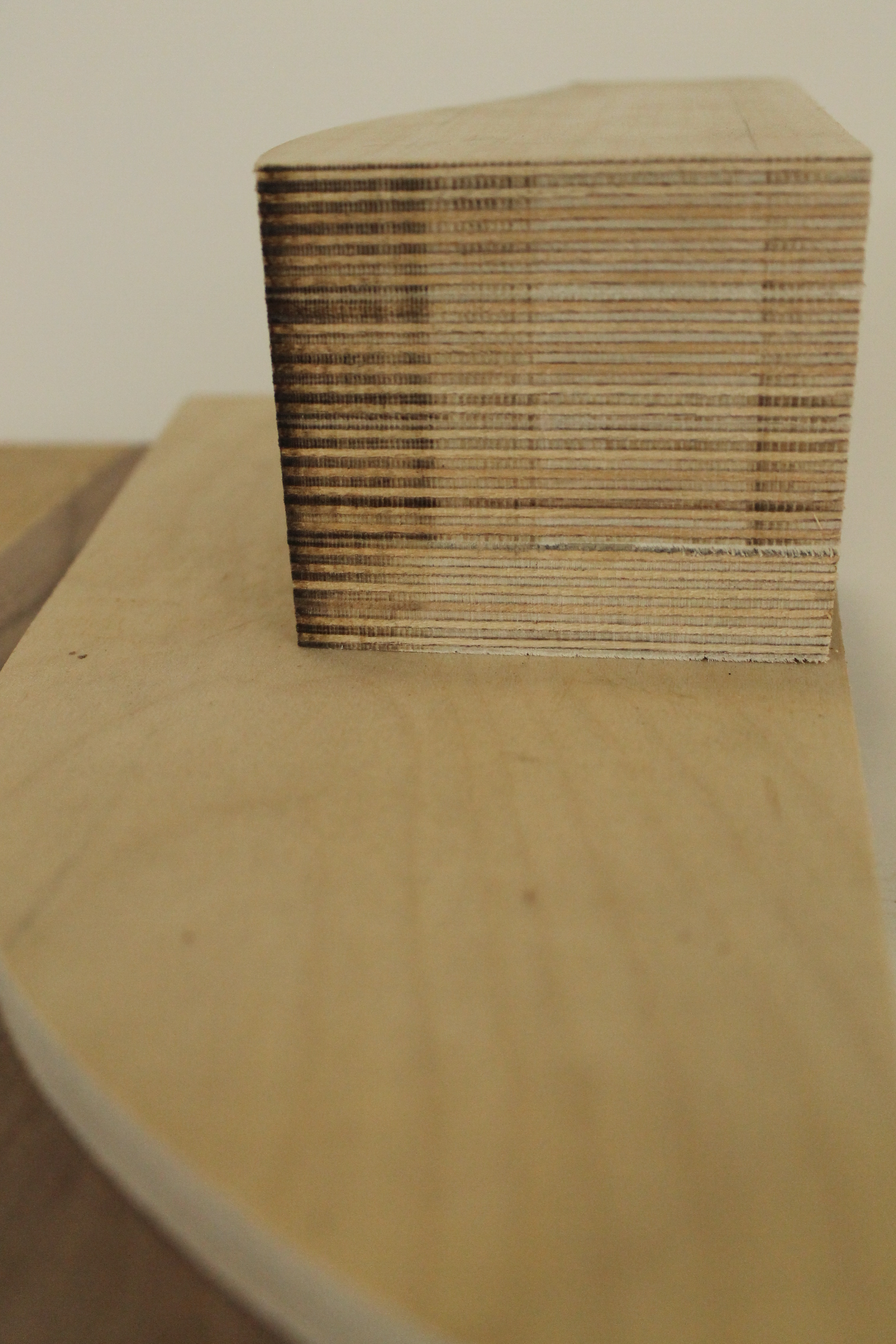
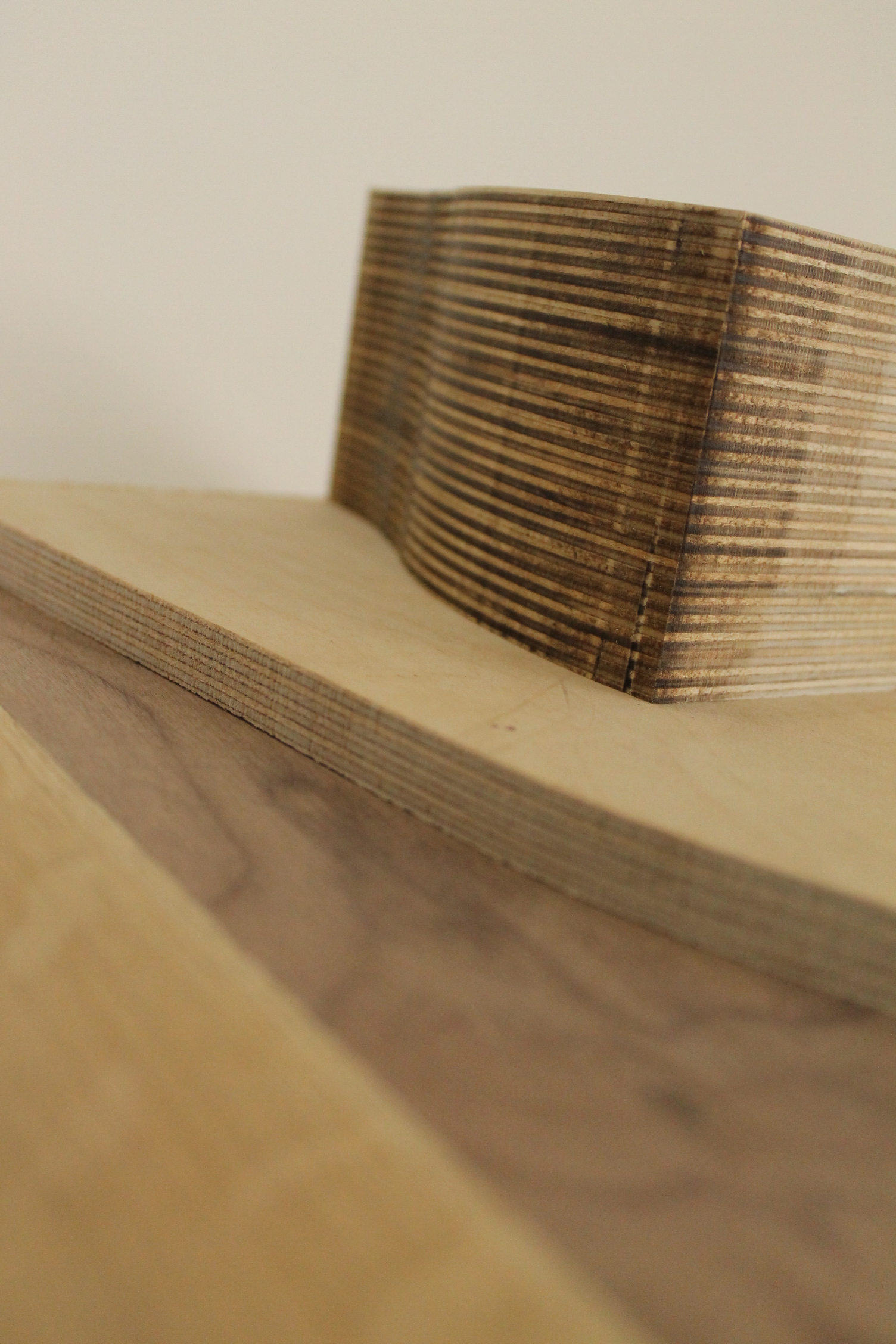

The plywood and oak building blocks really enabled me to explore this idea in the initial stages. The found shapes had given me a good visual and scale and how I could develop the idea. From my sketches I had then some ideas about how the building would take


Once I had taken a series of images I felt that I needed to show this idea in a more compelling way. I had tried to use photoshop and bring in stock images to really get across my idea for the new station. I was not entirely hapy at this stage with the outcome. I had heard of Sketchup but had never used it but felt that this was a good opportunity to try and get to grips with the software. The limitation in my skill with this software did not allow me to create the more organic shape that I would have preferred. I do think that this idea works and as a visual to give a good idea as to this proposed new train station that would provide more connectivity to the rest of the UK or even EU.
This weeks task was to give an emotion to my location, I propose that disconnected could be regarded less of an emotion rather a state of being. I had decided that this description described Cornwall and allowed me to explore a way of working. This week I felt that this was more imprortant, I have aleady spoken about routines and my ways of working and this week, along with last has challenegd this and allowed me to explore new ideas. Taking on board the feedback from Tom Finn and the ideas suggested in the Hetherwick book: Making, I have used materials as a way of building upon and idea. From the starting point of a word to making something with my hands, having no clear outcome at points can be daunting and stressful at points. This said it has allowed me to enjoy the process of desigining with some nievity and working to explore ideas in a more oganic and less structerd manner. Moving on to the coming projects I will aim to adopt these ideas into new ways of working and develop a range of concepts to the project, using materials as an idea generation process. While my outcome is questionable as a strict adearacnce to ther brief I belive that this weeks outcome has been more of an exploration of process and developing new patters.

 Pixels and Serifs.