
This week’s workshop tasks ask the question, how can design impact, improve and influence the world around us to better our experiences. To do this designers use a series of tools to gain an insight into the needs of a given user. Customer journey maps and a day in the life of are methodologies used to understand the patters and problems that an individual may experience during a given scenario. Customer Journey maps provides a visual representation of a customers journey to achieve a goal, this could be the path an individual takes to make a purchase on a website or a journey a customer takes through a brand experience. The methodology of a day in the life of, follows a customer or an individual who has been identified as the target audience for a given product or brand. This aims to provide an insight into their needs and behaviours and how design can aim to improve this experience.
The double diamond approach to design aims to identify an issue and implements an iterative approach to the process. The design council to Discover, Define, Develop and Deliver first suggested the double diamond approach. This approach rewards designers for their investigations, research and development of ideas; concepts can be explored and dropped depending on their suitability to the identified problem. The iterative approach to the double diamond aims to give the designer an opportunity to continually refine and develop the outcome. This process while having significant advantages could be seen to have a loophole that the designer can become lost in. Continual development and refinement can lead to the design being lost in translation and should continually reflect the initial findings through research. Too much time spent in the iterative process may dilute the initial idea if the designer is not vigilant to the process of the initial aims. The double diamond approach to design is flexible and open to many disciplines, it aims to support designers in their approach to a given or identified problem.


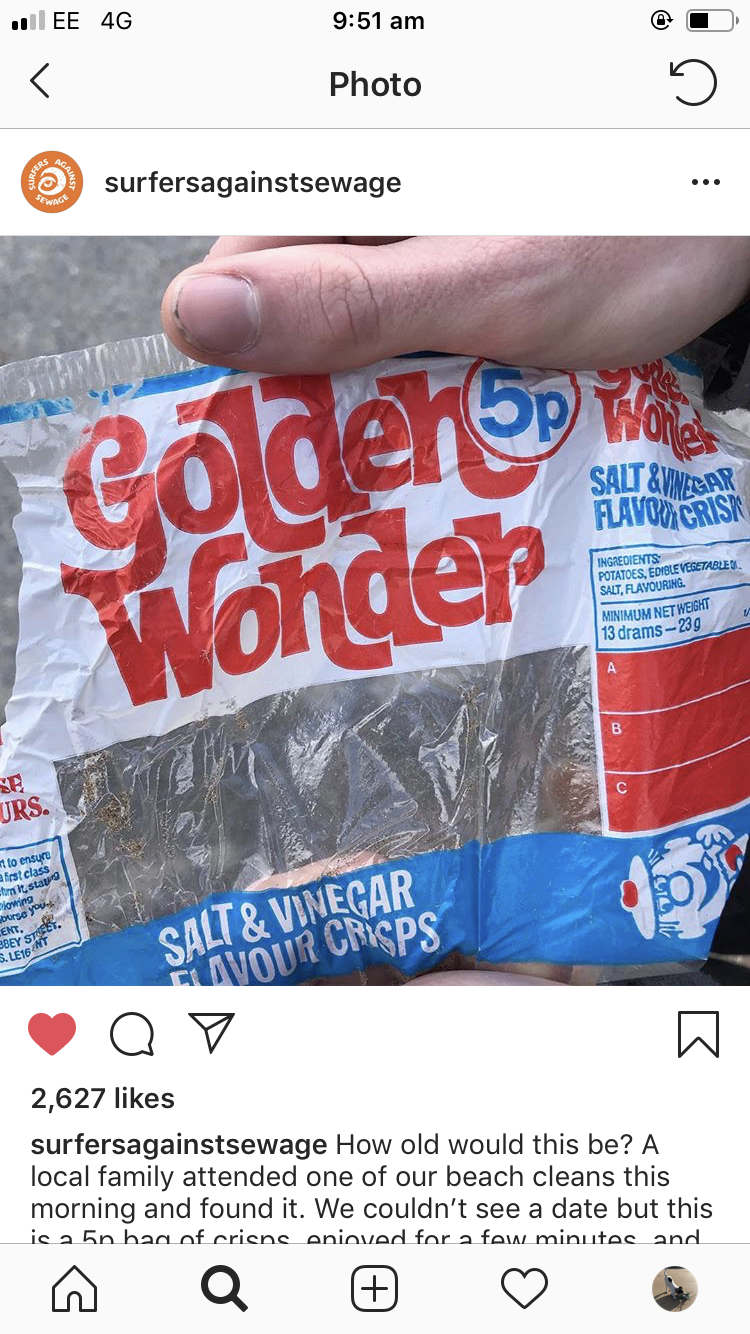
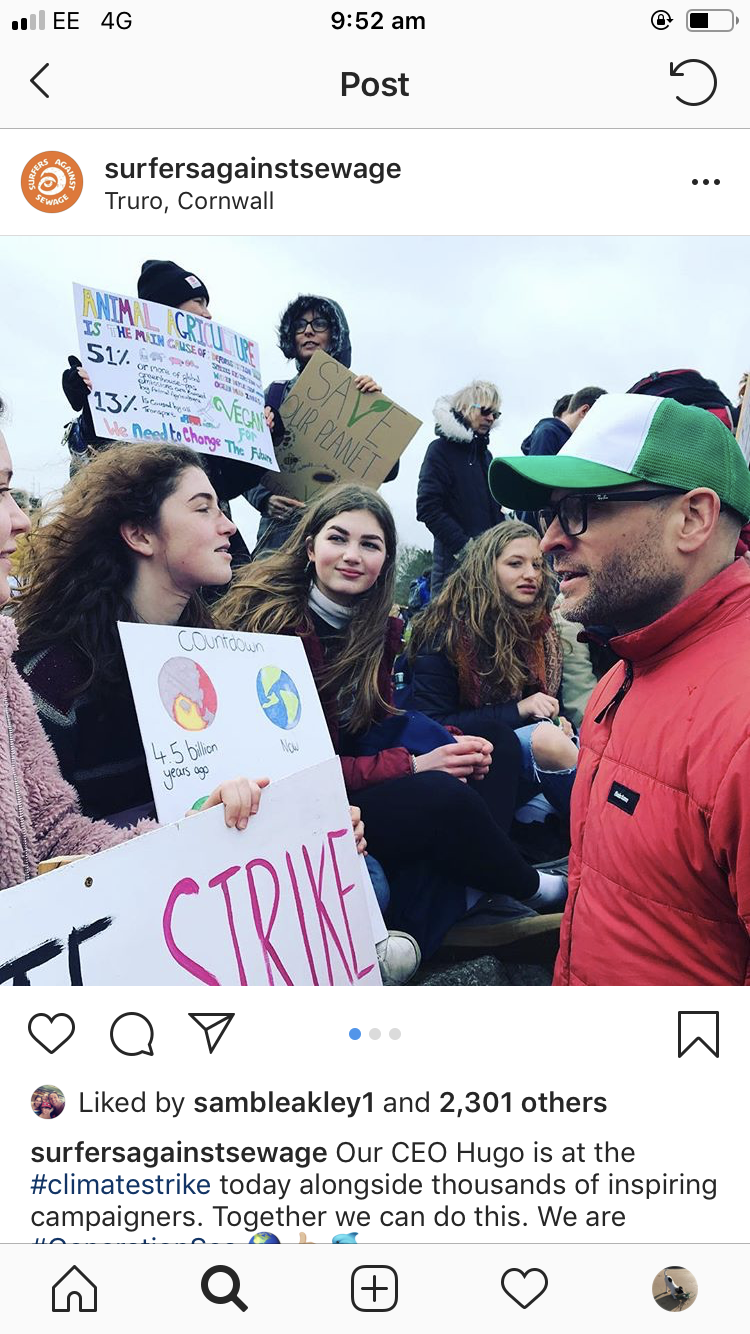
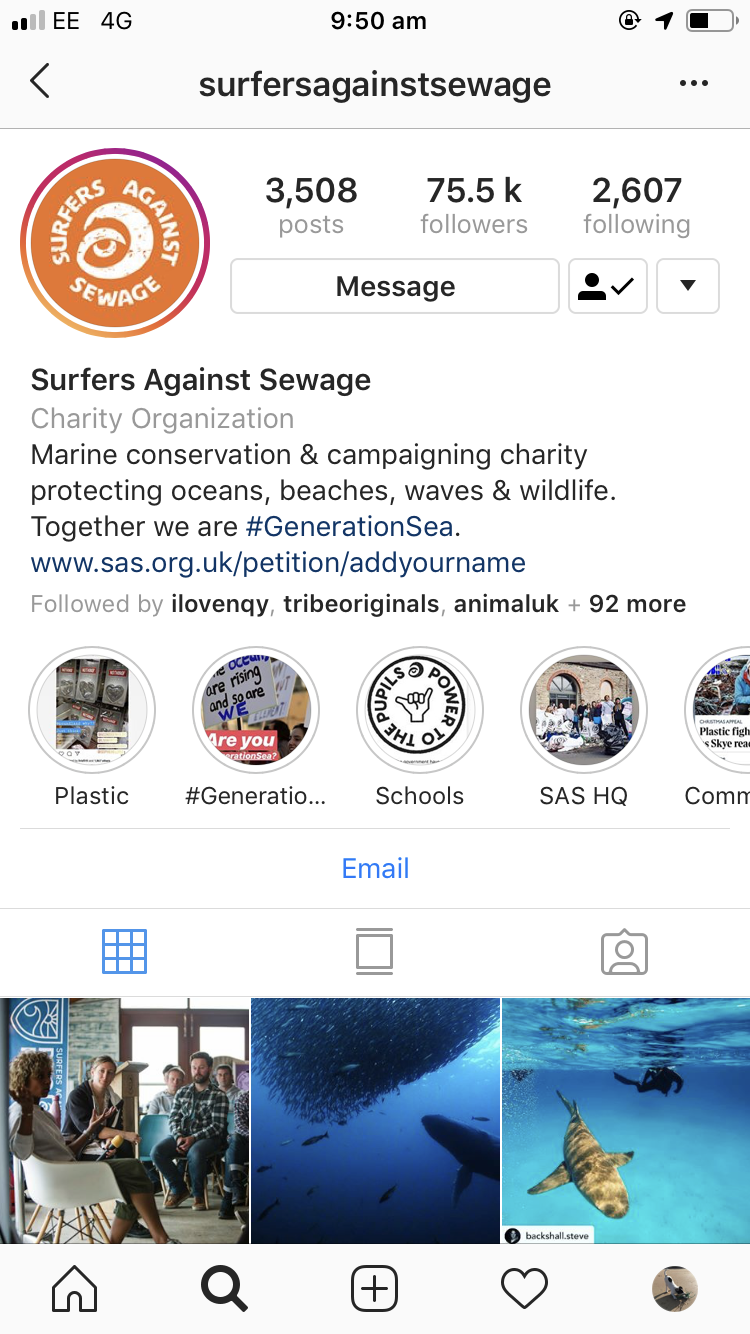
Surfers Against Sewage (SAS) are a charity organisation that aims to hold government and large organisations to account for the influx of pollution in our oceans, It calls for the public to do their part and engages audiences in their work through campaigns and beach cleans. A user centred approach to their campaigns aims to include individuals to take action and realise their potential for a big impact. SAS state that their missions are; we’re galvanising communities and inspiring people to protect our beautiful coastlines. Through education, political participation and social media SAS have provoked a change within communities and government like no other charity. The mainstream media coverage of plastic pollution from David Attenborough’s Blue Planet to independent films, A plastic wave, even to the extent of films such as Plastic China have made huge impacts on consumerism, the environment and peoples lives. SAS have engaged with a broad audience to empower change, realising that they need us to make small changes, while we need them to make big changes in parliament. Politicians and works to educate generations on their impact on the environment and the oceans back the charity. This user centres approach identifies that its audience is empowered to make change and that their engagement with this continues to support and promote the work people are doing. SAS asks that you give your time to make a difference, where other charities ask for donations, it can be difficult to see where this money is being spent. The advantage here is that people are giving their time and seeing the change. The Double Diamond approach has been implemented in a way of identifying a problem, presenting a solution but I feel in this occasion fails to present a specific solution to the problem. The role of the designer plays its part here but not in a traditional sense of the term Graphic Designer. Through a discussion with Joe this week, he identified the designer to be a multi faceted role that can be the Art Director, a Writer, Photographer and Instigator of ideas and works. In this example of SAS and their campaign the role of the audience to generate content and power is essential. There is less focus on a specific advert, printed or otherwise it is about a message and the visual language that is being created through the input of others. The approach of a Double Diamond in this instance is not an easy fit; the campaign leans towards the user journey, identifying the public as the weight behind the story.

 Pixels and Serifs.