Feedback from my work last week has made me think about the visual language that I am creating, during the webinar we discussed stereotypes and could I fall into a trap of suggesting that ‘this is what a gay person looks like’. Stuart also point out that I could be less apologetic with my design and the use of language can have a big impact on my idea. The feedback suggested that the concept was a good one and that it could be rolled out to different platforms that encourage engagement from all walks of life. One of the links that Stuart had sent through was a campaign for a BBC 3 documentary: Sorry, Not Sorry. Mother design had used a no apologetic, less sympathetic visual language that engages through its bold simplicity.


Alongside this campaign for a TV series, I found the resources in this week’s lecture of interest to this project. A project that aimed to re-write gender inequality using computer code in its visual language gained popularity through social media in its first year of launching. This use of typography removes the stereotypes and potential pit falls of a project like this, however I would like to take influence form the Sorry, Not Sorry campaign that does give a face to the stories being told, but I should combine elements both. Strong visual language of typography, non-apologetic language and images that add to the story and that are not the whole campaign.


It was also suggested that I speak to insiders to gain a better understanding of language and what could be perceived as offensive or not correct. I did this by speaking to a friend but for this campaign to gain further insights and weight I believe that a bigger engagement with the public would provide vital information to peoples perceptions of each other and how they perceive different words and use of language. While I am taking a cautious view of this subject I believe that there has to be an element of acceptance that some people will be offended by the message of complete equality and this view of No Outsiders.
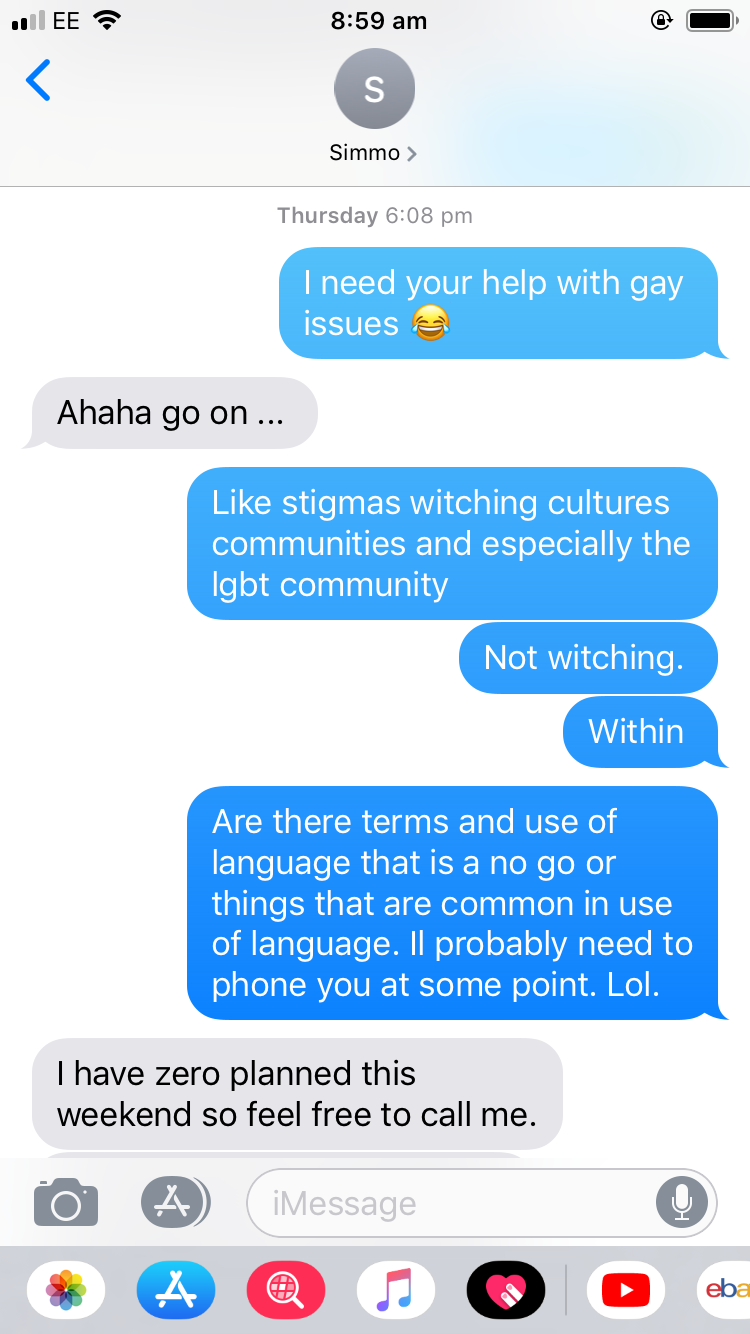
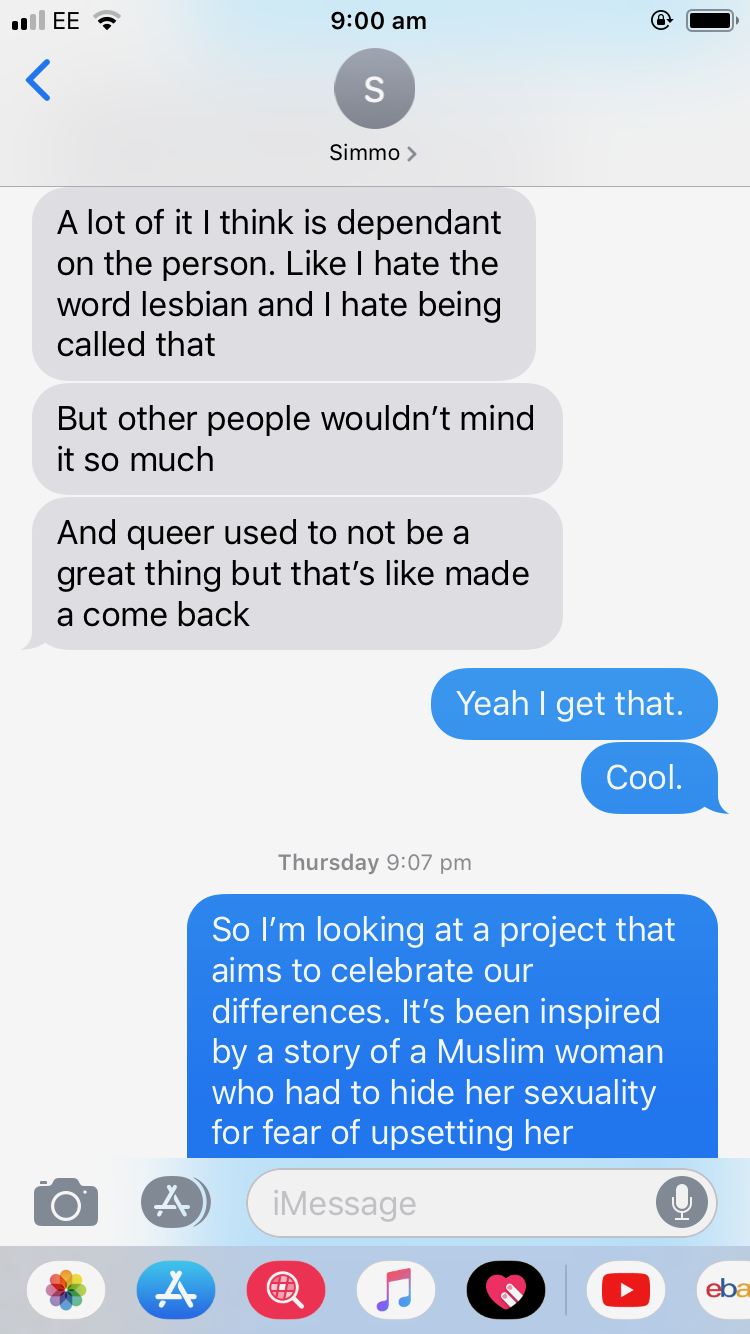
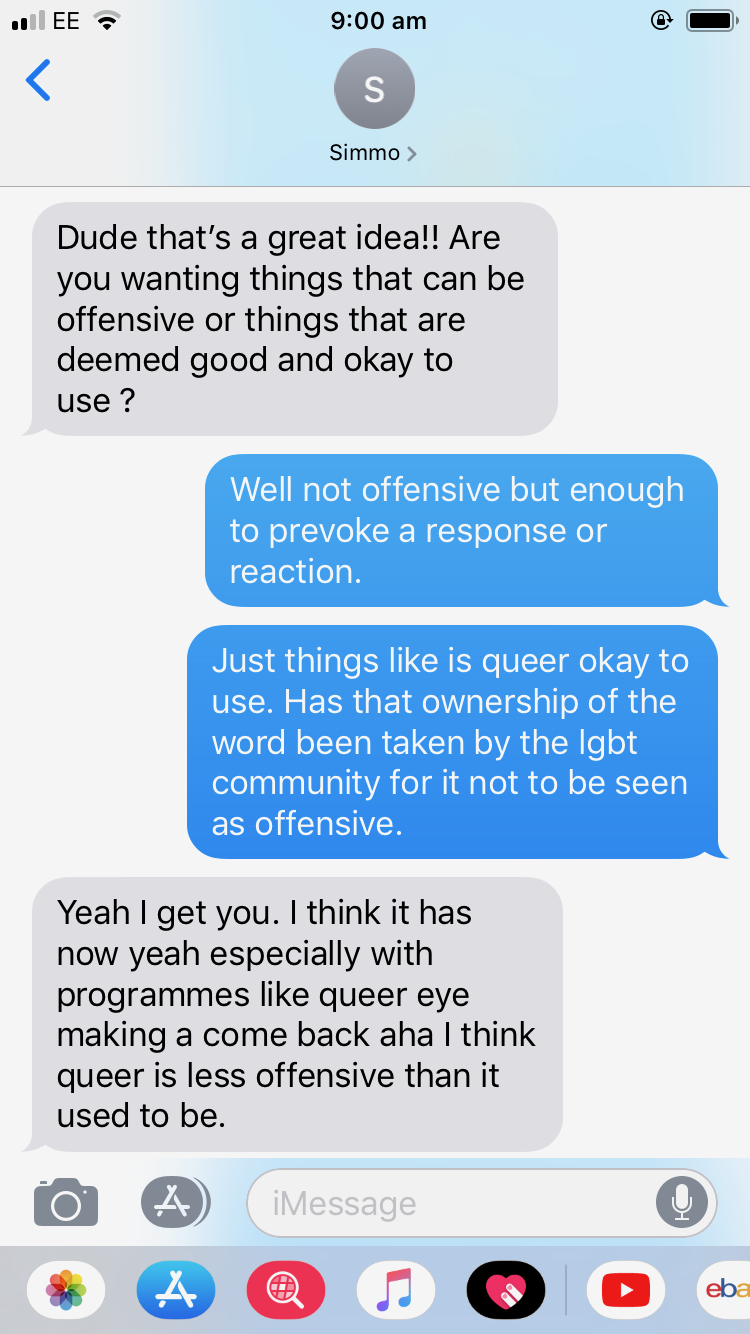
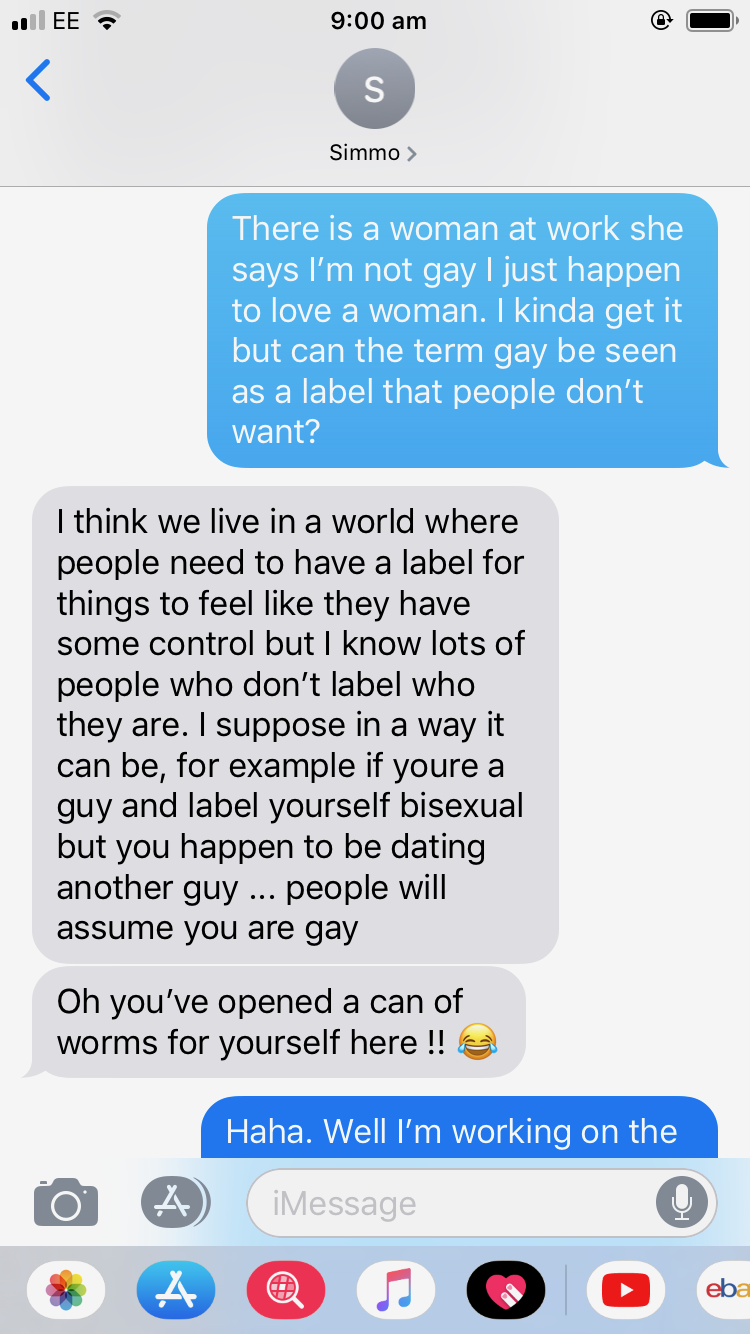

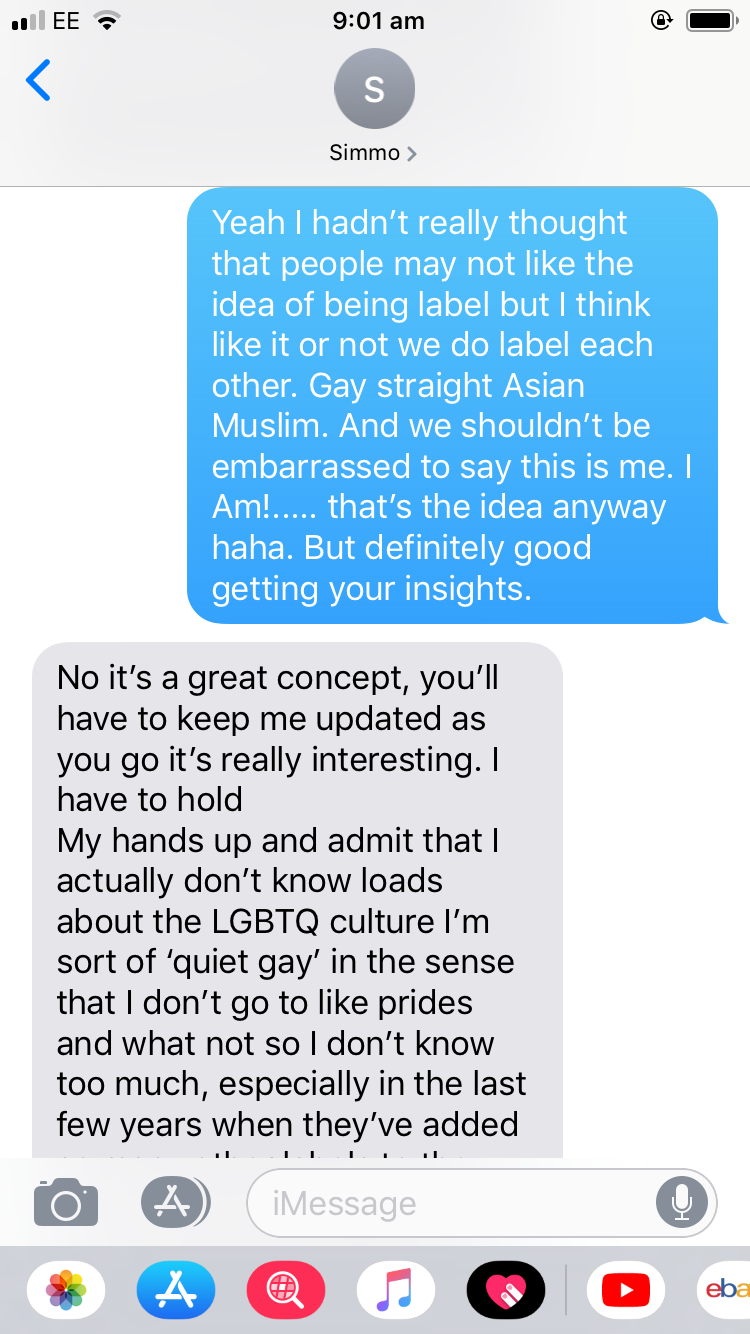
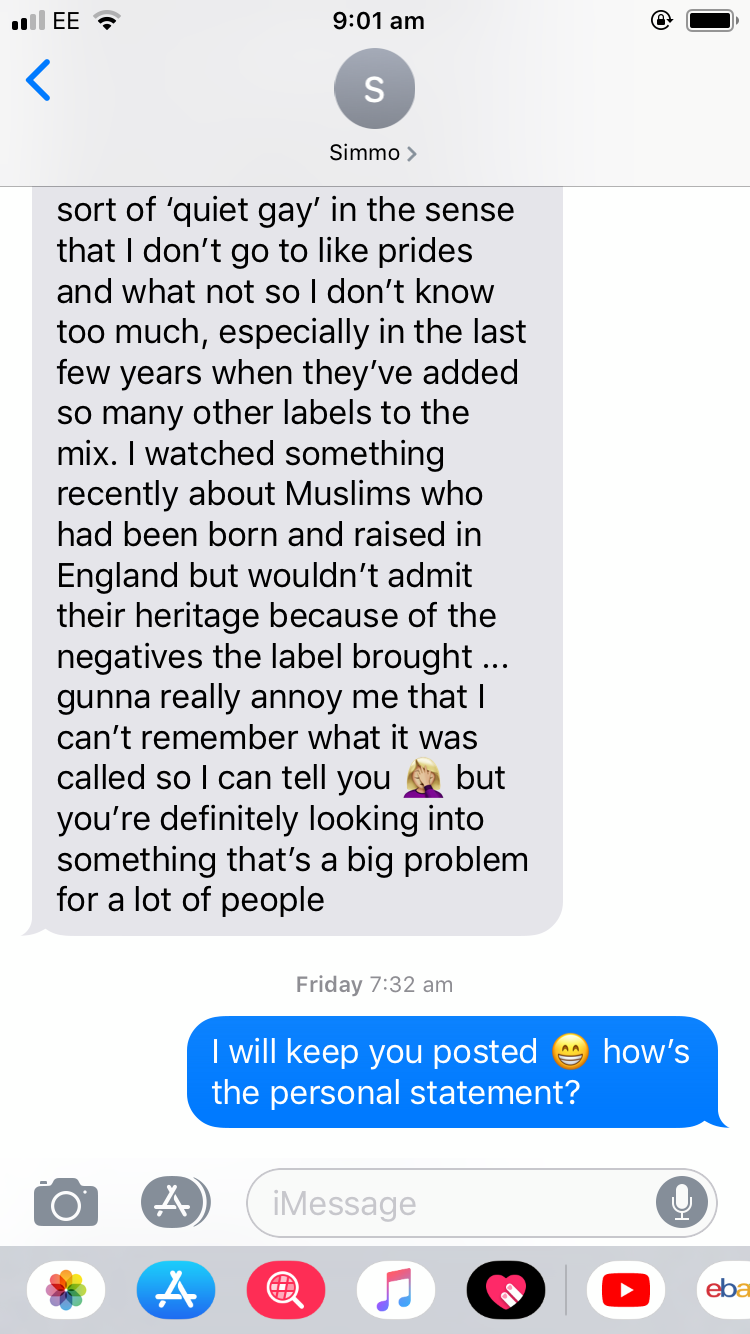
It was interesting speaking to my friend about her perception of language and it would appear that words such as Queer are now becoming more acceptable to use, I did think that this could be due to the LGBTQ+ community taking ownership of such words and taking the offensive nature out of them by owning that word. My campiagn will aim to engage all people, it will encourage the engagement to complete the phrase I AM.. with the idea of owning that statement and feeling proud that an individual is able to take ownership of the label.
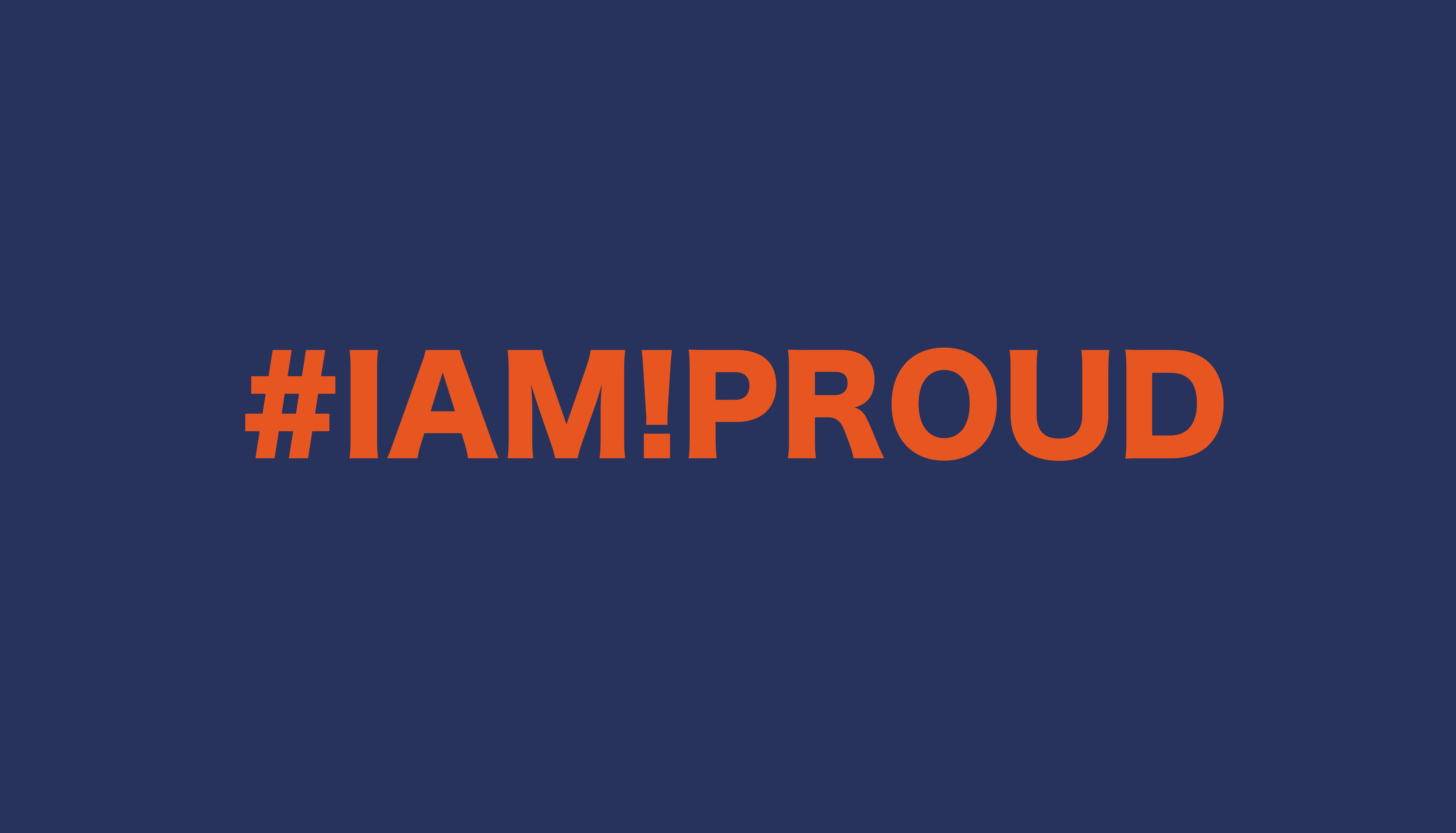
To develop this project into something less focused on image and stereotypes, a trap that I feel I had fallen into by wanting to tell a story. I started to use type and suggest our differences through the different typefaces, a scrolling #IAM!PROUD demonstrates our differences using only type and typefaces, the end frame is a statement of ‘To be what I am’ what I am. I feel that this idea could be transferred into a range of other platforms and then images could be added.

 Pixels and Serifs.