
Week 10: Case studies exploring trends and outputs of influential studios (authorship)
Reflections of this weeks lecture from Craig Oldham, he spoke about his work and inspirations as a designer. Oldham claims that Graphic Design in its purest form is boring and is not that interesting, he goes on to explain that it is the context and reason behind the designs, this is the interesting part. He explored the roles of a designer and made comments that stated that a designer should be more than the output of its clients. He elaborates, that if the sole purpose of being a designer is to be famous or to change the world through a poster you are in for a hiding. (a Yorkshire term for a beating) What I think he implies with this, and at times he was being explicit about this, to be a designer is to be interested in the world around and that at times you are allowed to explore these ideas and create outcomes that use design as a tool to a means. The outcome should not be the selling point is what he is getting at here. If we as designers are just designing an outcome, this becomes the empty vessel. We should be filling the vessel and decorating it with ideas rather than focusing on the item itself. Or this is what I take from the lecture this week and on reflection maybe I have been focusing too heavily on the outcomes rather than the idea.
When I look back at the work of this past 34 weeks (wow, that long?!) the projects where I have enjoyed myself and the design has become a secondary idea is where I have focused on the initial problem or concept firstly, then considered an outcome. When I look back at the first module and my typeface for Isambard Brunelle, the perfect circles and the straight lines, okay maybe the outcome was very similar to that of the Bloomingdales logo but the concept and process enabled me to explore ideas and use rules to generate the outcome. Similarly with the Bodmin Typeface, I was able to generate rules and follow the concept, the design followed secondary and until I become a better practitioner, this is forming the route of my practice.
When I claim a better to be a better practitioner, I mean one that is able to see the concept and problem with clarity and process the outcome to then become more aesthetically pleasing. This is something that I believe Craig Oldham does well and in his work the ‘In loving memory of work’ and as he discussed the book from the ‘They Live’ film he takes inspiration and ideas from the concept and implements this through his design choices. The use of black and white paper and the bubble gum scents he spoke about shows a more of a consideration to the film and uses his design knowledge as the output, design and the book is not the main focus, while it is the outcome, he focuses on what is interesting. He goes on to claim that design won’t save your idea. Alec has said this to me before, when taking about outcomes and ideas I maybe focused on the design of a book rather than really considering the content and the story that I am communicating. This seems to go back to week one, what am I, who am I and what is my role in this project? Thinking about my own authorship project in the Modern Histories, my role should be more of a facilitator of people and ideas, the design and the implementation of design will be dictated by the content that is created and this is too something that Oldham does well. For each project I need to consider these questions and if the answer is just a designer, I need to ask myself, how can I contribute to this more than an art-worker.
Building on last weeks ideas, the roles discussed are not limited to a design entrepreneur I believe that these a roles that a Designer should employ and I guess that when I speak about being a designer, to me it is becoming more and more about the authorship and the self initiated projects where I can use design as a tool to communicate ideas rather then just designing an output. I think that maybe this is where I fell out of love with the idea as a Designer being my title when I left university. I was not convinced I had the tools to complete commercially and more importantly maybe couldn’t see myself working on flyers, posters and coffeeshop menus. I seemed to lack the ambition and understanding of design and the roles within it and it is maybe now that I am starting to build a better understanding of what a designer is and the tools that they need. A designer maybe works in an agency and works on projects but a communicator and entrepreneur that uses design, this is a title that seems more appealing to me.
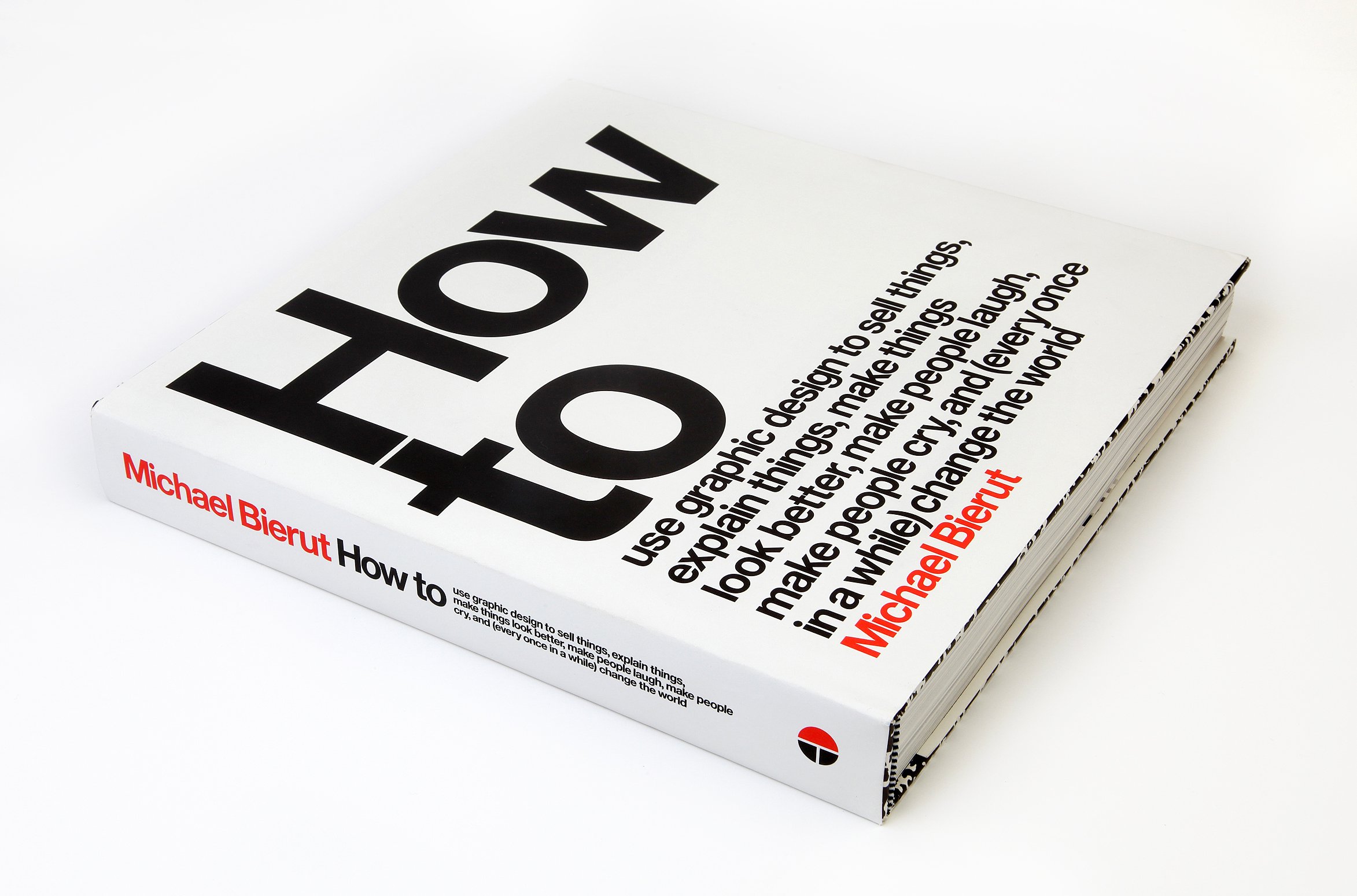
The first part of this weeks work shop challenge asked me to consider two designers or examples of authorship that have been an inspiration to me or simply that I like. First of all I started to look through my books and noticed two in particular. The first, Michael Bierut a partner at pentagram launched his book How to. This book talks about Bierut’s approach to design and his early influences. He discusses the process of individual projects.

For the second designer I chose to look at the german type designer and one of my personal favourites, Erik Spiekermann. His book Don’t work for Assholes, Don’t work with Assholes, the self proclaimed typo maniac discusses his work and design principles.


Both of these designers have reached a level of notoriety and could be classed as the legends of the game. During a tutorial this week with Alec we discussed this approach to design where by a designer can become famous and then launch a book, that is essentially their portfolio. At what point does a designer step into this realm? Other names such as Jessica Walsh and Paula Scher have reached a pinnacle of their career whereby their name is enough to grant an income or selection of clients they wish to work with. All of the above names have self published / initiated projects, maybe working form their fame they are now in a position to do so after earning their stripes after decades of service. The Principle and idea of Design practice has shifted in the last 20 / 30 years, where a designer would once pay their apprenticeship in the traditional type setting or even grafting away designing by hand, the digital era of design has moved this skill to the smaller, artisan designer, the craft maker rather than commercial work. The principles gained however through this practice have been transcended through the years into their work, understanding layout rules and the use of type these high profile designers come with an air of royalty and trust. Alec and I reflected on the idea that clients such as Mastercard and the Hillary Clinton presidential campaign are drawn to agencies such as Pentagram and designers like Bierut due to their legacey and their name is also a trusted brand. If these designers retire, who will be the next in line to take over or will clients such as Mastercard or the big corporate brands always be drawn to the Pentagrams and the Welsh & Sagmeister’s of the design world.
The second part to this weeks work shop challenge I began to think about the types of books that I would like to read and then the subjects that I would like to learn more about. I thought back to how I had enjoyed the process of researching and collecting information for my Orgreave project. This weeks top ten Ideas for further investigation would be:
Van Life: the rise of self built camper vans.
Having recently bought my very own VW T4 I have spent many hours trying to build myself a camper van, electrics and all. There is a world online of self built vans, some very interesting ideas and I would like to delve into this world to find out more, where did it start and why.
VOlkswagen and Surfing
Maybe this is linked to the above with my love of the VW brand but what is it about the little beetle and then the camper vans and the relaxed beach surf life? Was there a film that sparked this love affair?
Volkswagen: German engineering and witty advertising.
Okay, you may be seeing a little theme here but think back, how good (in my opinion) has the advertising for VW been, from the Beetle to the Golf, VW have used wit and humour in their advertising for years. Maybe less so now but I am interested in their ideas and thoughts about their advertising.
The VEspa, italian styling for a post war economy.
Like the Fiat 500, the MINI or even the Beetle, the Piaggio Vespa was designed at a time when money was short, the need for transport was great but with strict ideas of being simple, how has the Vespa and the Lambretta become icons of style?
A history of the Mod culture
Once in the main stream now a sub culture that still looks back to the good days of Northern Soul, what is the history of this counter culture?
Cornish Food & Drink
There has been a surge of celebrity chefs, quality restaurants and a buzzing foodie scene in Cornwall, where did it all start and what is the definitive guide to eating around such a thriving food culture.
Surfing in Newquay
Crowned as the Cornish home of surfing, what is the history of this small town and a international recognition for the sport.
Protest & poiltics
In light of my Orgreave project and the proposal of a platform to gather information and stories, I believe that this project would enable me to be the facilitator of these stories and people.
Northern Grit
An exploration into the attitudes and culture of the working classes in the north of england.
Madchester Music
As Peter Saville launched himself into one of the biggest music scenes of the late 80’s early 90’s he brought a unique approach to design. What made Manchester the pinnacle of music in this era and how has it influenced musicians since? From New Order, Joy Devision, The Smiths to Oasis, electronic to Brit-pop Manchester had a thriving music scene.

 Pixels and Serifs.