
WHat are the common areas of copyright process and the ethical and legal factors most commonly afecting graphic Designers?
To start this week’s task I first needed to clarify key ideas such as Copyright and Intellectual Property. While I understand what they are and how they can affect the work of a designer I needed to identify a deeper understanding and I hoped this would give clarity to some of the ideas that had been circulating around this weeks workshop challenge.
The exclusive and assignable legal right, given to the originator for a fixed number of years, to print, publish, perform, film or record literary, musical material.
Copyright.
Intellectual property rights refers to the general term for the assignment of property rights through patents, copyrights and trademarks. These property rights allow the holder to exercise a monopoly on the use of the item for a specified period.
Intellectual property rights
The copyright law originated in the UK from a common law concept: the statute of Ann 1709. It later becomes statutory and the copyright act of 1911 was passed, this was later amended in 1988. The law aims to protect the creation of literary, dramatic, musical, artistic works, sound recordings, broadcasts, films and typographical arrangements. The act protects the creator of content in giving ownership of the material and powers to suggest how the material may be used and distributed. Copyright occurs naturally when an individual creates a work. There are some parameters to this: the work is to be regarded as original and exhibit a degree of labour, skill or judgement. The author of the work is considered the exclusive owner unless this is created under employment or instruction of an employer. Designers may feel that their ideas and designs are theirs, however if working for an agency, company or business the designs would legally be under ownership of the employer.
This weeks workshop challenge asks that I should consider: a designed object and highlight the key areas that may infringe the copyright or require IP protection. My initial thought was that catwalk designers see versions of their work or exact copies in the high street a few days or weeks after. In the USA, copyright infringement only applies to the brand, not the garment. The approach is that clothing is a utility and is not subject to copyright infringement. Despite that, a designer has had to create and design the pattern and the cut of a dress for example. There are cases where I can see that this free approach to clothing can be restrictive. for example, there can only be a handful of material patterns for a t-shirt, if you owned that you could claim a monopoly on all t-shirts being made. Same situation with the suit pattern or cut. The style of the suit is not subject to copyright but it does have an element of contrasting ideas. A designer dress has been created, designed and produced. It is the works of an individual, an expression of. If this were a painting or literary works then copyright would stand to protect.
Trademark law is not about prohibiting copied designs; it’s about prohibiting copied“labels” that mislead consumers into believing a copied design is an original. … However, clothing designs generally only gain trademark protection in the long term, after widespread sale and advertising.
https://www.newmediarights.org/business_models/artist/can_you_copyright_clothing_designs
The law set out suggests that it aims to protect works that are original and that they exhibit a degree of labour and skill. I bring back this issue of copyright with regards to the catwalk fashion and high-street brands copying. It is interesting then to consider that there have been cases where fashion designers have claimed Intellectual property over a colour or how it has been used. It can be argued that the colour red on drinks-can would suggest Coca-Cola and the use of this colour has been building around the brand but colour cannot be subject to copyright despite it formulating the identity of the brand that is the connection to the source of the product. This is where a trademark would come in; the brand can claim a colour as trademark not copyright. A brand is free to use a similar red along as they are not claiming to be selling Coca-Cola. At least this is my understanding of all this.


Further research has highlighted cases where brands have openly copied strategies, products and even business models from other brands. The charity-based shoe company Toms, whose slogan is ONE for ONE aims to give a child in need a pair of shoes after a pair is purchased. This ethical business model has enabled Toms to generate a following that sees the genuinely good work being done by the brand. The shoe brand Sketches, on the other hand, copied the business model and strategy, selling identical-looking shoes to that of the Toms shoe, they too were offering one pair to a child in need from deprived areas of the world. Did I begin to wonder then at what point does copyright or even Intellectual property right come into play here? The business model and product have been copied and for profit. Blake Mycoskie, founder of Toms suggest that he isn’t too concerned and suggest that more companies should be doing something similar. Is this theft of an idea?
Another point that was raised when investigating this weeks workshop challenge was the use of slogans, artworks or images in the fashion industry. A small business owner was at the end of a case where a large fashion brand had copied her slogan and concept for a clothing line. Carrie Anne Roberts, the British designer behind the clothing brand Mère Soeur. The t-shirts were copied by Old Navy who claimed that the designer did not own the rights to the slogan, typography or design of the t-shirt, Old Navy then stated that the designer had zero rights to the idea and therefore was not protected by copyright. Street Artist Revok took H&M to court over claims of copyright use of his artwork in their advertising campaign. H&M stated that they had used an agency to source the location and that with permission from the local council that the artwork was there illegally and was free to use, there was no infringement of copyright.

These instances are just a few of the cases that I had found where designers had been copied, materials had been used without proper permission and the letter of the law had been so rigid to neglect the intellectual creativity and production of original material. The laws as I understand them do not go far enough to protect the originator in these instances. In the case of Revok vs H&M, I appreciate that the illegal nature of his work leaves him venerable to expoitation but there must be a way of protecting himself in a way that is supported by the law.
The protection of copyright in the work of a graphic designer comes down to a series of factors. As with any case a generalised law aims to protect the many but opens up vulnerability to the few. There are cases where artist and designers have been exploited by large corporations, the law should protect, and in the case of Revoke the nature of his work opened up the vulnerability to exploitation. Working for businesses under a contract of service the ownership of material is not held with that of the creator. This can differ if content is created from a freelance contract, but then again this should be discussed in the contract of agreement and terms of use. The laws of copyright do not take into consideration the ethical choice and consider a true meaning of the law. In the case of Revok, his work should be considered as copyright as it exhibits the creativity and a degree of labour or skill. The legality of the content then plays a major part in the unfolding of the copyright law. Designers should consider the usage of content created and develop their terms of usage in the contract if working freelance or privately for business. To protect themselves, designer must consider a range of moral and ethical implications when selecting work and using elements such as typefaces. Contracts should be clear and identify the ownership of whole elements or concepts. As a designer the licence to use a typeface is for the purpose of the individual. The use in commercial use can require additional licences to the client instructing the works. It is a mind field of legality and a consideration that may not be at the forefront of many designers mind.
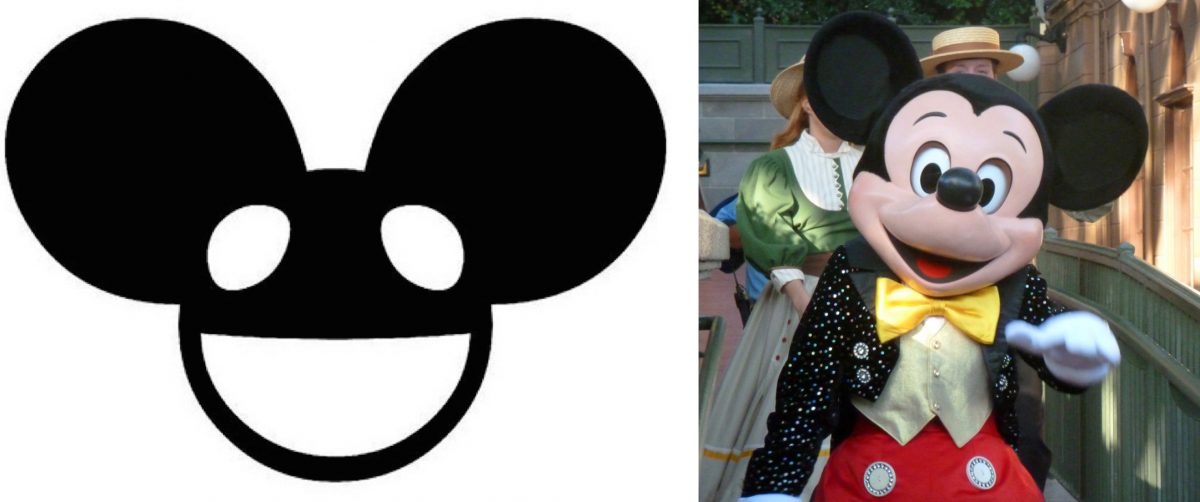


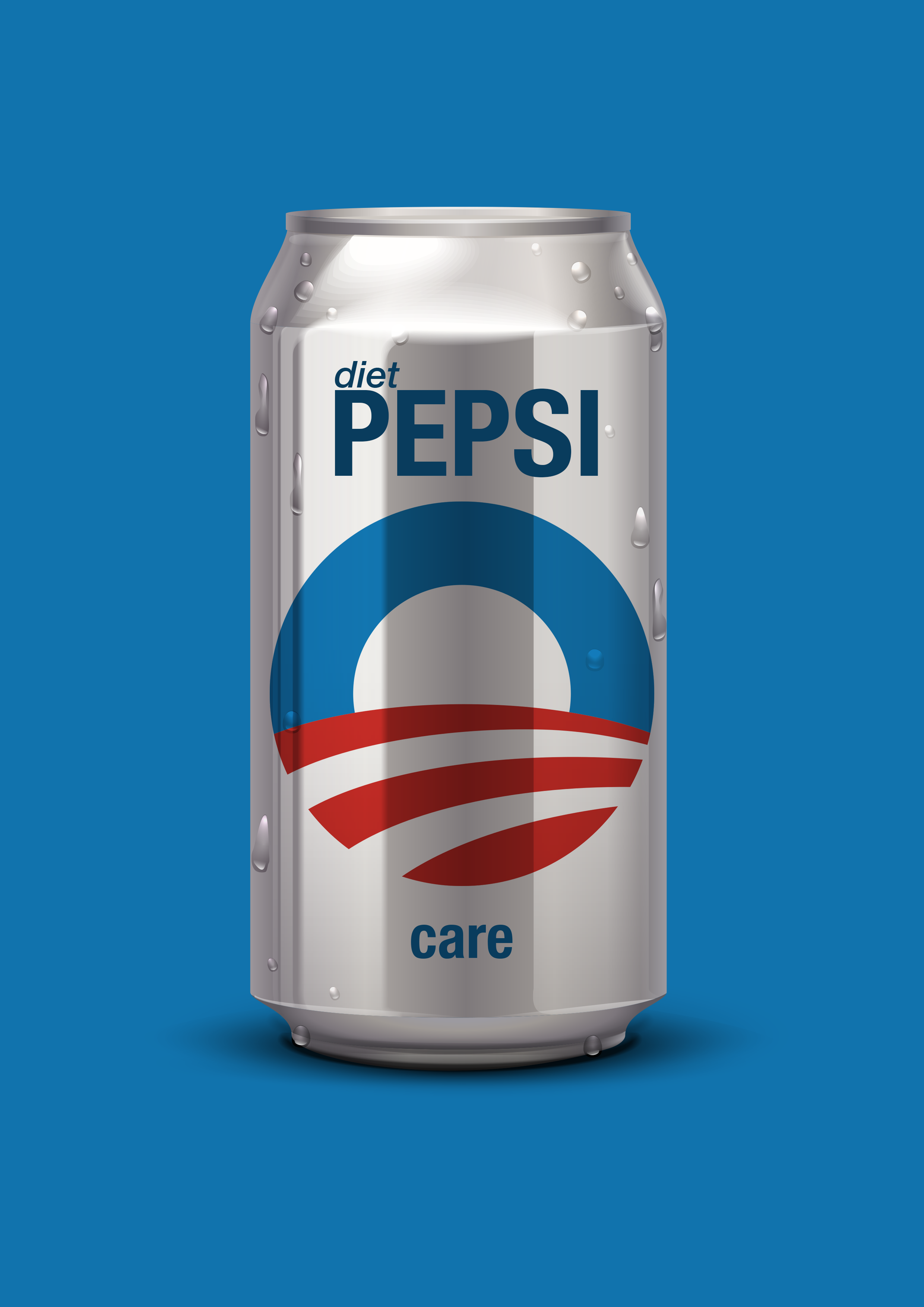
Present as a designed piece, incorporating an image of the chosen design and a typographically designed list of key areas.

 Pixels and Serifs.