
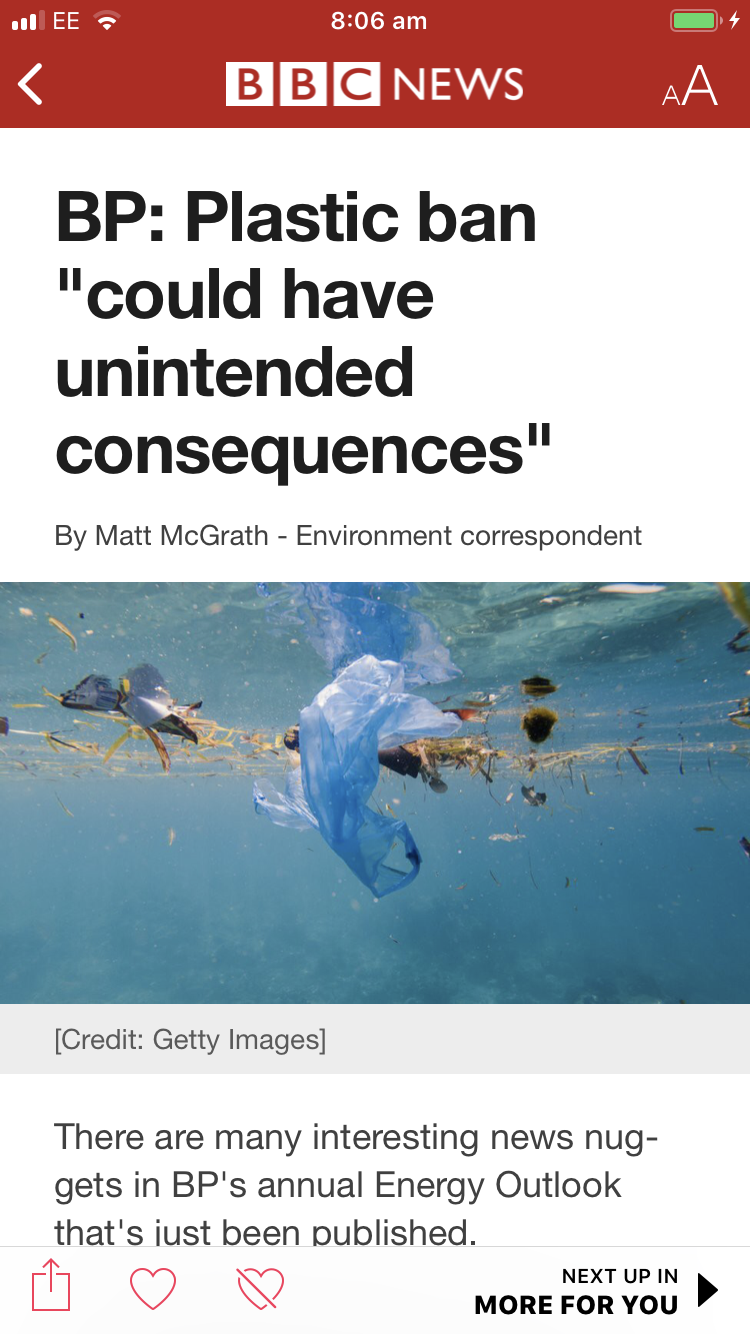
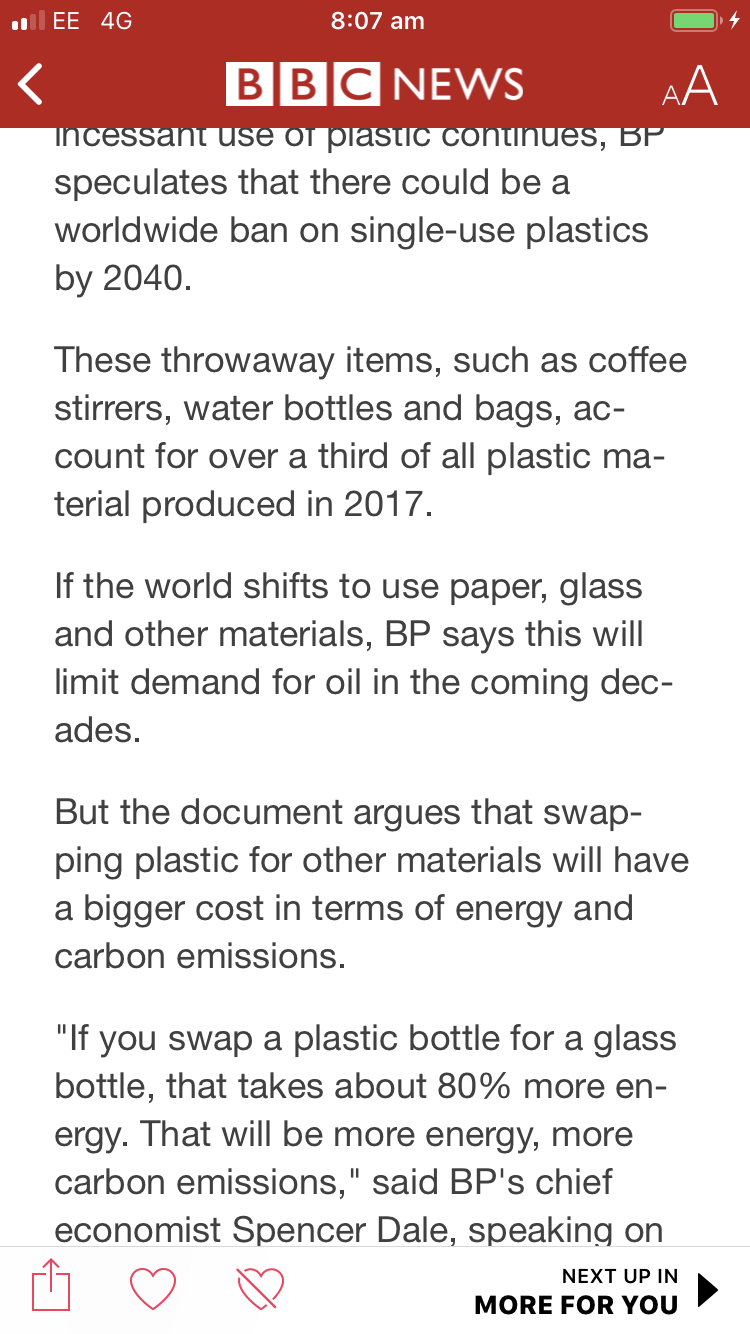
Reflecting on last weeks work I have been going round in circles as to the approach and it took me some time to get into a rhythm with it and feel that I now understand what I need to explore further. I will continue to do this and aim to develop something animated as this will aim to bring an interactive element and engagement with the data. This is an idea that I will aim to bring into this weeks task. Joe spoke about the audience being involved and suggested that I need to focus in on one idea or target to really deliver my message. For this weeks task, I was drawn to the news story of students demonstrating, striking from lessons in response to the lack of effort that the government has put into climate change. This is something that I have previously looked at and with the GCSE that I teach and certainly, my location it is a big talking point. I started to read around the subject and had begun to take note of published papers that aimed to give a synopsis of where we are and what needs to change for us to preserve our planet. BP had published a paper suggesting that our climate would be worse off if we were to switch to other forms of packaging and remove plastics from our economy. The argument here is that materials such as glass are heavier and therefore would create more carbon emissions during transit. The report goes further to suggest that paper production has impacts on the environment to this effect. The cutting down of trees from non-sustainable sources would have detrimental effects on ecosystems and have no real impact on the climate, in terms of improvements. Other papers published made reference to the governments initiates 20 years ago for motorists to switch to Diesel cars as they produce less C02 emissions than petrol. They did not foresee the effects of this in terms of the nitrogen oxides that are emitted. There is a range of problems that have brought us to this critical point, a crossroad that needs to see significant change, and this is what I have been exploring through this weeks workshop challenge.
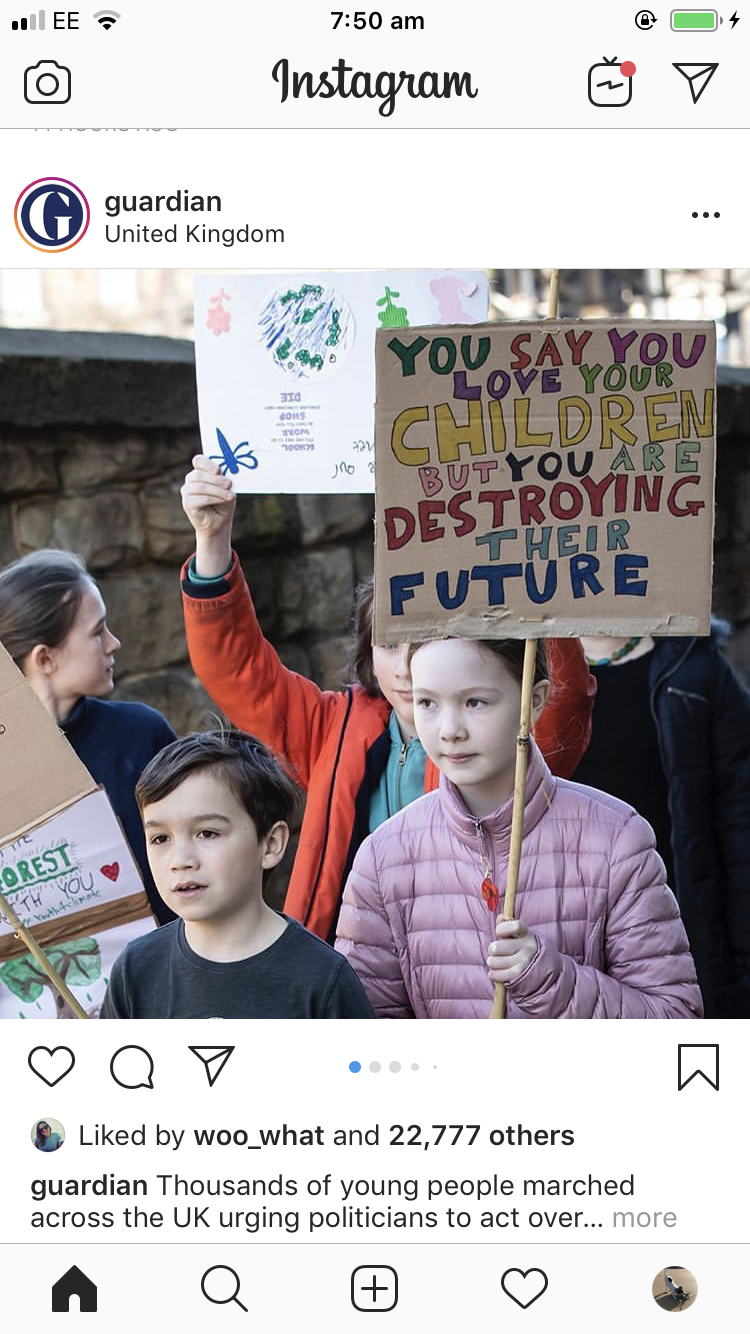
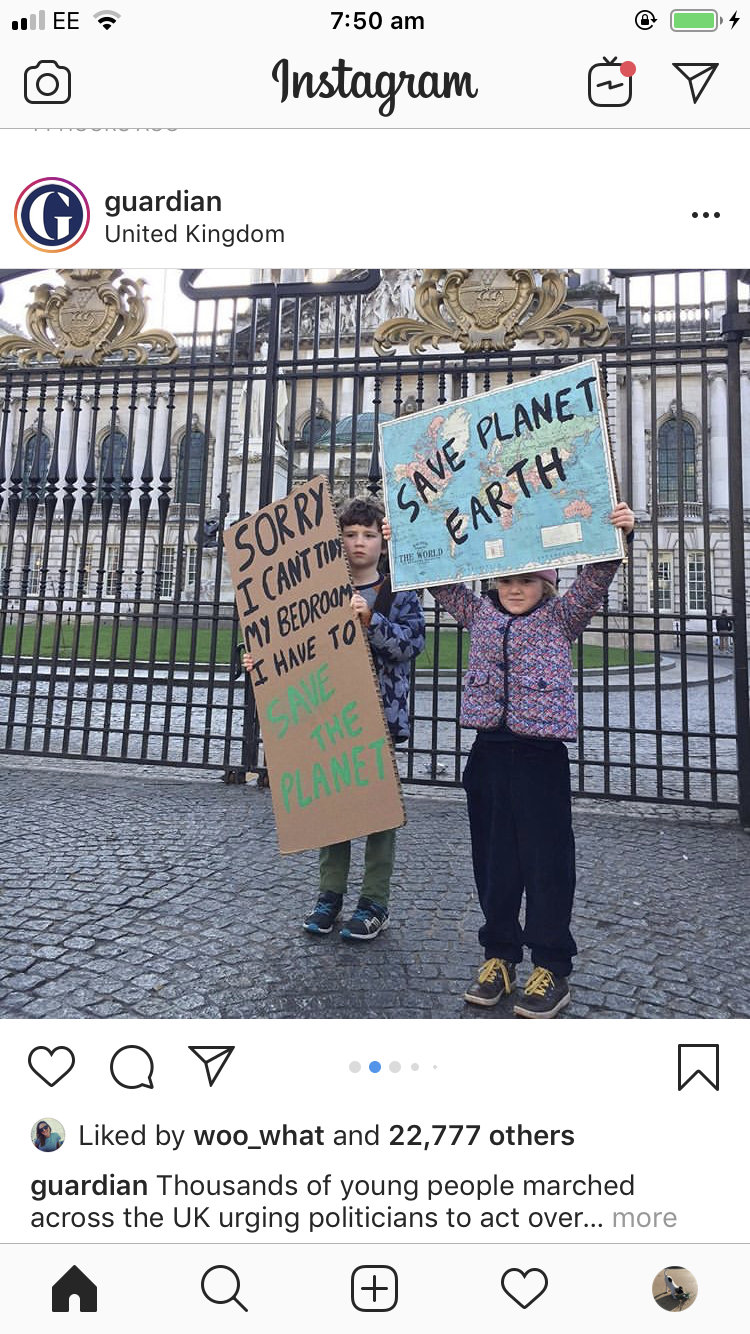
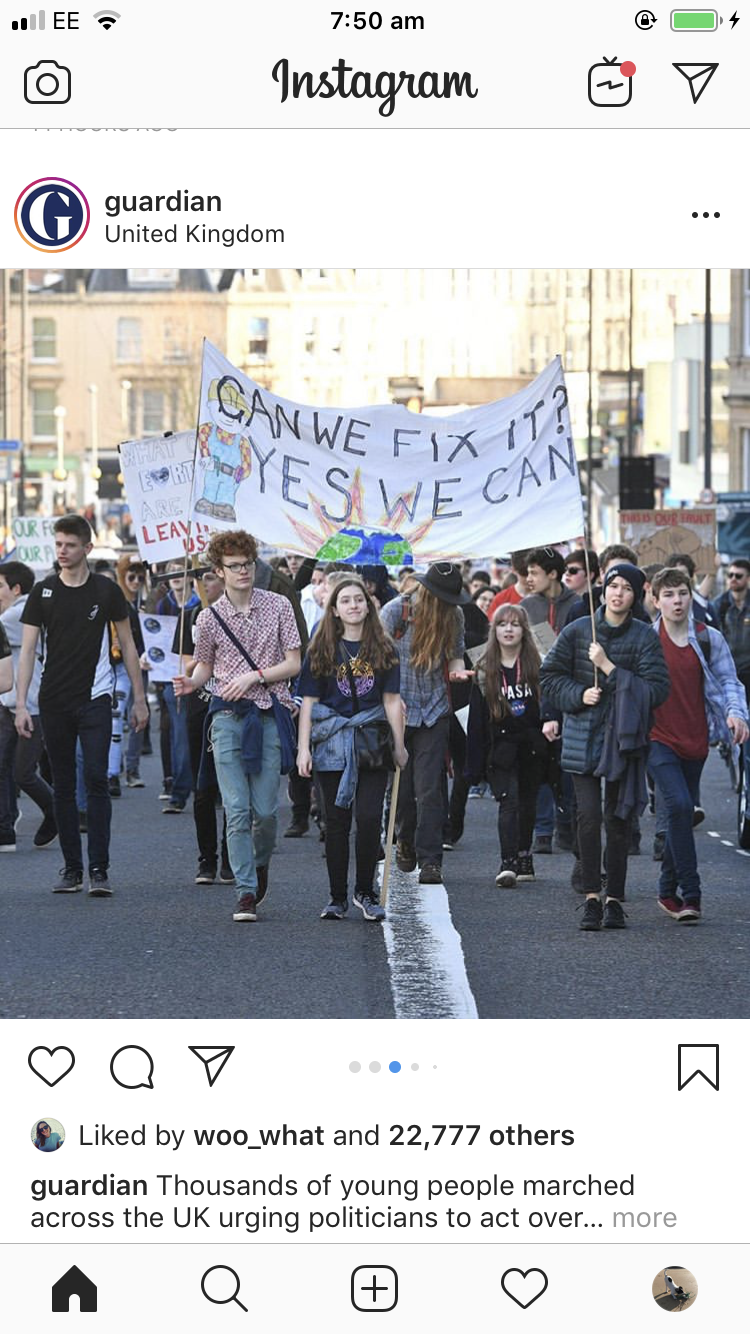
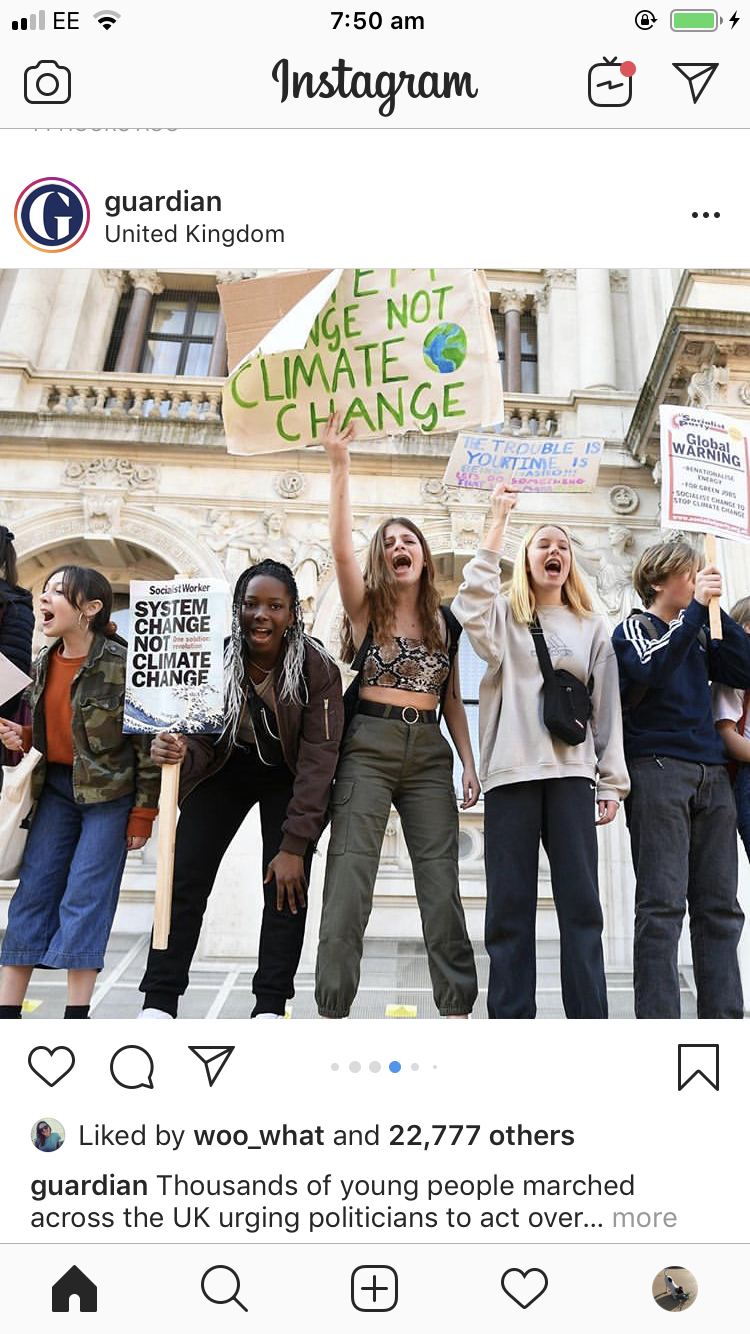
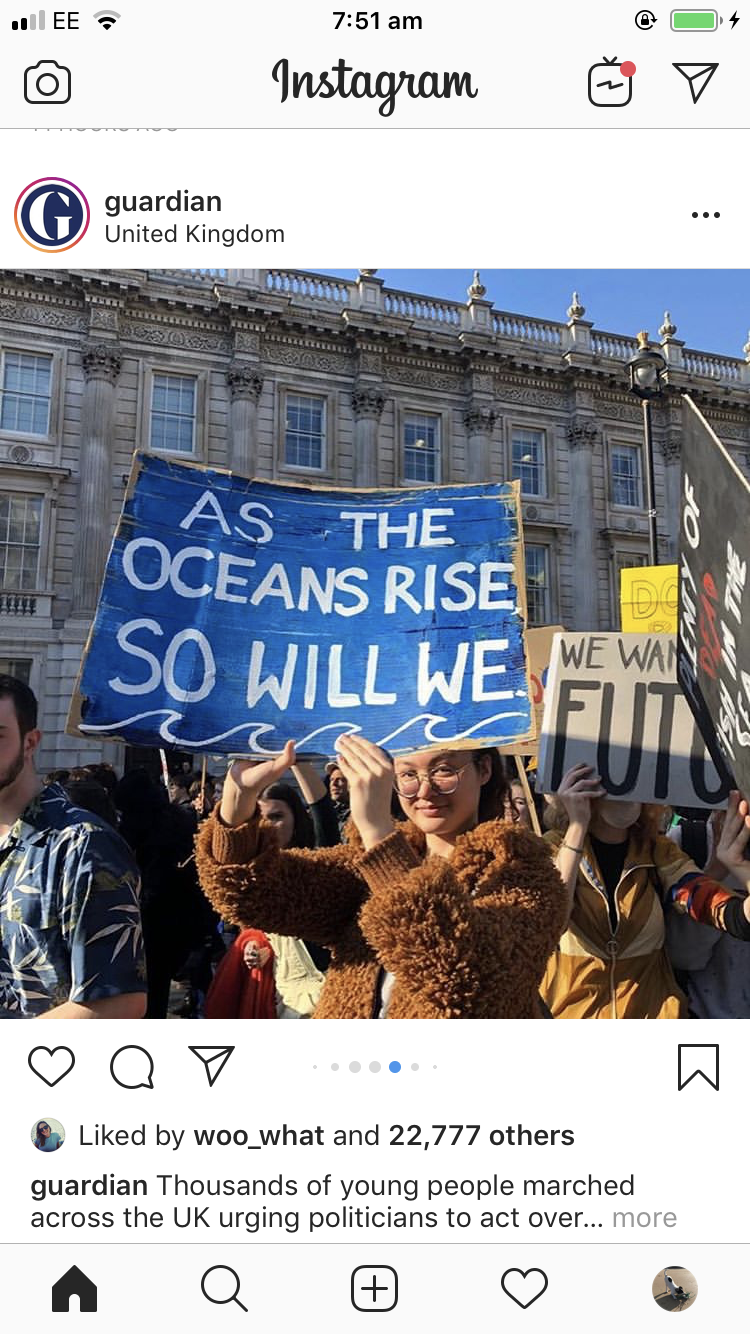
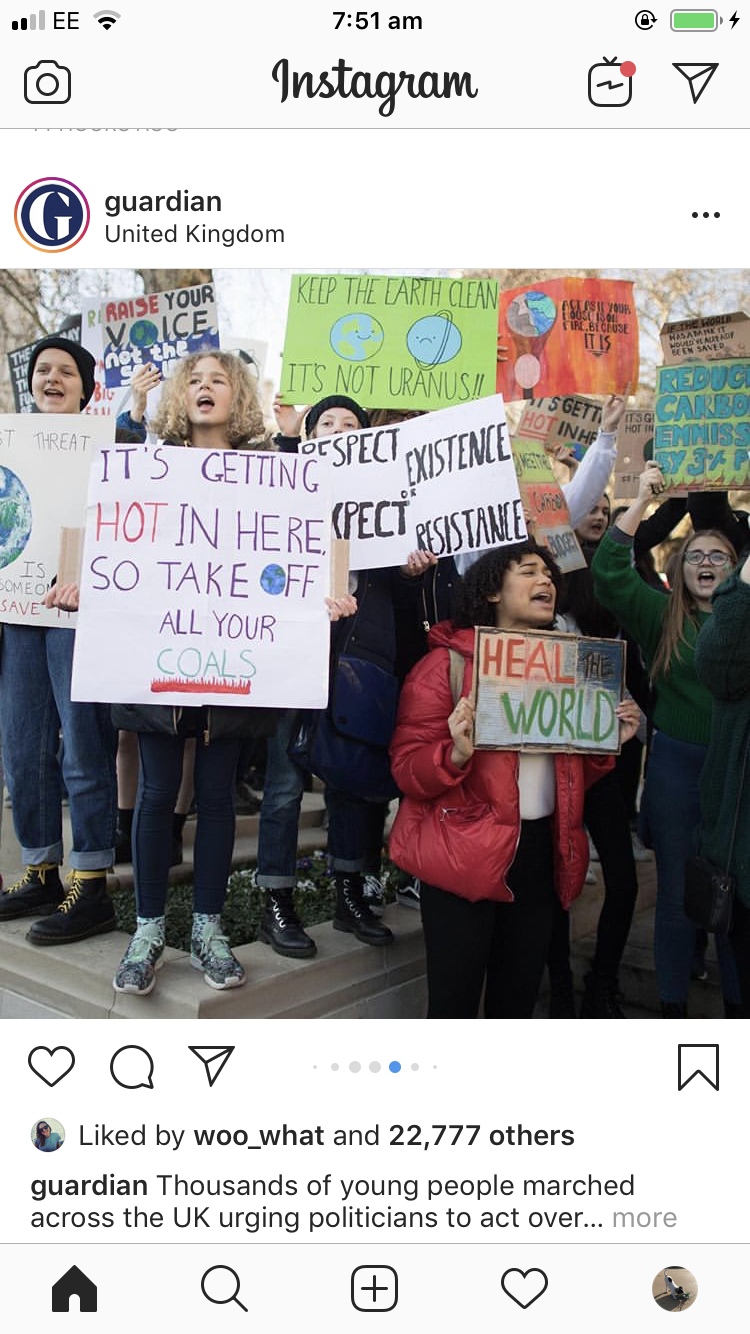
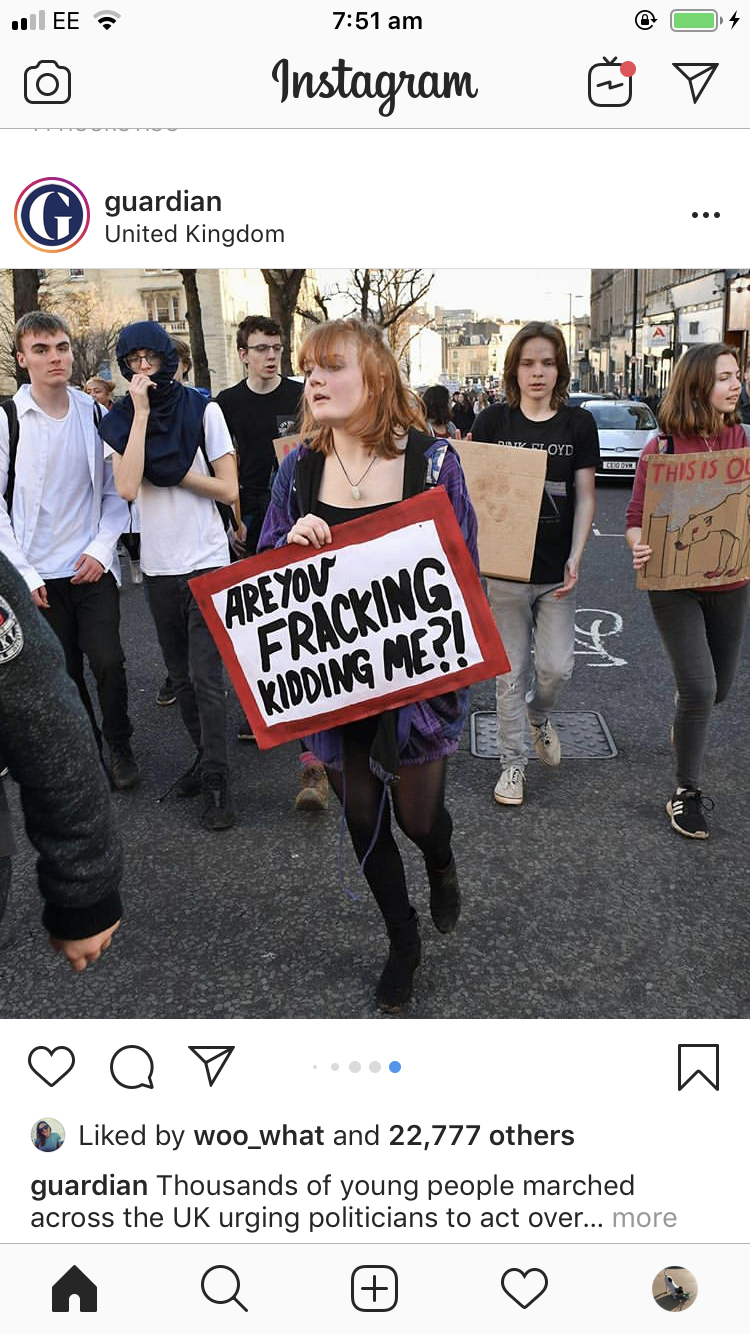
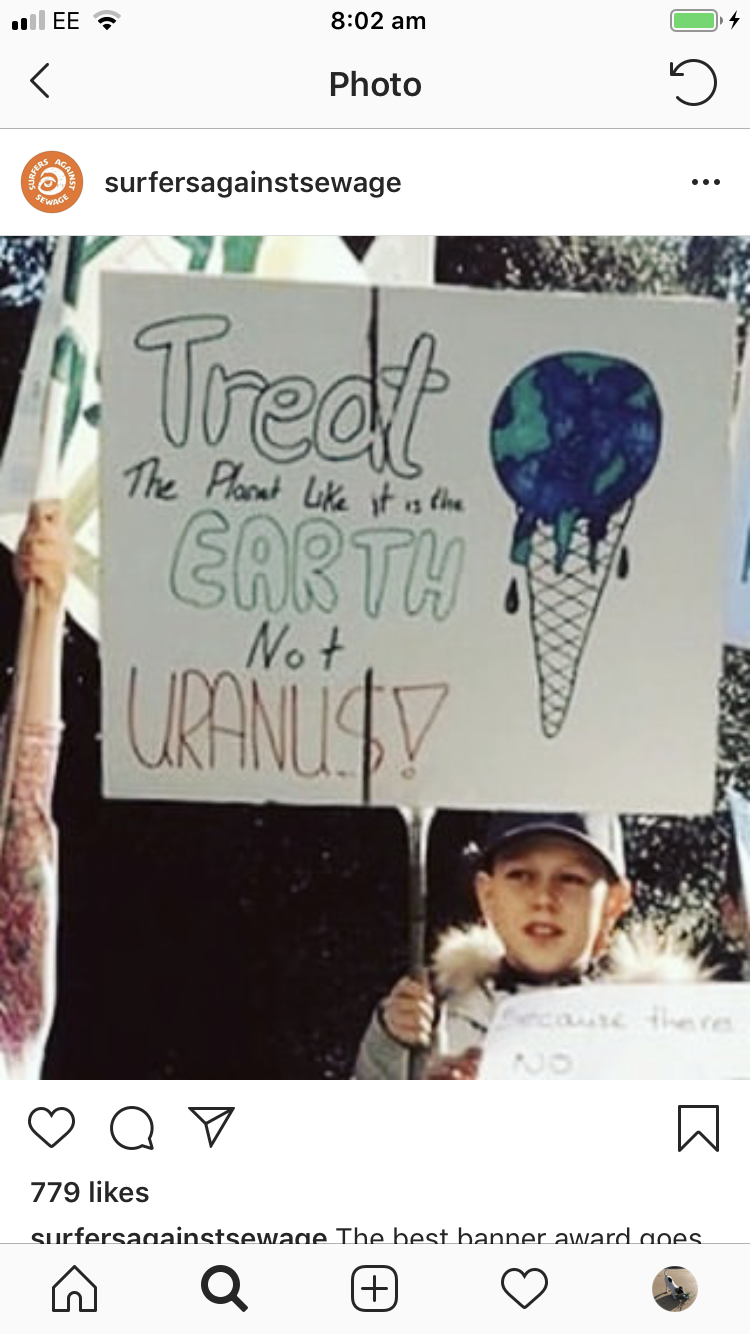
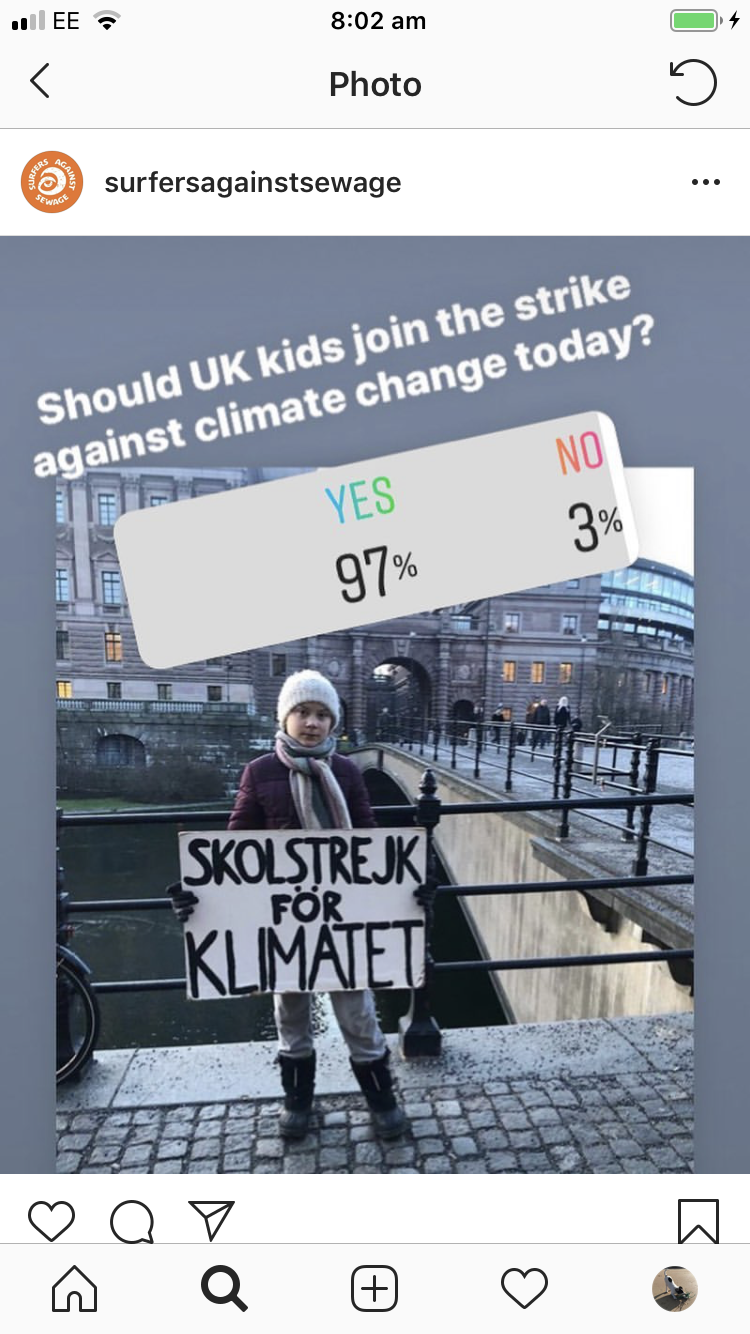
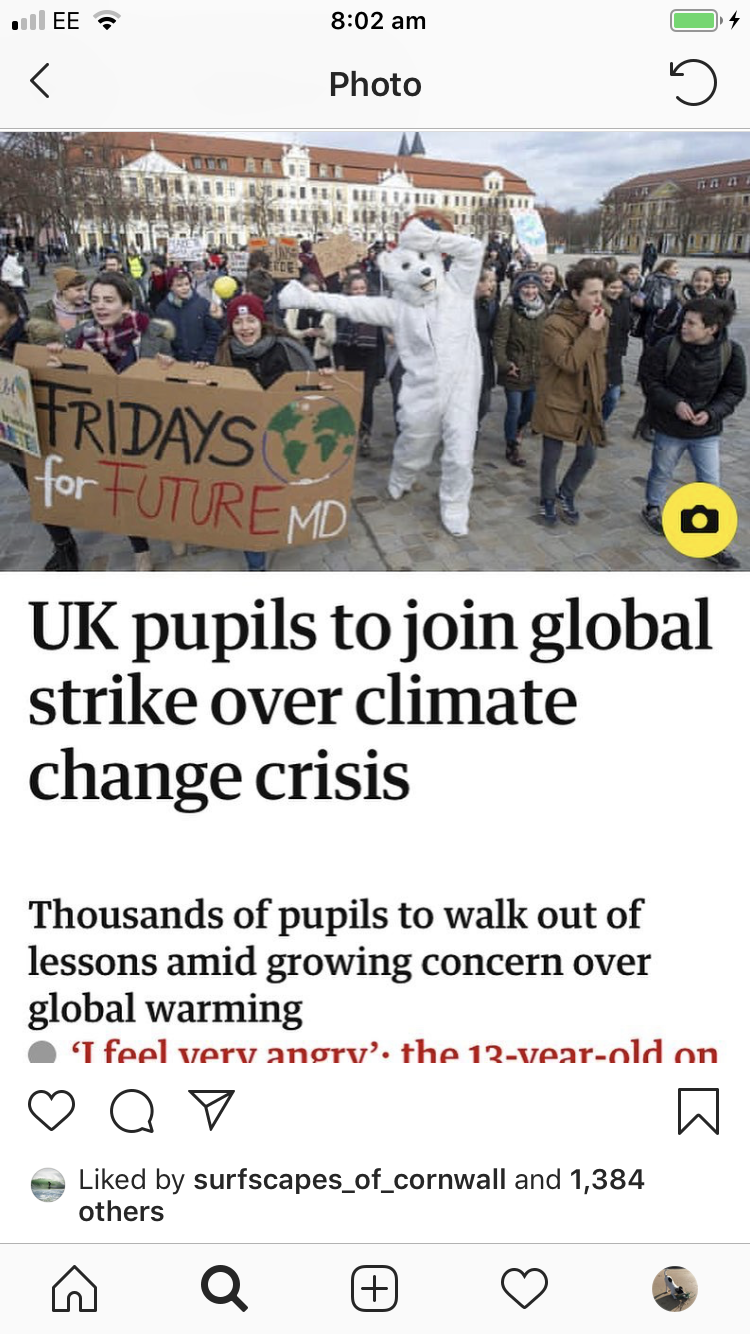
The news story of students taking part in a global strike had sparked this investigation and my research had been wide and varied. I had tried to gain some insight into the issues revolving around climate change but the hot topic is, of course, oceanic pollution and the influx of plastic washing up on our beaches. This is common all over the world and everyone has their opinion on the subject so I was interested in both sides to the argument. There is no doubt that we need to reduce the amount of plastic we use, we certainly should be looking to recycle it more, this is another issue of its own. But there are instances where it could be argued that single use or just plastic objects have their place. Kate Sang, Professor of Gender and Employment Studies at Heriot-Watt’s School of Social Sciences, argues that plastic is essential material to many, she suggests that this idea is based on equality and that in some cases the use of single-use plastics is unavoidable. The Heriot-Watts university published a paper that aims to argue the case for plastic and its use in society, It backs up the claims suggested in the BP paper.
Food packaging is another area where many campaigners want to see an elimination of single-use plastics, for example, grated cheese or pre-chopped onions. However, ready meals, pre-prepared vegetables and other prepared foods enable many people to eat well who otherwise may struggle to prepare meals. We need to move away from ideas that convenience is laziness when in reality convenience means independence.
Kate Sang, Professor of Gender and Employment Studies at Heriot-Watt’s School of Social Sciences,
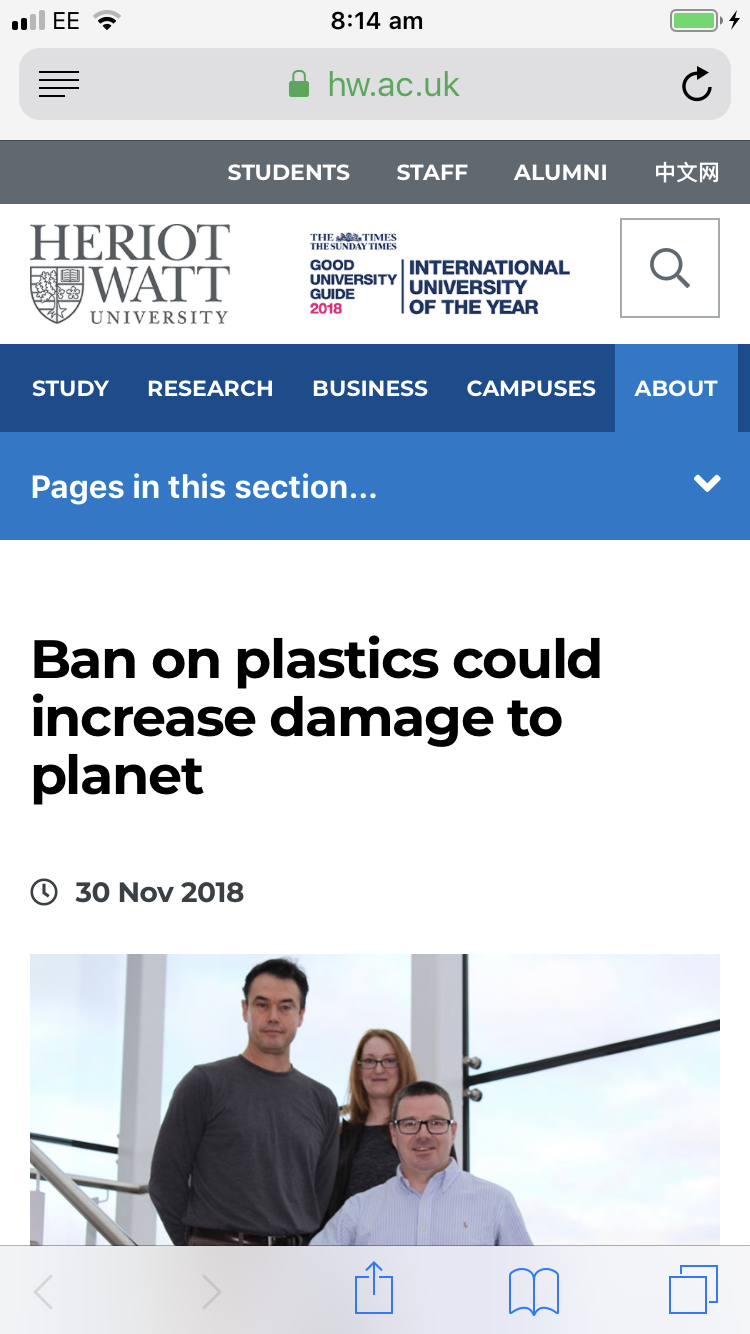
“There is a problem with plastics entering the environment and that needs to be addressed but we need to look in the right places to find a long-term solution. Banning plastics is not the answer, efforts should be directed towards creating a circular economy for plastics that integrates product design, use, recycling and reuse of plastics to reduce indiscriminate disposal.
Professor Ted Henry, from the Institute of Life and Earth Sciences School of Energy, Geoscience, Infrastructure and Society at Heriot-Watt University
These views had been shared with Vanessa Grondin and David Katz through a series of ted talks that I had watched this week. The idea of removing all plastics is a monumental task and one that I doubt I would see in my lifetime. Katz suggests that the last thing we need to be doing is removing the plastics from our oceans. He goes further and gives an example of an overflowing sink. The last thing we would do is mop up the water or place buckets under this. We turn off the water. We need to do the same with plastics and turn off their stream into the ocean. Katz had developed a social enterprise in deprived areas that enabled people to trade in plastics for commodities, banking points enabling them to support themselves in a sustainable way. This programme enables individuals to purchase cooking fuel or internet access, collecting wase material and cashing it in. The material is then processed and sold to be repurposed and made into other products or materials. This operation takes place in deprived countries where the waste issue has become such that it is detremental to health and ecosystems.
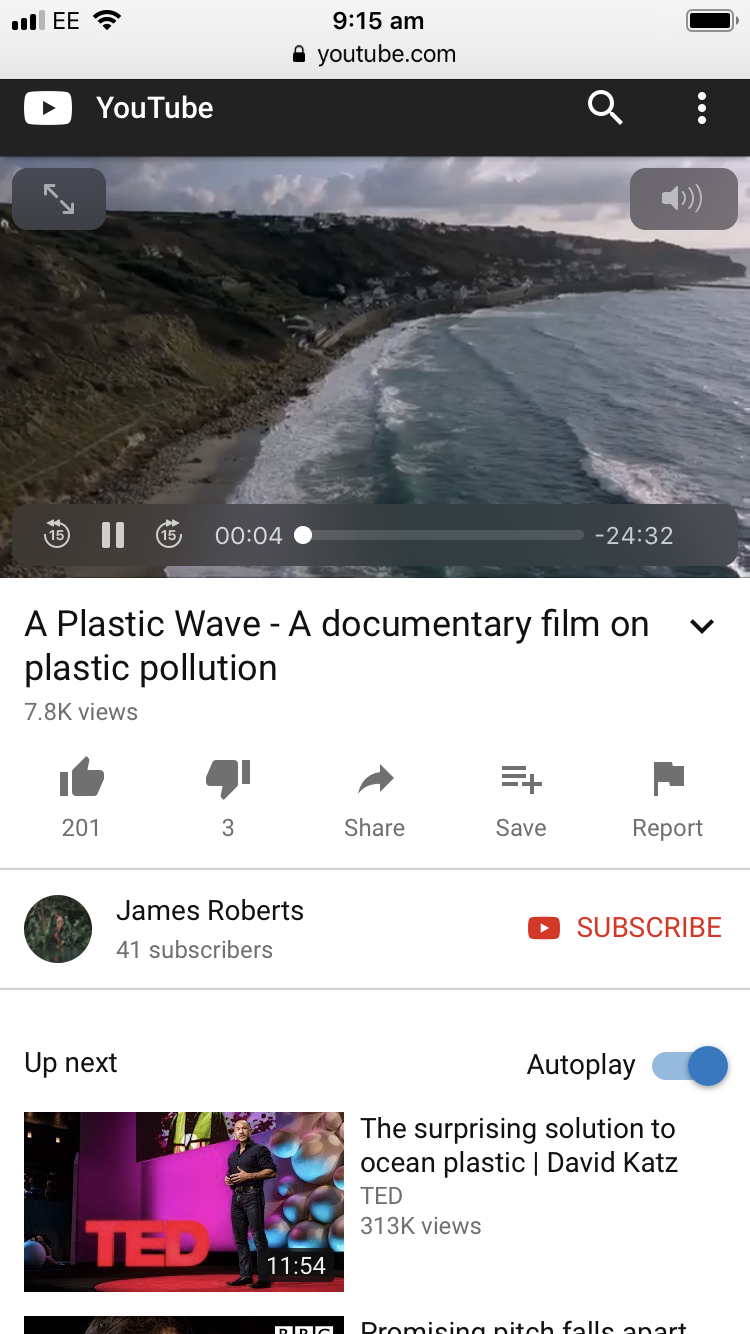
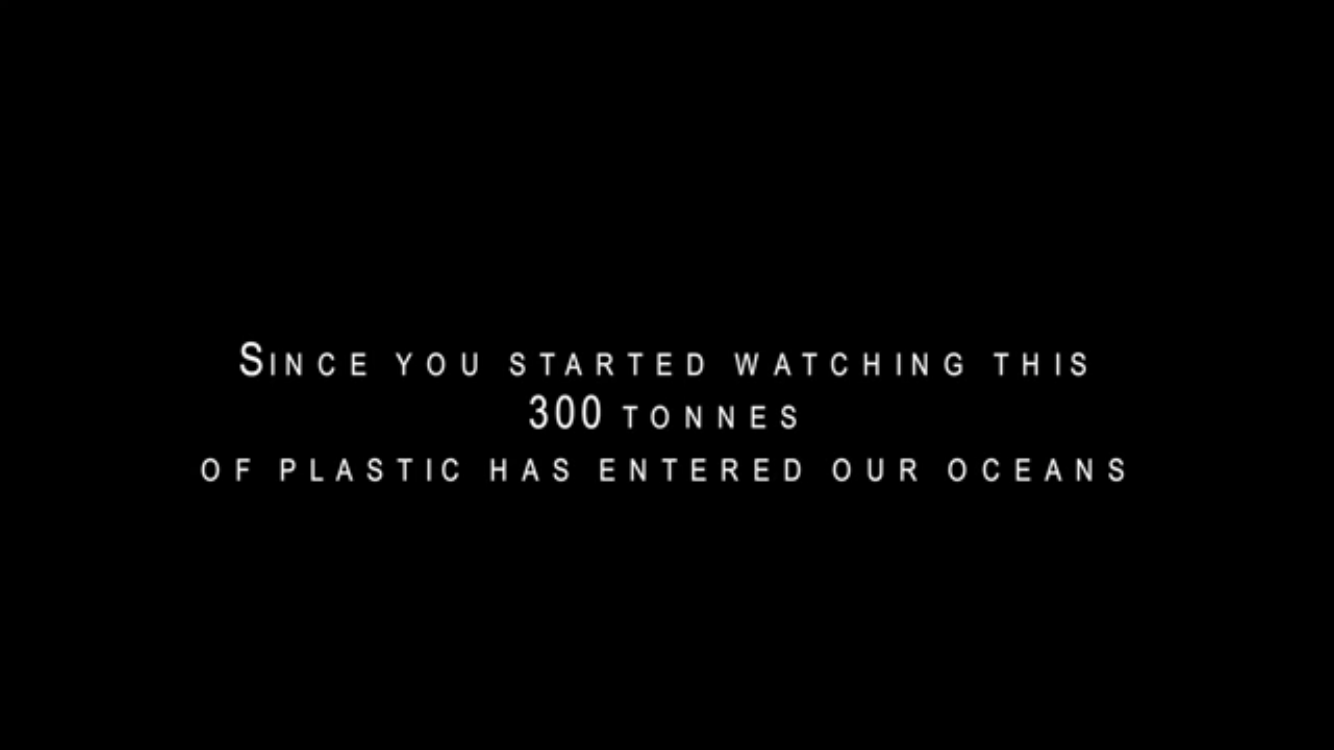
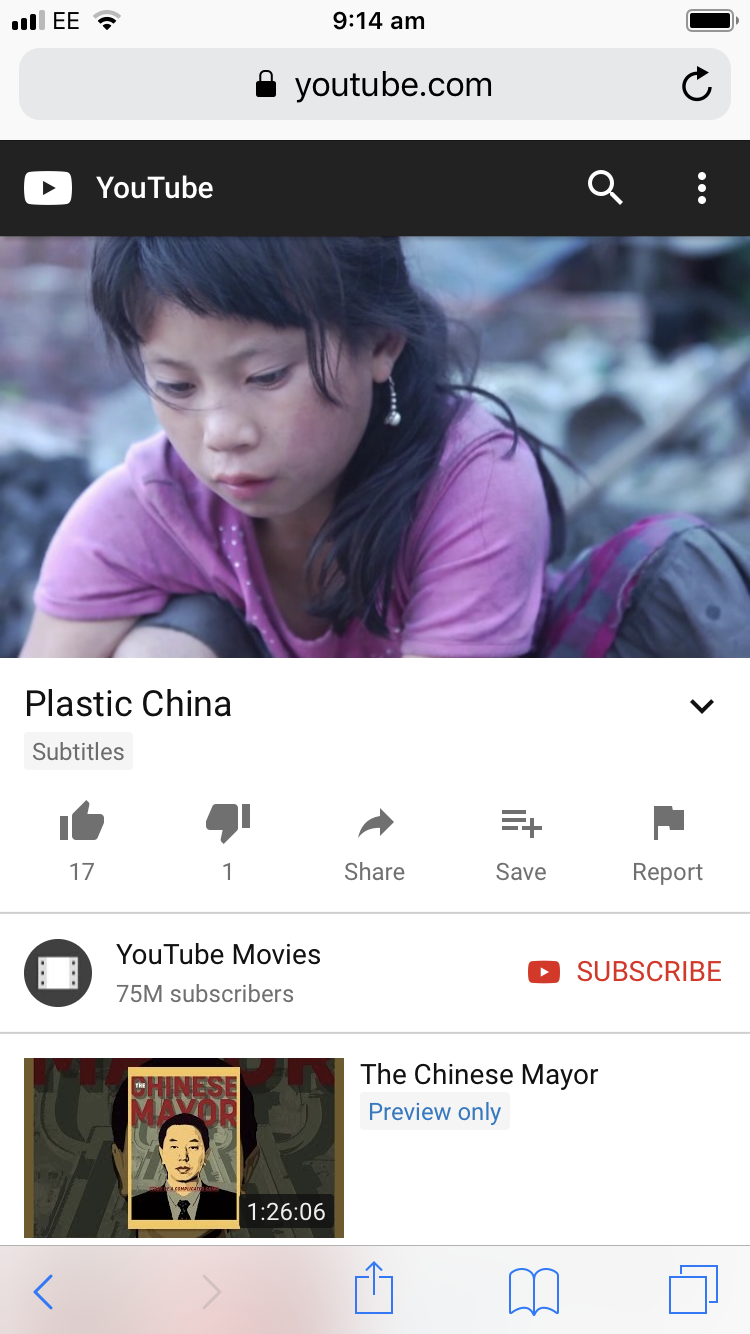
One person trying to make a change is James Roberts, a Cornish surf instructor, beach cleaner and one man trying to make a difference. In his film, A plastic wave: comments on the changes he has seen in our oceans in the last 15 years and travels to Mumbi to compare approaches to this issue. In the film, he speaks with locals who suggest that plastic pollution is not their problem and refuse collection does not enter some parts of the city. Plastic is strewn across the streets and the river is littered with rubbish and plastic. Roberts did meet some people who did not share their view and were taking steps to change the reality of their surroundings. A daily beach clean is an endless task that resembles groundhog day, but locals are out collecting and removing the litter from their beach. This inspiring film talks about the impact that this is having for our marine life but also how this is affecting our health. Making comparisons between this and the blue plant film it is clear that we must change our ways but I think that more needs to be done, we need to change the mindset of more than a handful of good Samaritans who volunteer each weekend to attend beach cleans or who take steps themselves to reduce their plastic waste. There are inititives and ideas out there that support change and present alternatives to single use plastcs, people are listening and slowly change will happen. This weeks research has thrown up numbers, statistics and data that is just not comprehendable or relatable to most. The data needs to be visualised and presented in a way that Florance nightingale did in 1855. The images of reality is having some effect on peoples mindset but does it go far enough to make a big change?
Two other podcasts that I have listened to this week make comments on our ability to digest big numbers and climate change. While fish can appear to understand volume and process numbers, we humans have some difficulty visualising large numbers and this was very true of the case of Leonard Vs Pepsi. The Pepsi company encouraged consumers to gain Pepsi points for collecting bottles, in their advert, it was suggested that you could gain enough points to win a jumbo yet. When Leonard purchased enough bottles to do so, Pepsi soon realised that the cost of the jumbo jet significantly outweighed the cost of the Pepsi Bottles. Pepsi had to argue in a court of law that the advert was not factually correct and that it changed the numbers. Pepsi eventually won the case but here is an example where we humans are not always able to visualise or come to terms with huge numbers. The podcast also suggested that significant climate change could be in need of a Public Relations overhaul, it too argues that politicians could do more to change but a lack of ambition and a clear understanding of a very difficult problem is a route of this lack of change. This is where I will aim to focus my work in this week’s tasks. Not to make sense of the data but to use the data in a way that aims to address a focused group of people to make a change, to think about the future generations that took action and went on strike. I aim to explore this issue of plastic pollution and its effects on our health.

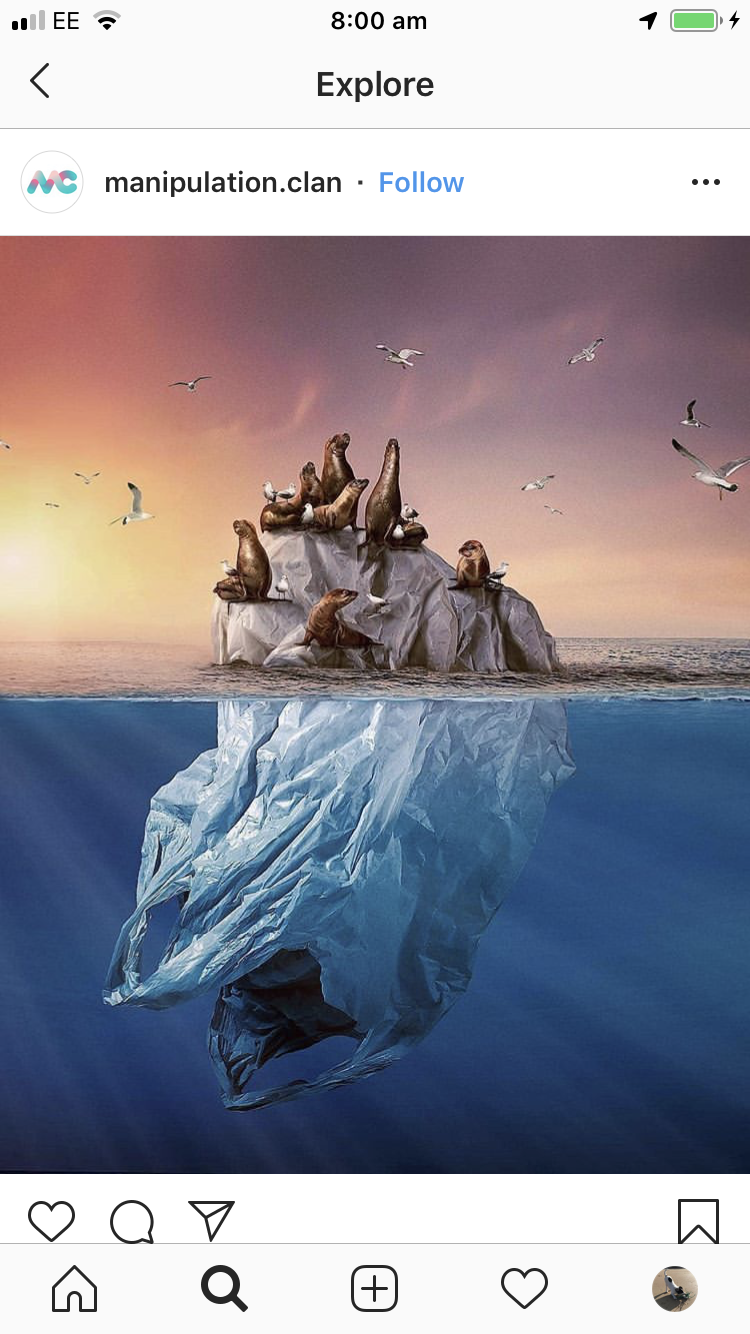
My focus this week will be to explore ways that I can visualise the influx of plastic that will have an impact on the way we see food and take note on how the change in climate and pollution is affecting our food chain. There are already a series of interesting campaigns out there that use the image as a strong statement. There are a shock and awe factor about these but also a simplicity and clarity of the message. These design ideas had sparked a style that I thought would be good to use, maybe part of the Surfers Against Sweage campaign, their emphasis is the image and that is what I am to achieve this week.
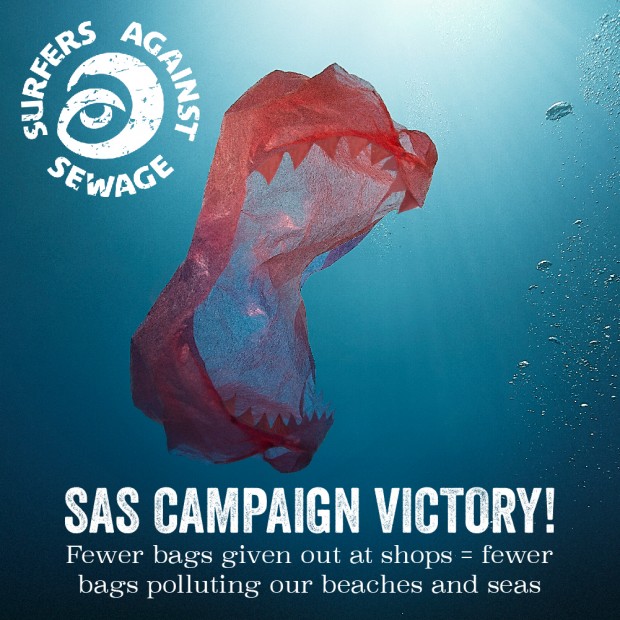
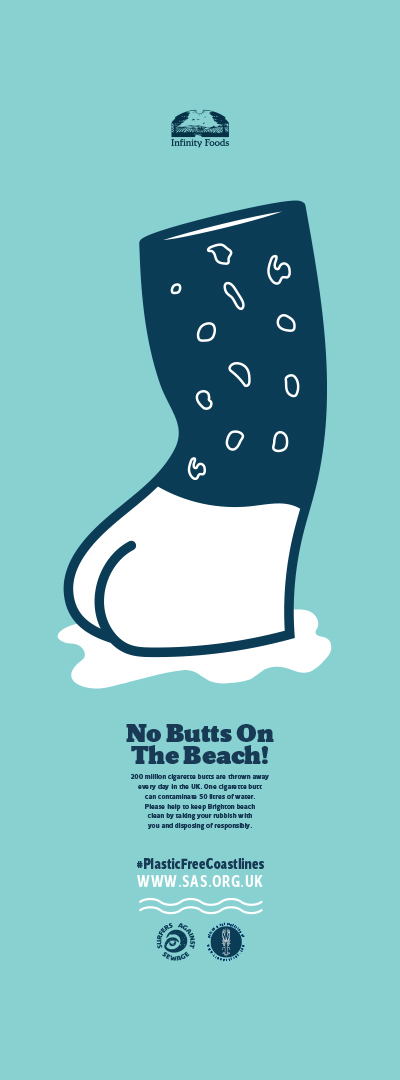
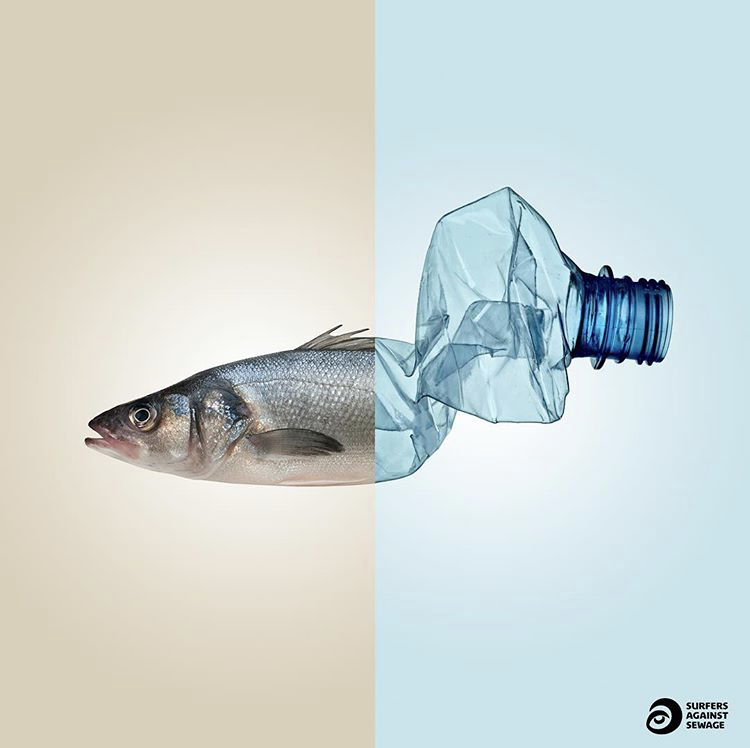
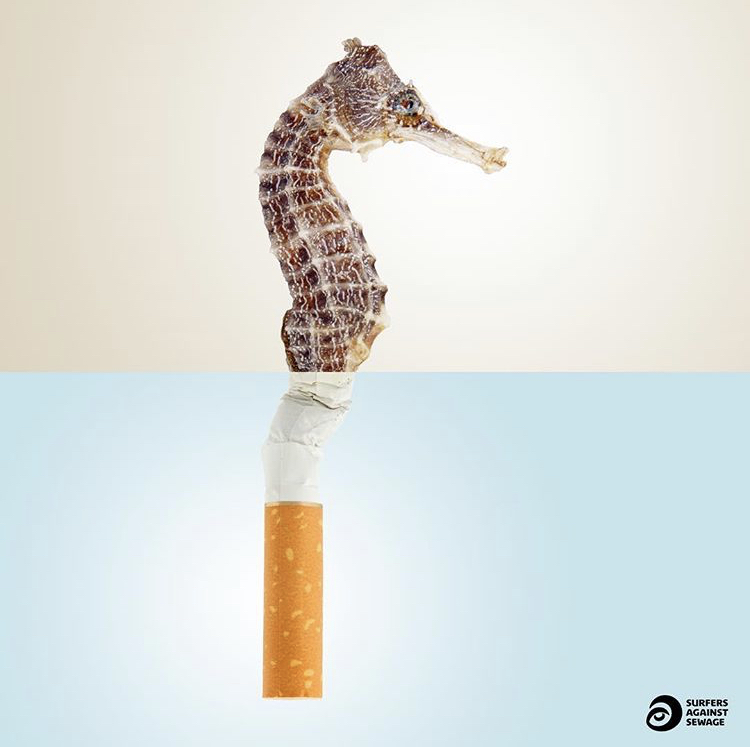
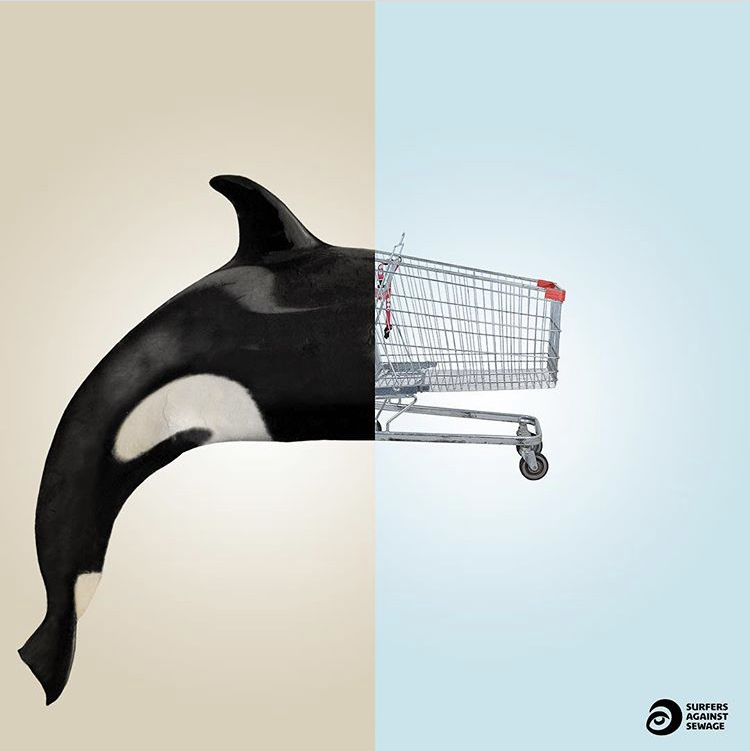
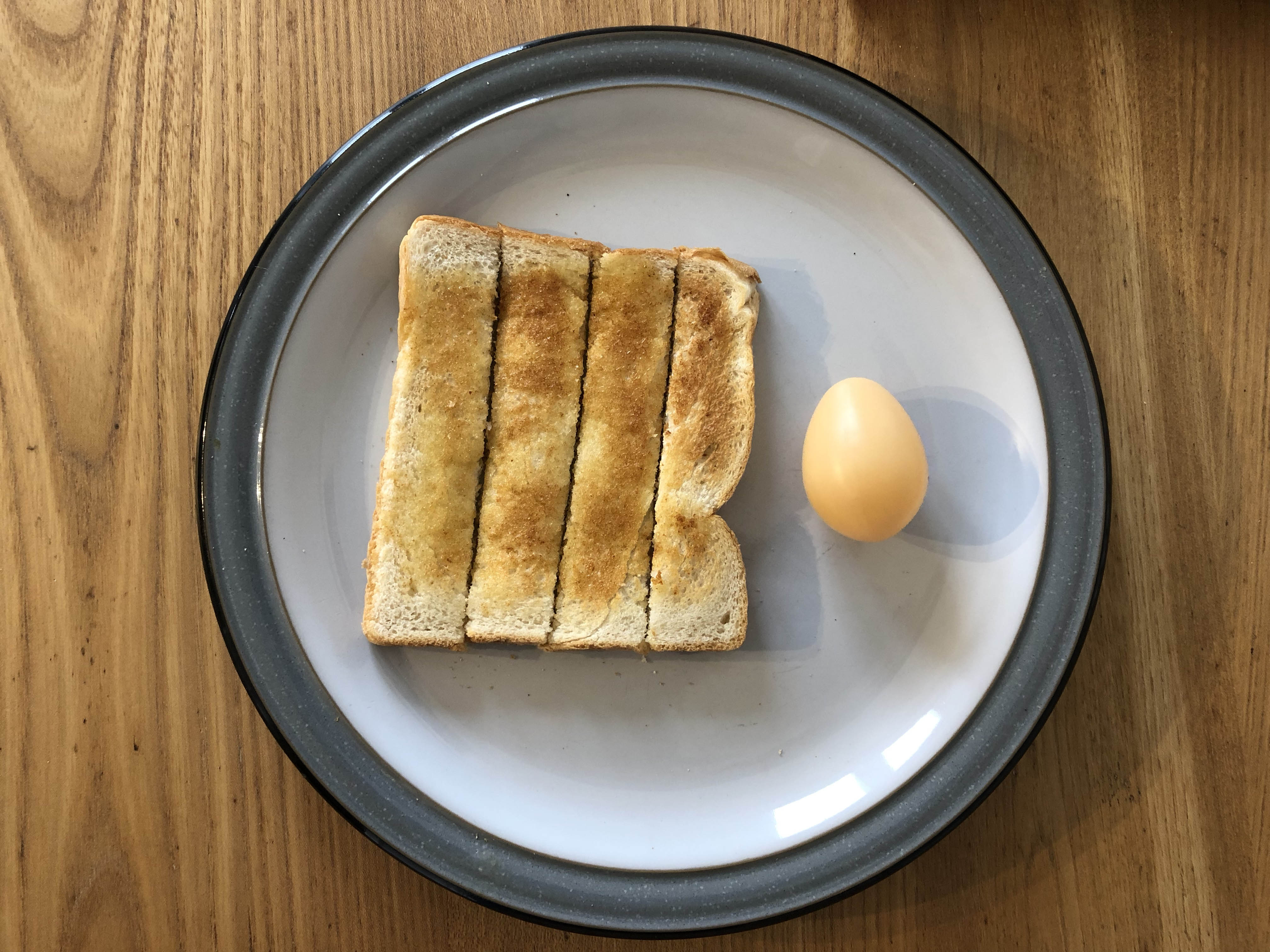
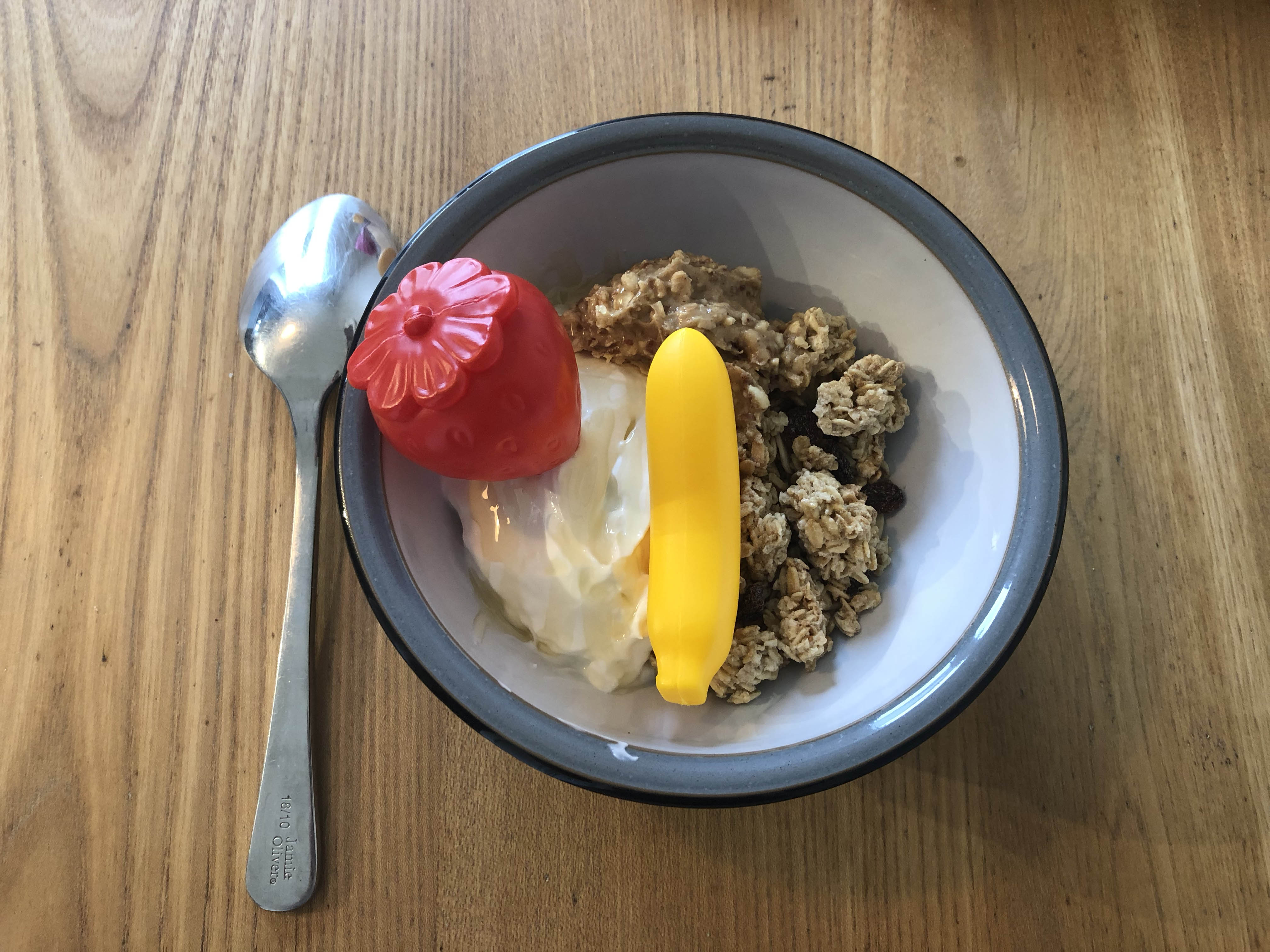
I had asked a friend to borrow some plastic food that I could photograph, either on the beach on in the kitchen. I really wanted to drive home the idea of plastic entering our food chain, while the above images have an impact I feel that the message here is about marine life becoming tangled up in our plastic waste. I think that the use of data in my design will drive home the message but I need to do this in a way that the audience can visualise and not become lost in the vast numbers that surround plastic pollution. Before I had changed to photograph the plastic foods I used some very poor, low-resolution images from google ( = 1 sin, I know ) just to give me an idea of what my idea could look like. In these examples I had taken the above as inspiration, taking their focus on the image and allowing the message to be interpreted by the audience. I am not sure that the message is completely clear but with some more type or context this could be succsessful. It was not my initial idea but it had allowed me to think about what could be produced or even composition.


Using plastic food objects I was able to visualise my initial idea. I think that these examples would be more successful with better lighting and on a white background so that I am able to replicate similar backgrounds to that of the Surfers Against Sewage images. I think that these ideas work if you understand the approach I am coming from but do not necessarily communicate the idea I wanted to get across. This could be due to the plastic food and their unambiguous state or it could be due to the image needing some form of text or strapline to hold the whole thing together.
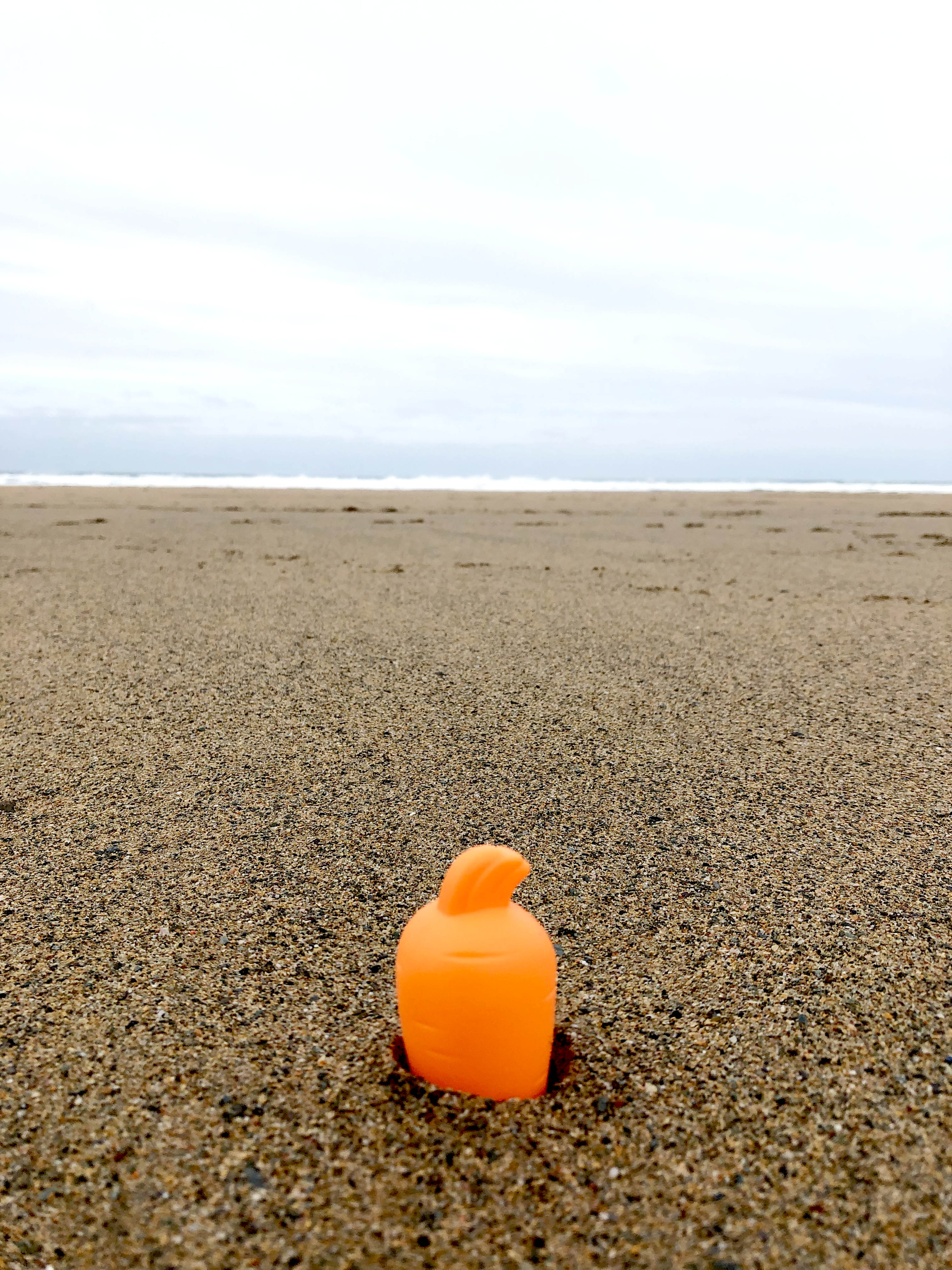
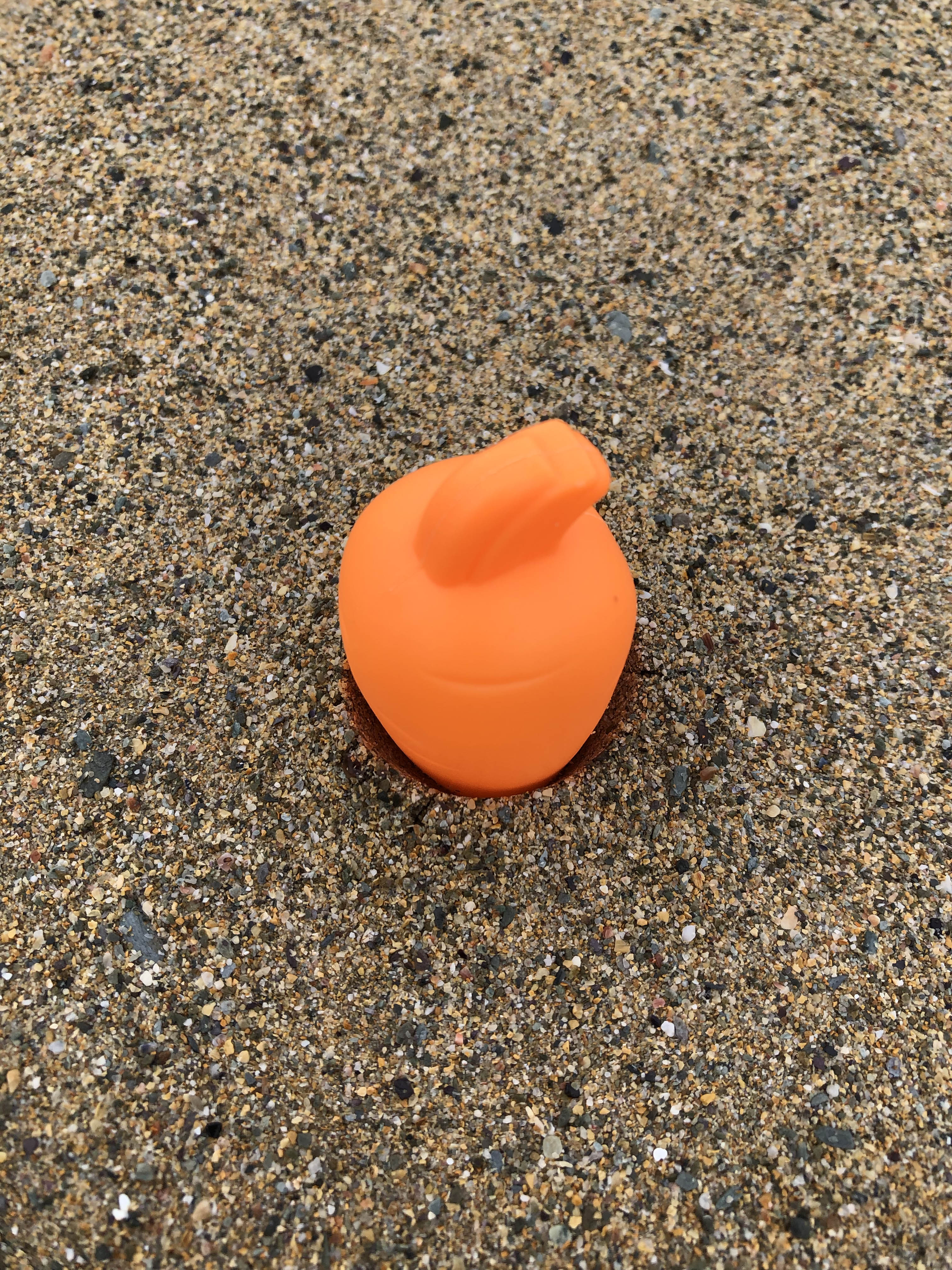
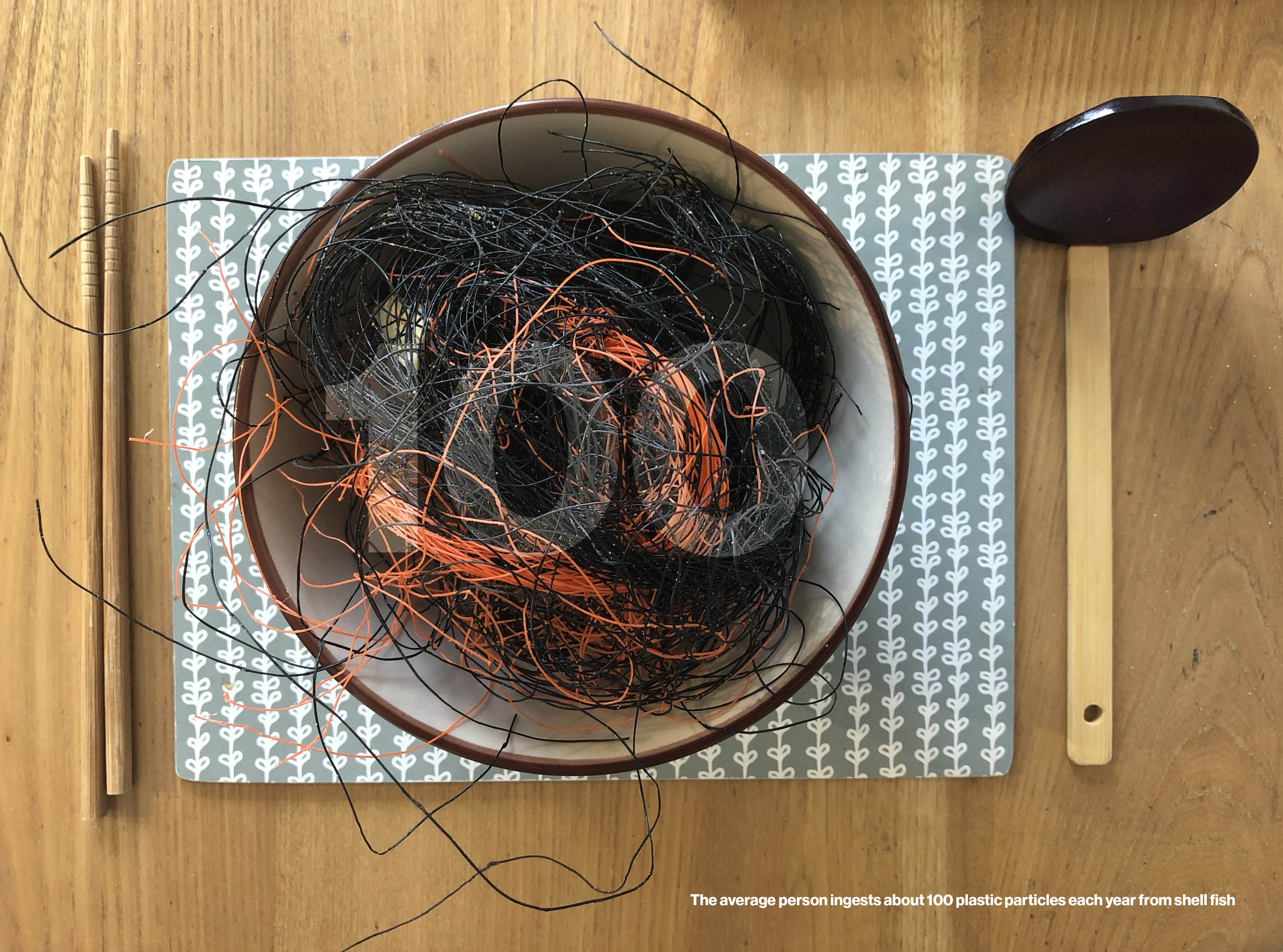
I took a walk onto the beach and started to collect plastic and document a few ideas. As discussed with Joe this week my work or my approach benefits from something that is less digital and I seem to work best when I can manipulate or develop an idea hands on before turning to the digital and I feel that this week is no exception. My initial ideas have continued with the food approach, I began to think about marine life eating the plastic and less about the consequence of this, in that we would eventually eat the plastic. I began to think about asking the question, would you eat this? or reversing the outlook and aiming to engage the audience with a question about the consumption of the material. I brought home some materials and it was mainly fishing nets. I began to take shots of the material in a ramen bowl with chop sticks. The noodle like tangle of string sat in the bowl like a very unappatising mess.
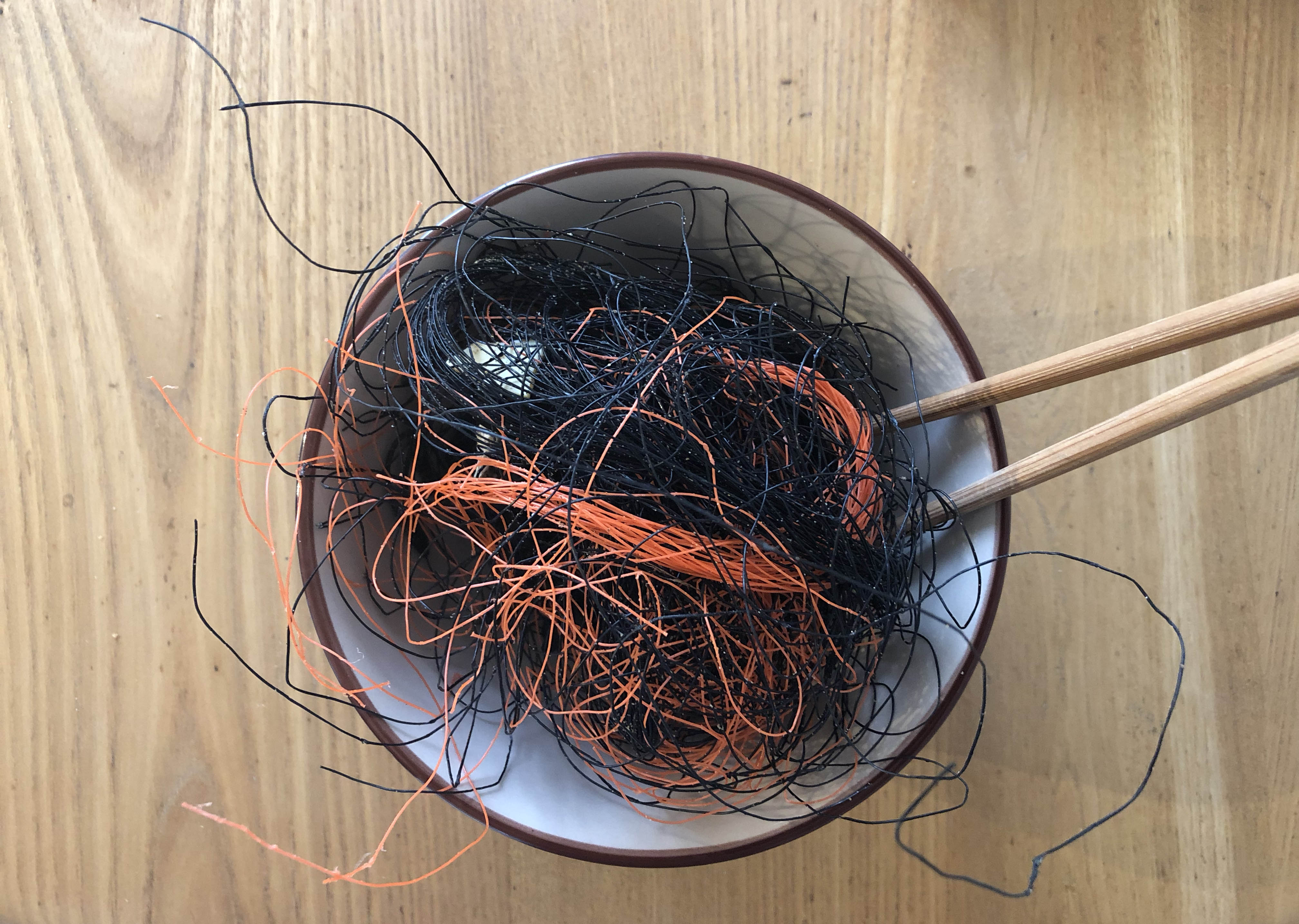
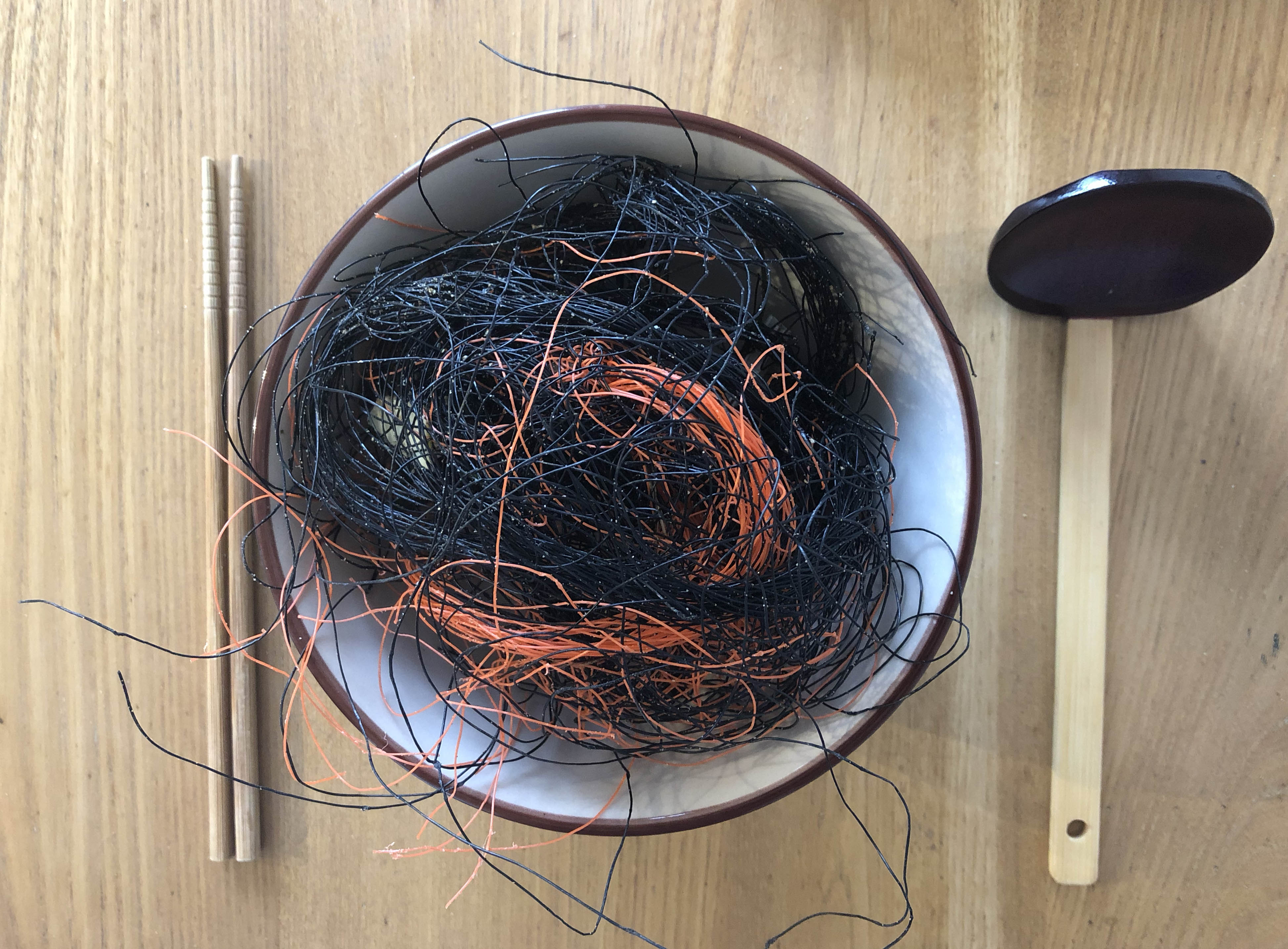
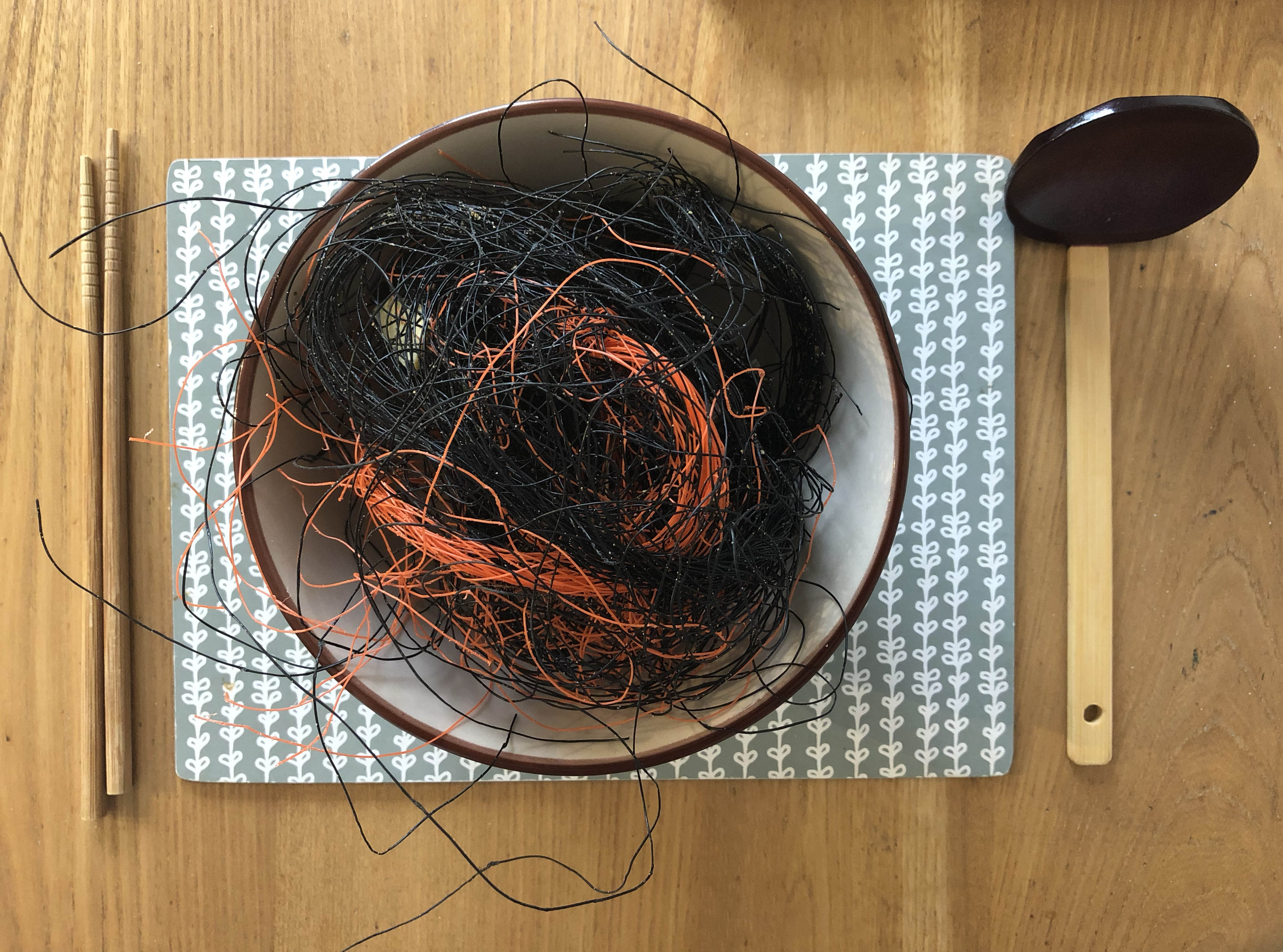
Still not entirely happy with these outcomes, I like the idea but felt that I could continue to push the idea further. So I started to draw. I like this idea and believe that this could be an engageing project to get kids, students, families involved with a 2 minuite beach clean, and create drawings, illustrations using their findings. I think that it is a great way to encourage people to get out there and see the impacts that actions are having on the beaches. Once you see, and take a closer look at what is on the beach it certanly changes your mindset and approach to recycling and the impact that one person can have.
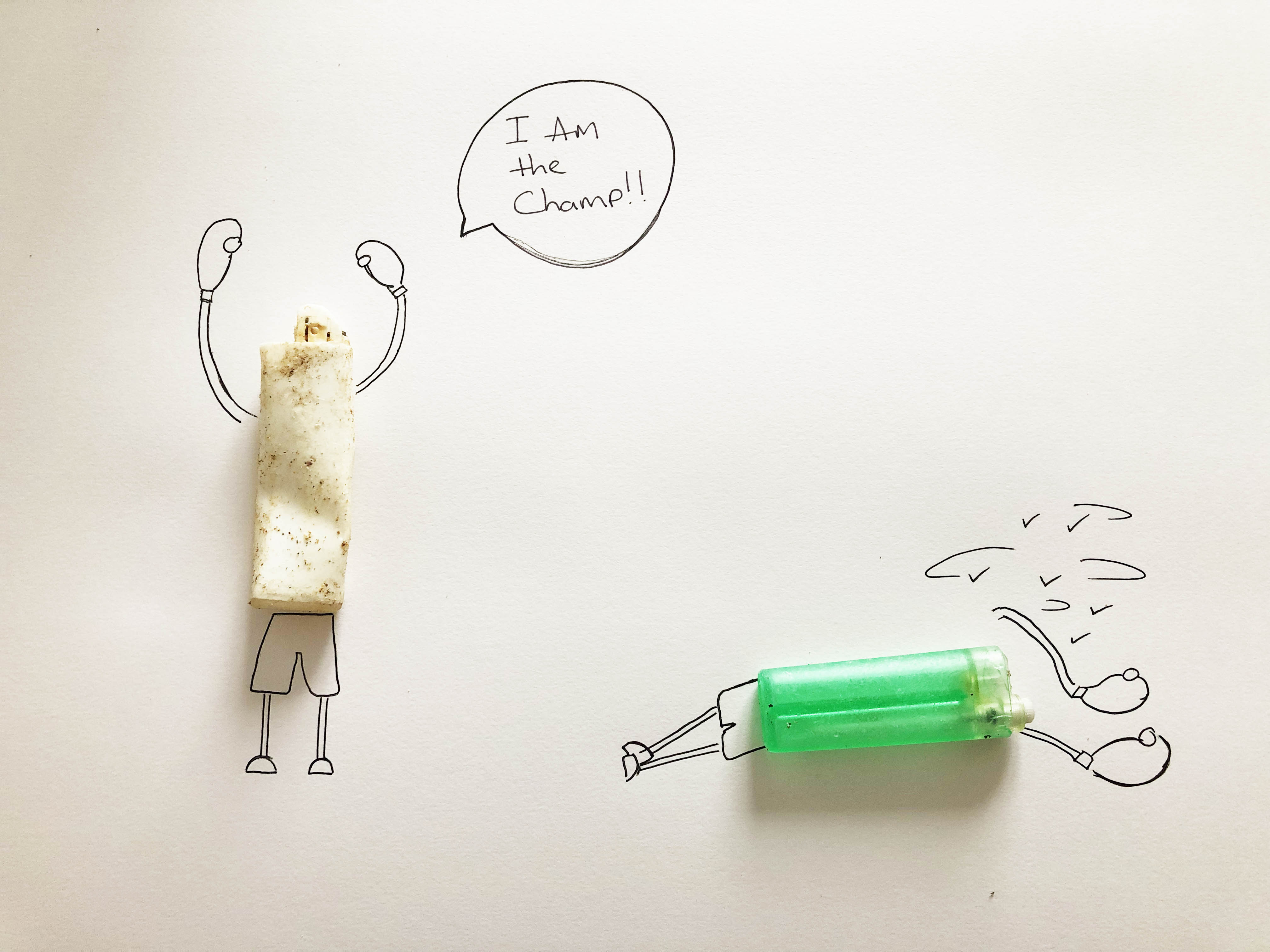
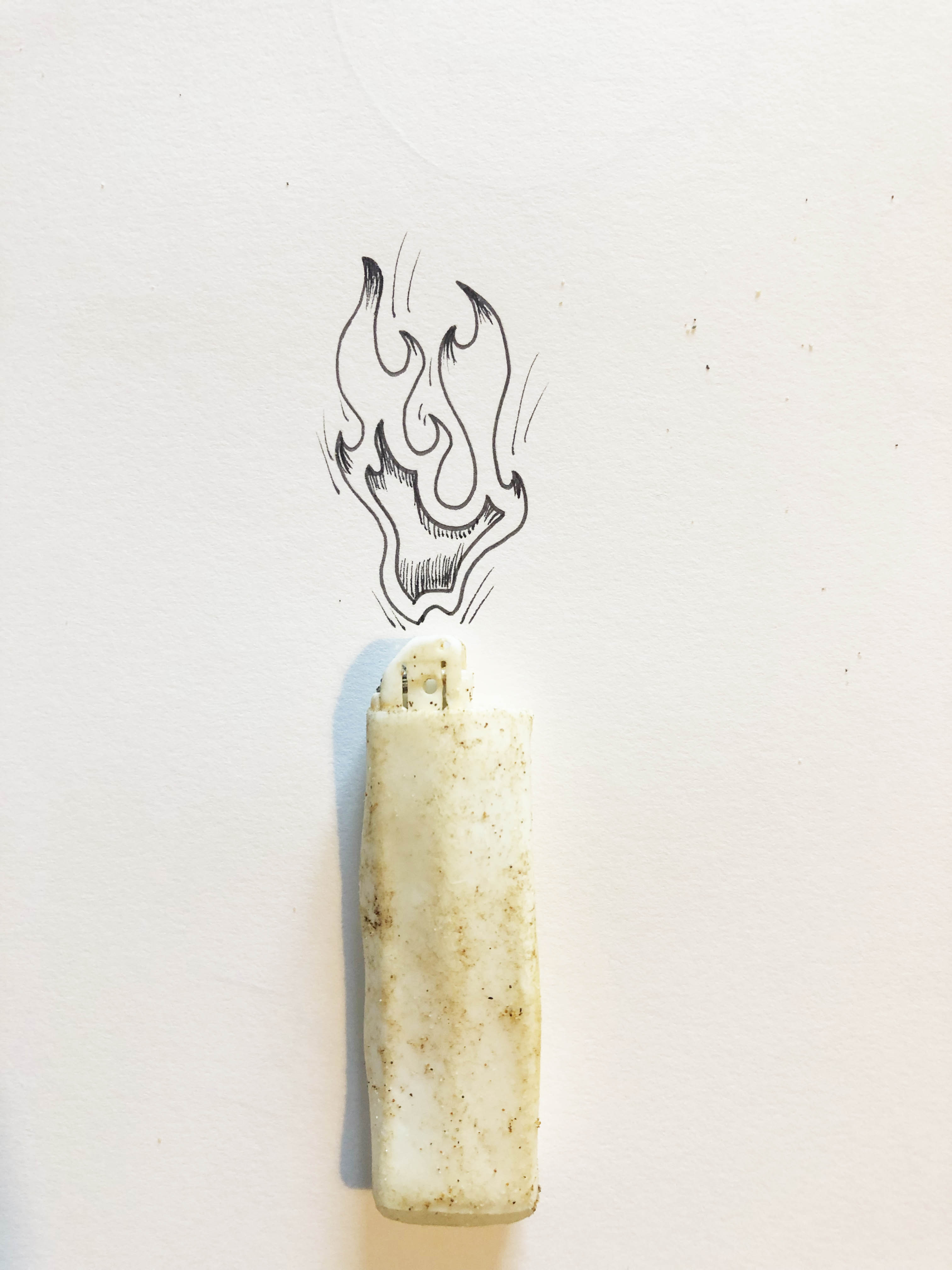
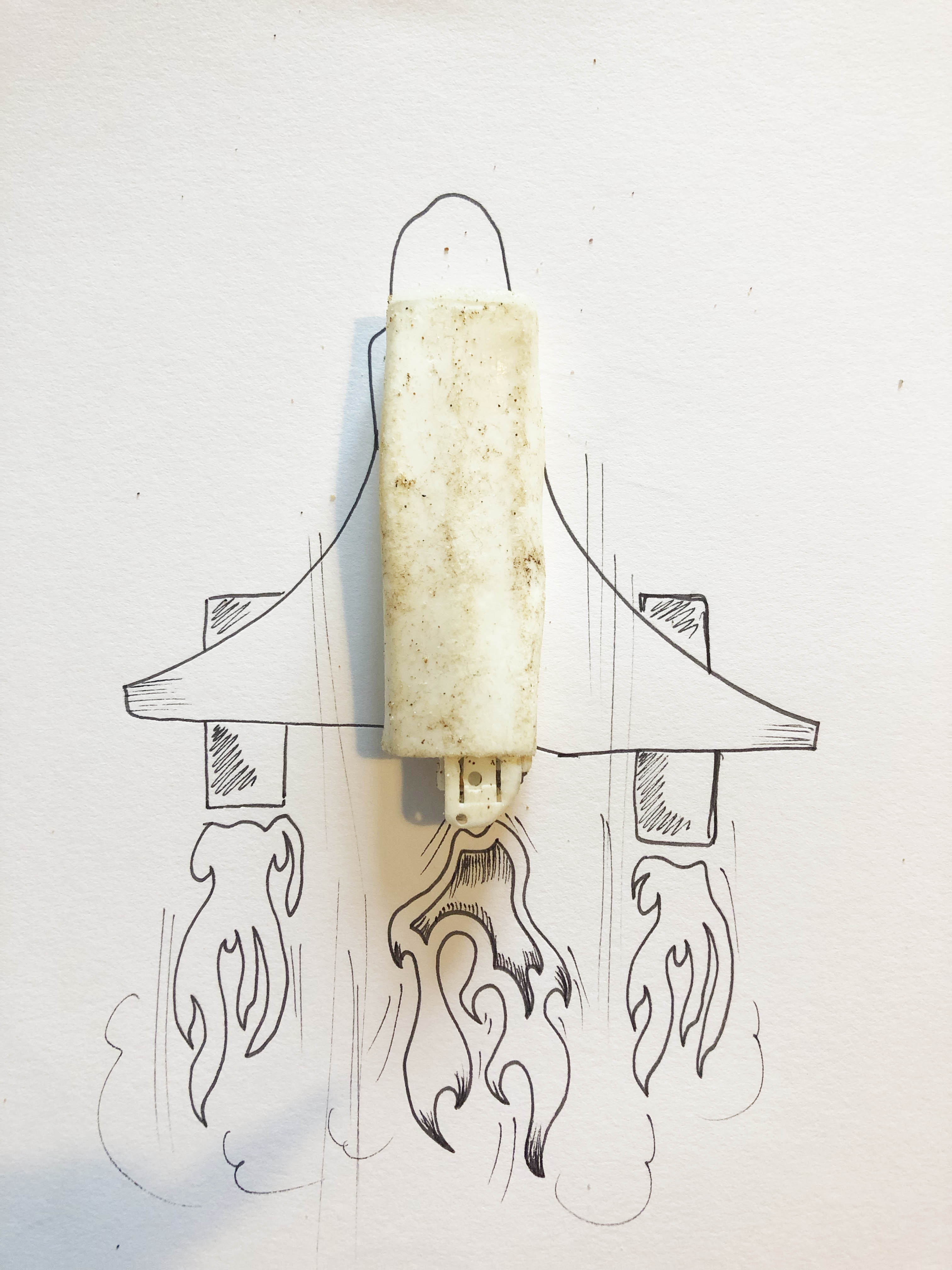
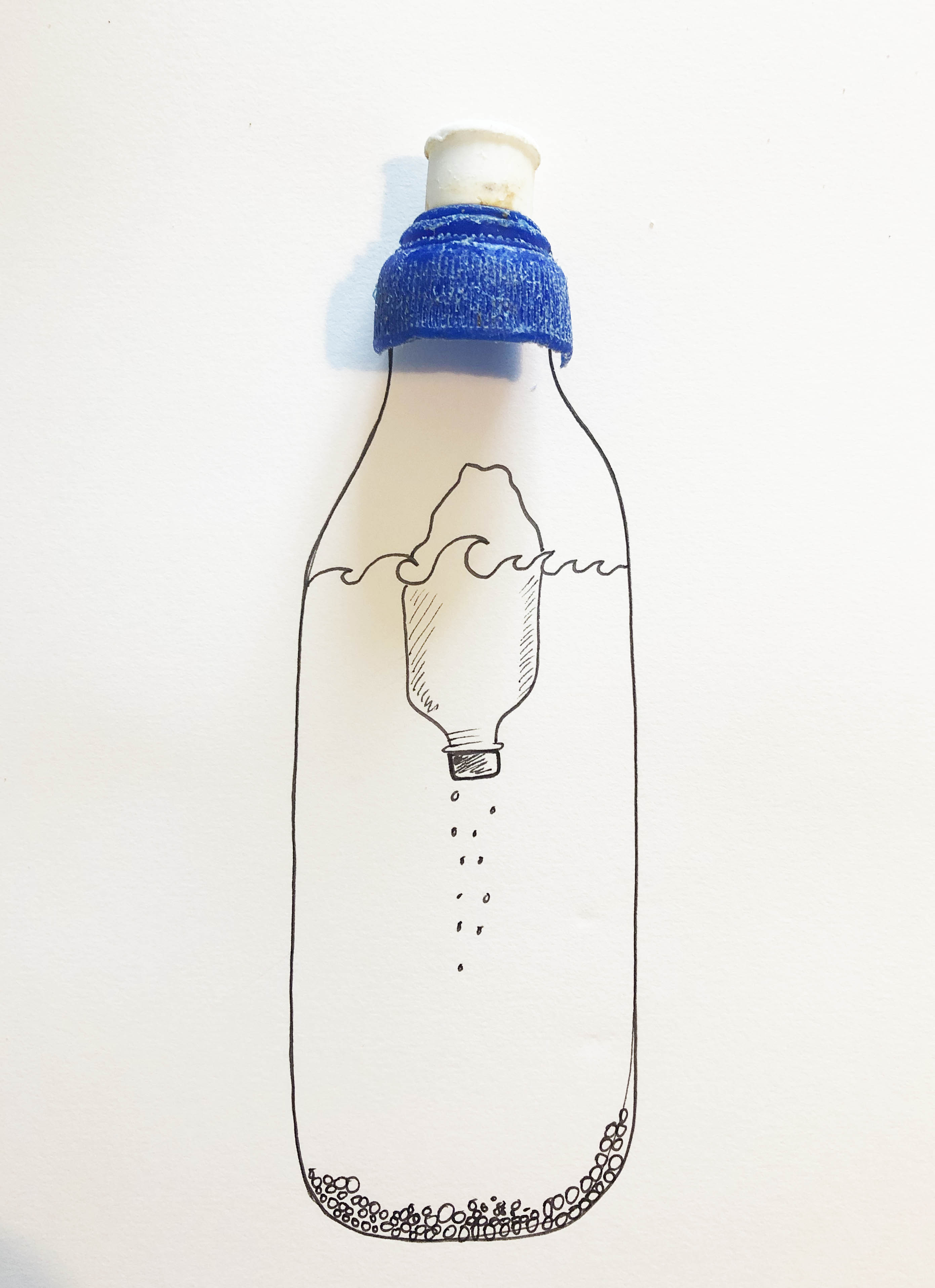
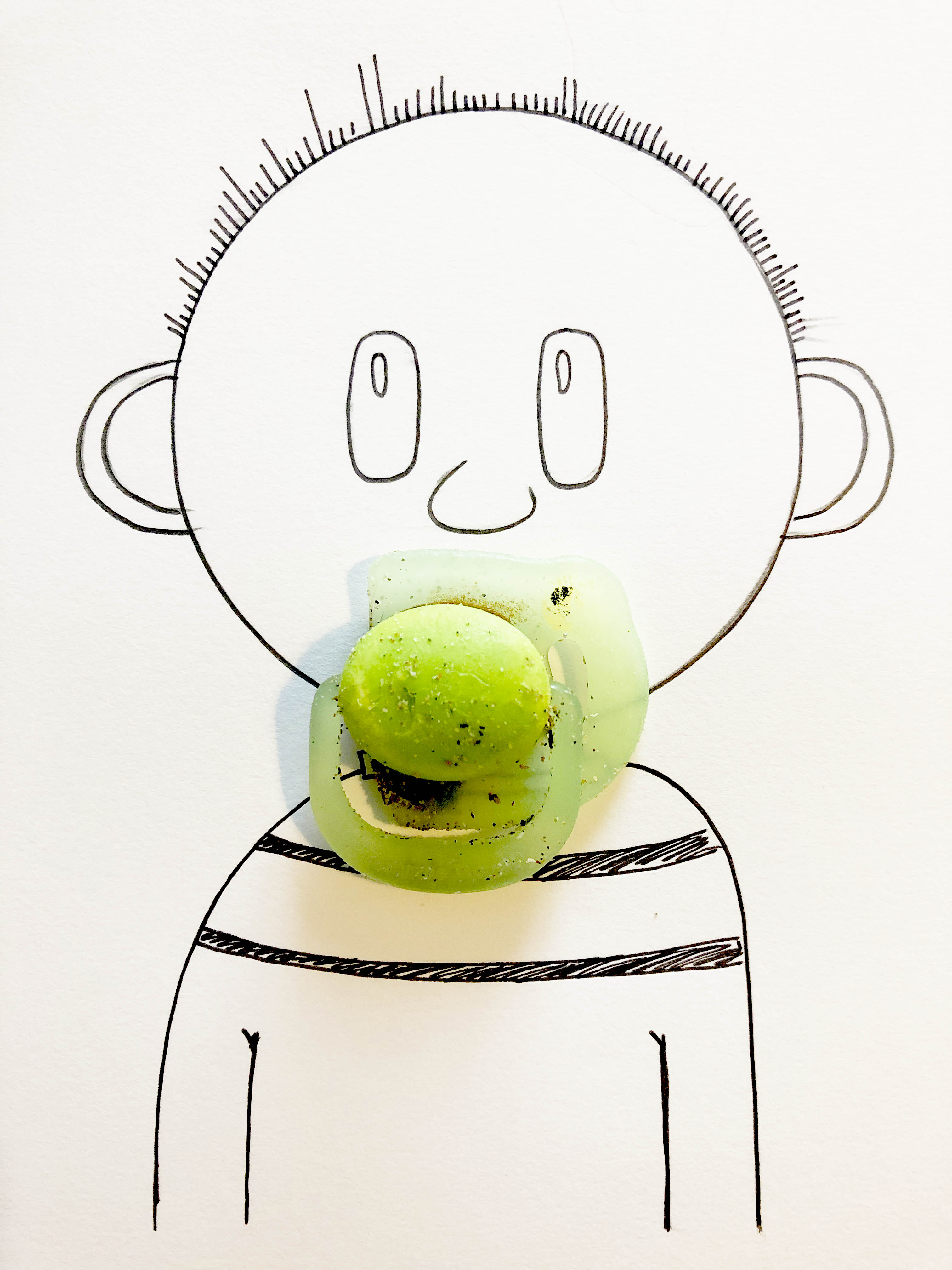
This week I have struggled to really condense my research and focus in on what is important. I have stumbled across more material through podcasts, blogs, ted talks, political papers, the works. The data and statistics around this subject are astronomical and can be very difficult to comprehend. This could be part of the reason why I have not used this so far in my work this week but is certainly something that I aim to do. I want to develop the photographs / found objects maybe scan them in and produce some digital illustrations similar to the ones above. I think that then I am able to add the data a strapline or something to add context to the work.
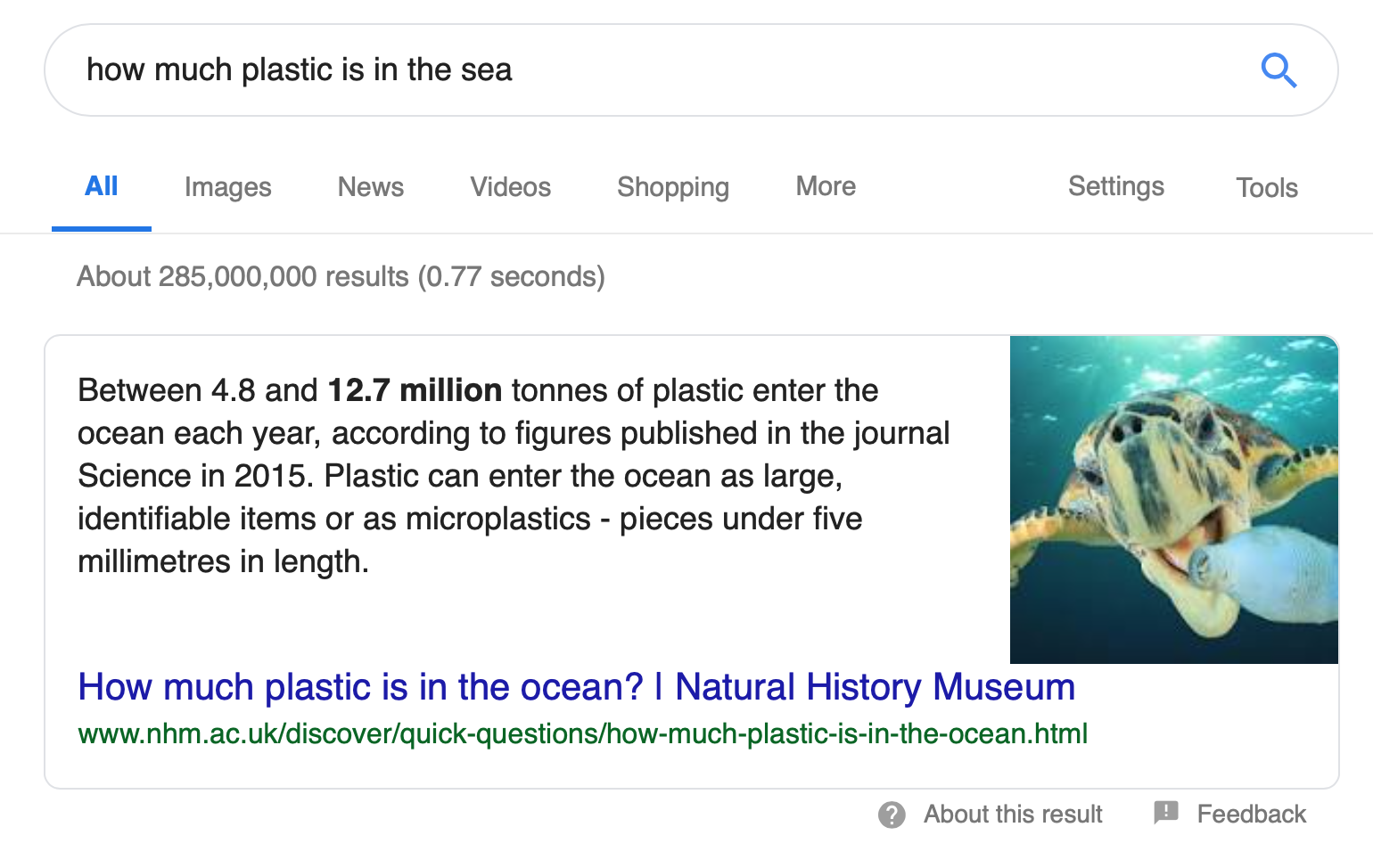
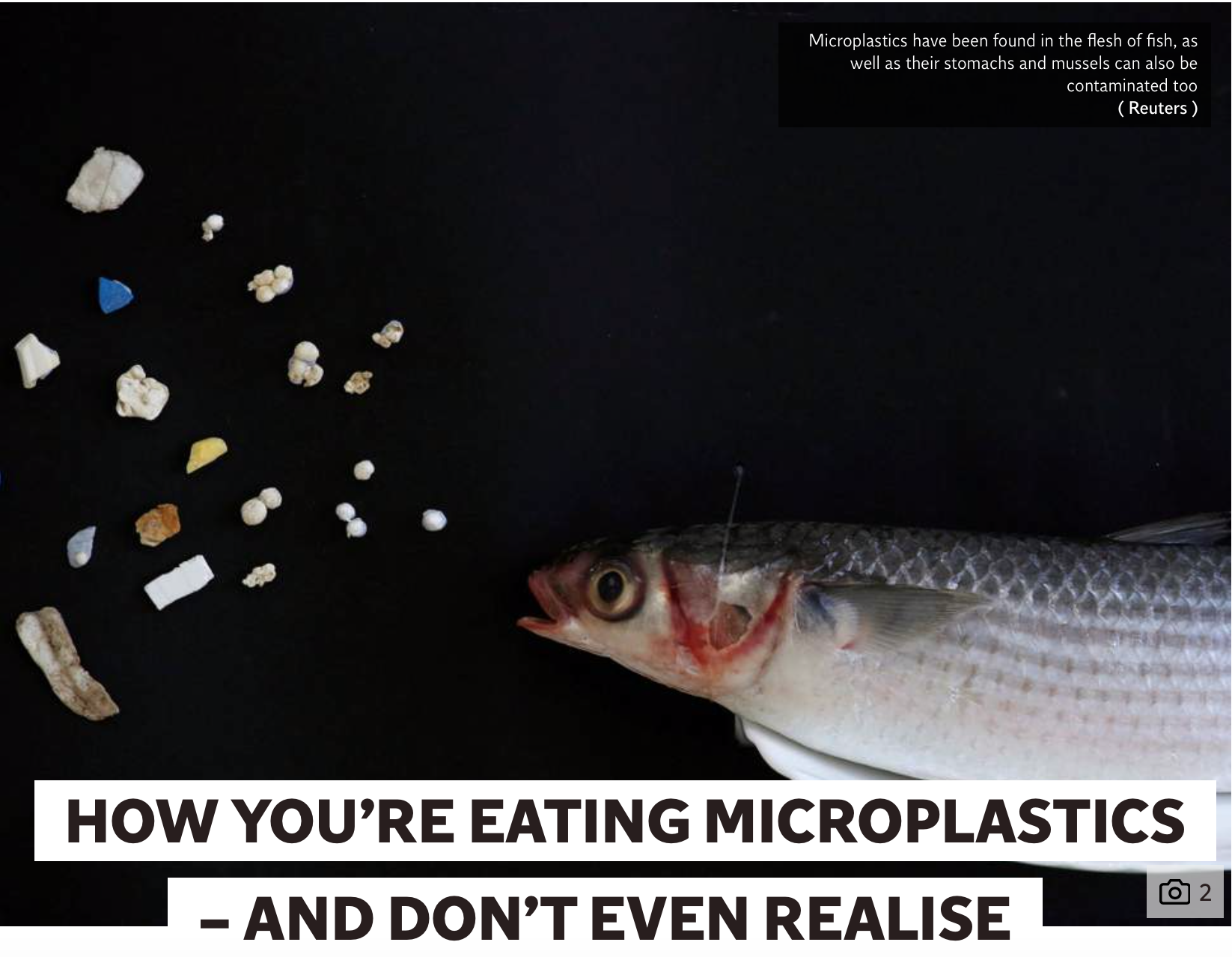
I needed statistics and I needed it to be something that wouldn’t scare people and make them never want to eat again. There is data everywhere and so much of it is overwhelming, millions of microplastics are even in their air and we can consume these without even knowing it. I decided to focus on the amount of plastic that is in the ocean, and compare that with objects that I have used in my illustrations. Speaking with Stuart today made me realise that I am building more of a campaign with the engagement I am aiming for. I understand this and think that I could develop something that is more of a response to the data, maybe I had lost sight of this and should redirect my work to take the visual language I have developed using these illustrations to create something that is less of a campaign.
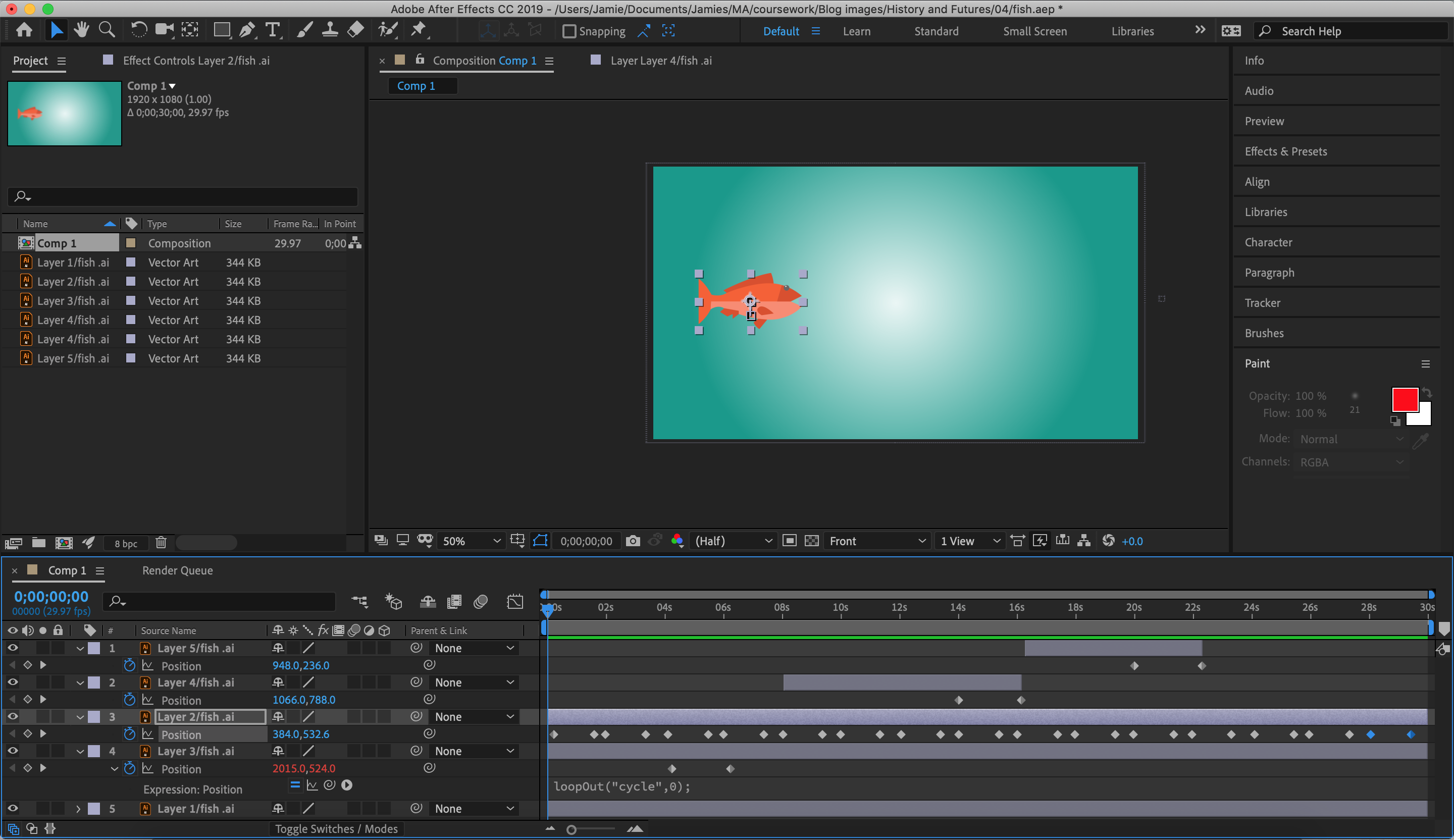
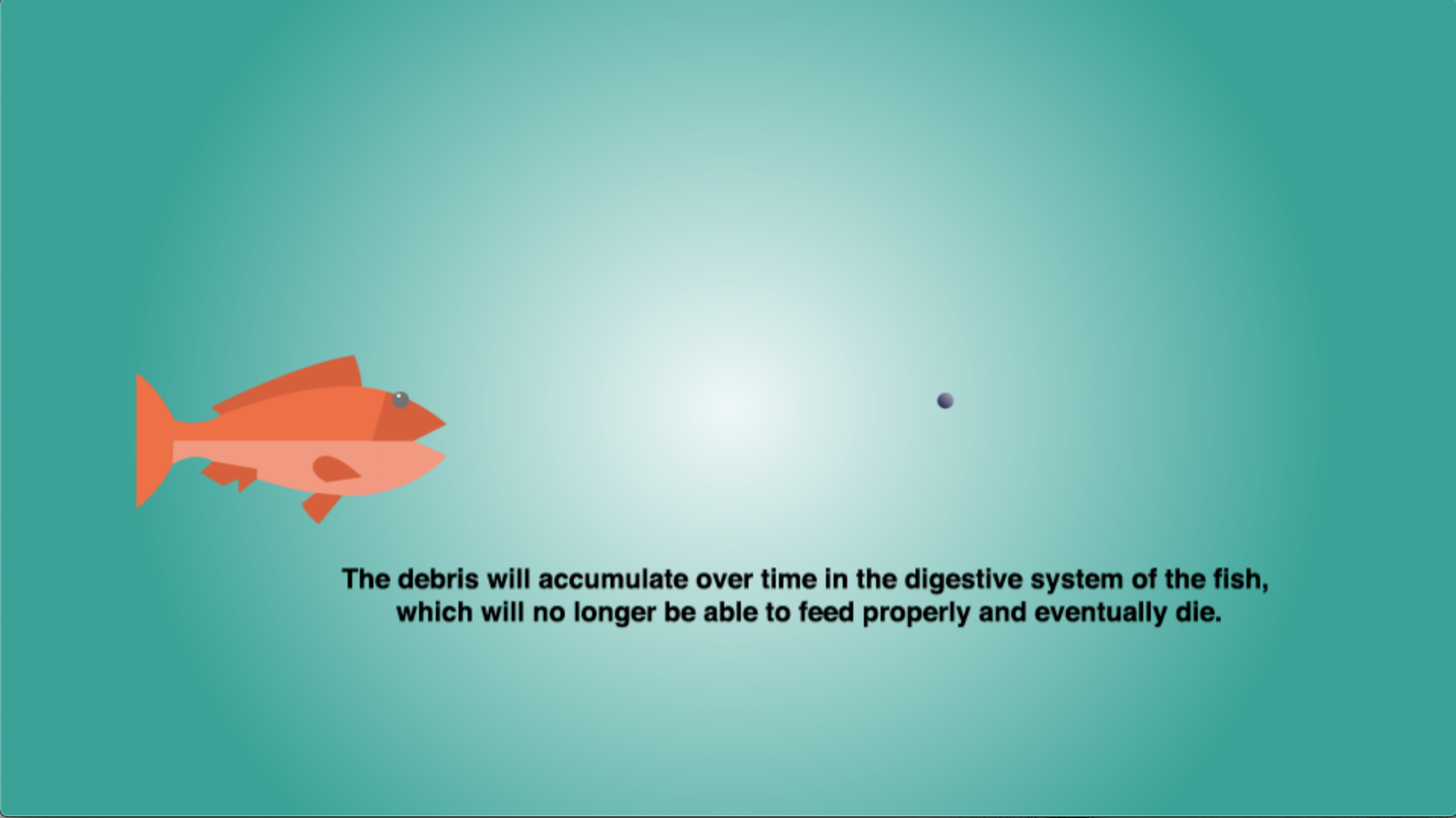
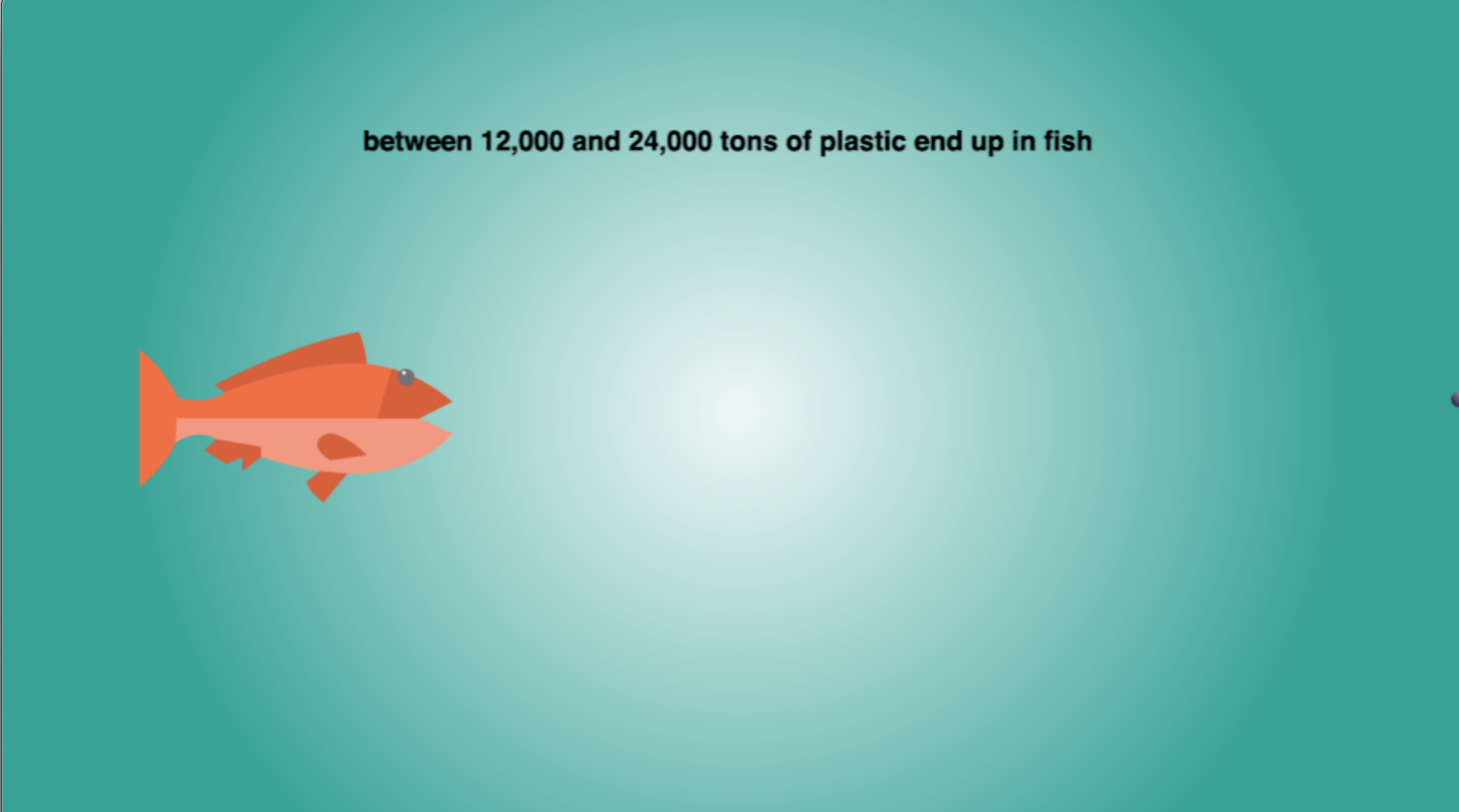
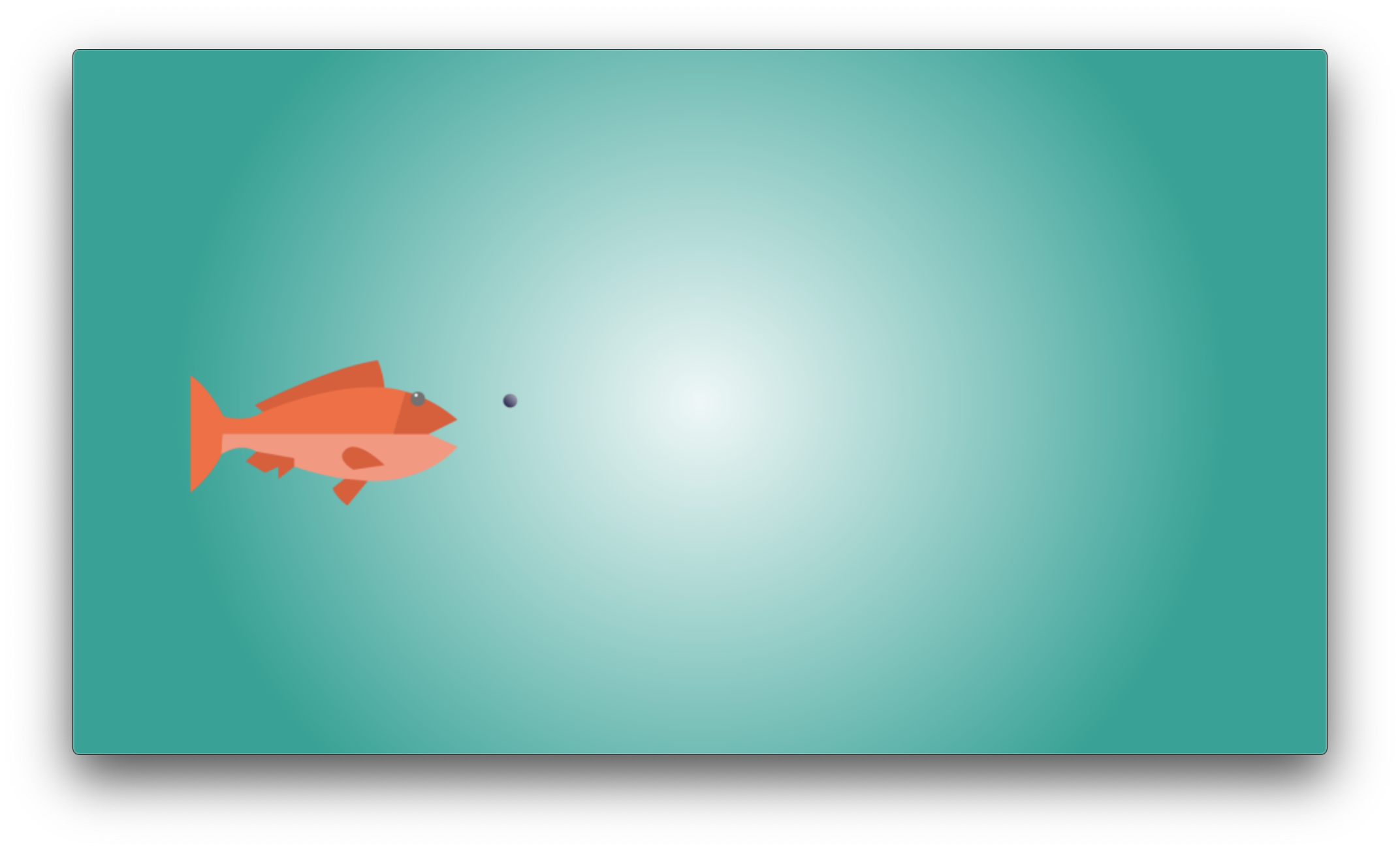
While I had enjoyed the process of making this illustration the feedback from peers and Joe was that the photographs and illustrations have more of an impact and even without the type they portray the essence of the message clearer than the animation. From this feedback I will aim to develop more illustrative outcomes, I could combine the illustrative and the photographic by illustrating a bowl and the chopsticks and overlaying this with the photograph or scan of a the fishing line. This would I feel really get across the essance of my data. I could then add some digital type.

 Pixels and Serifs.